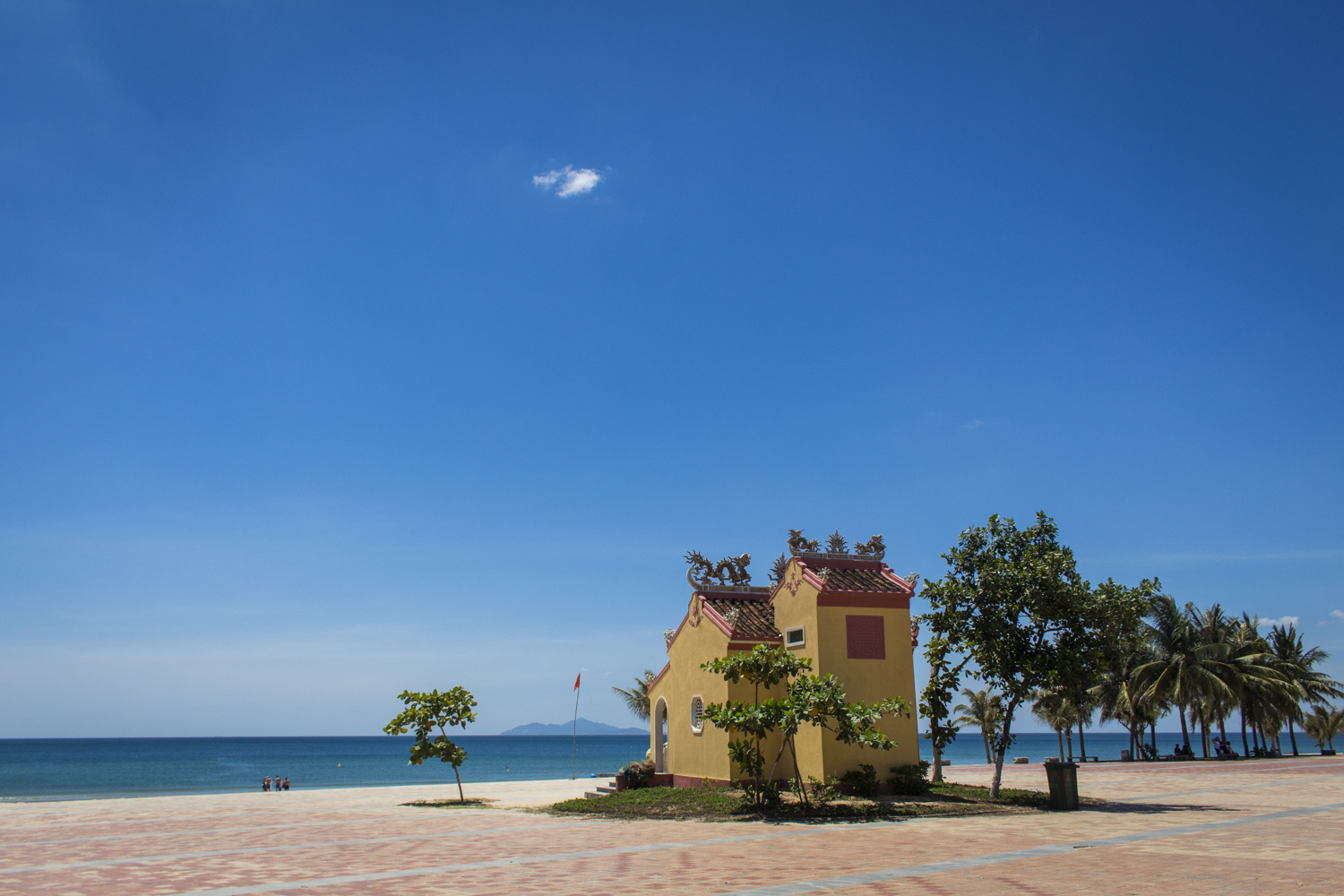
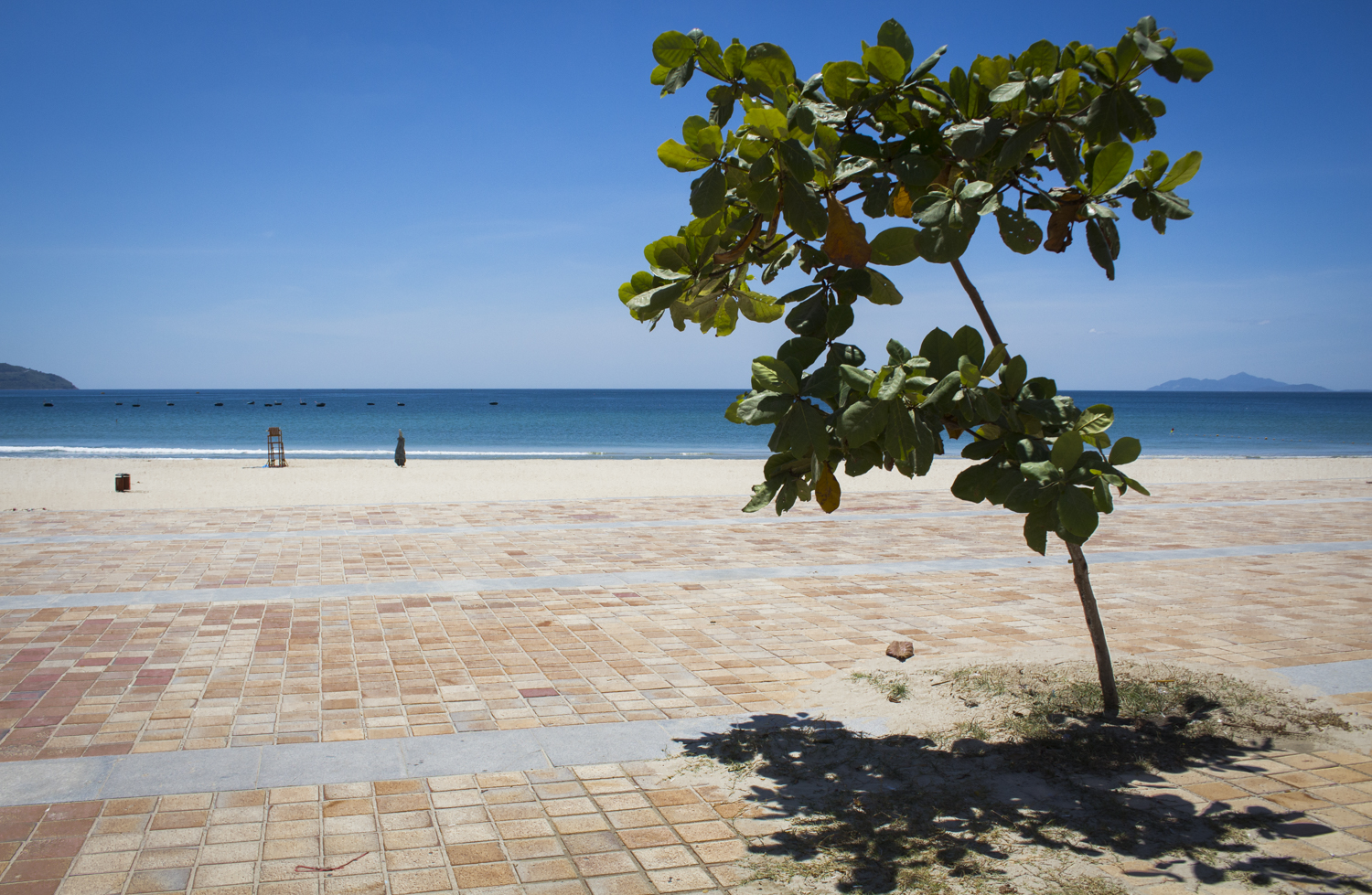
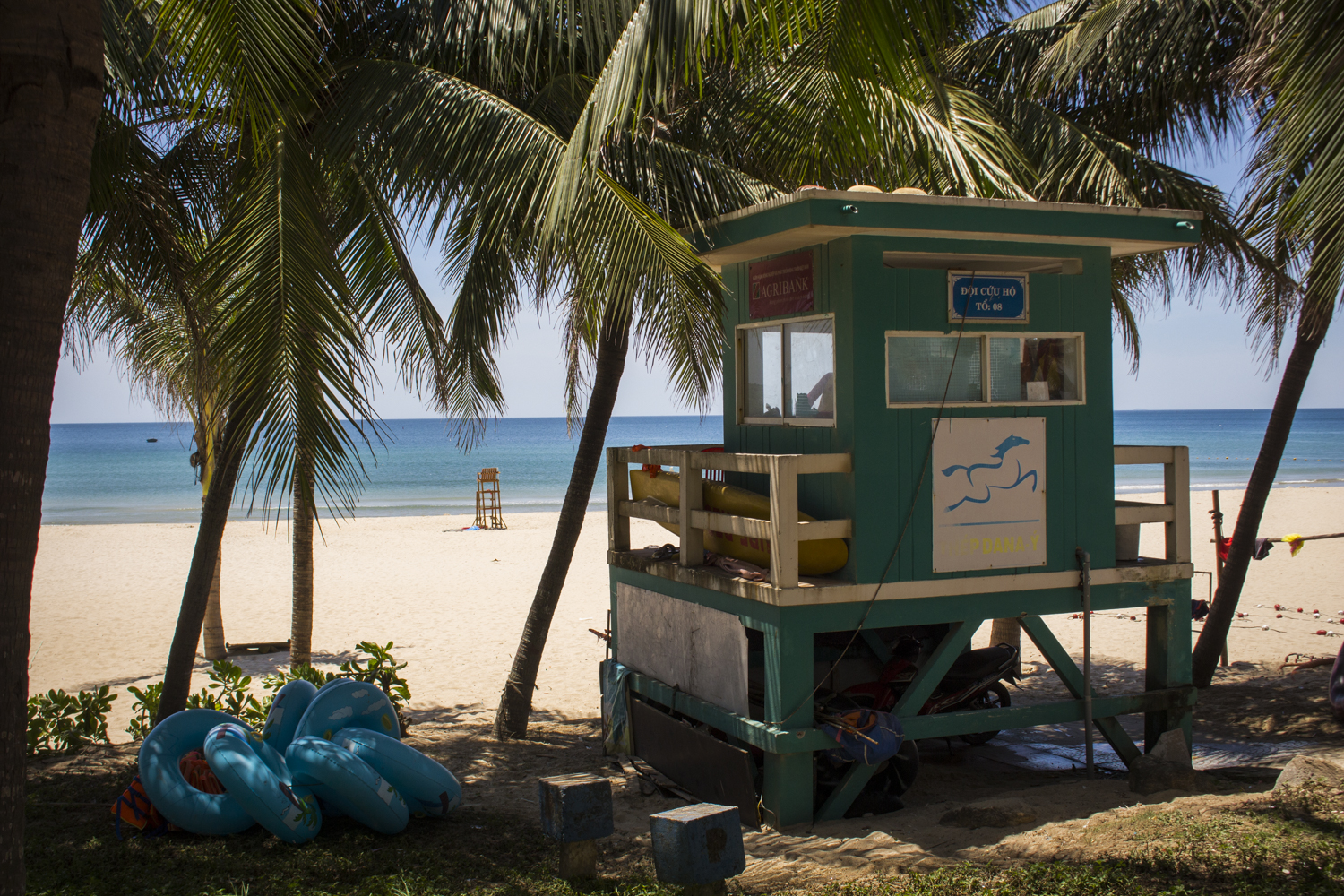
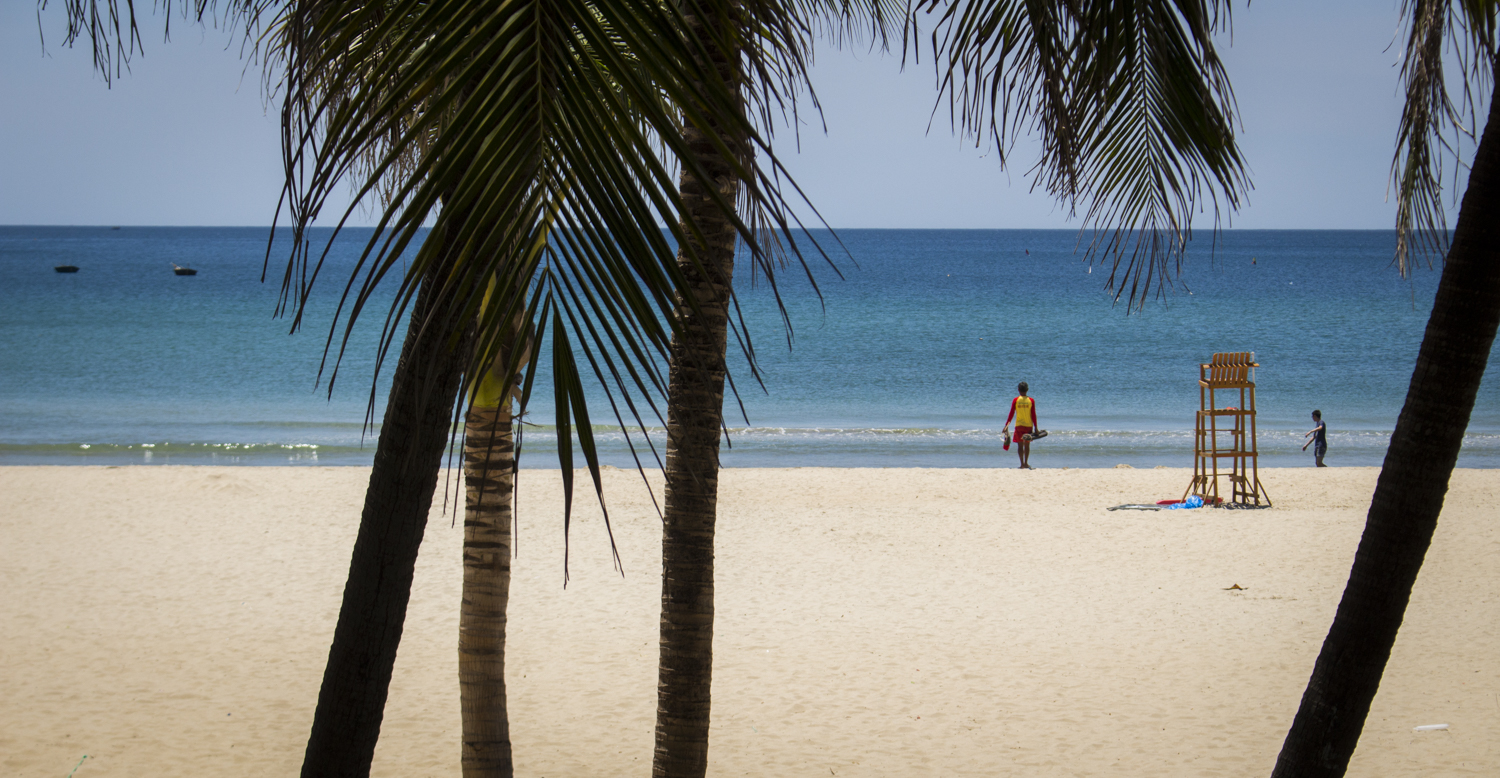
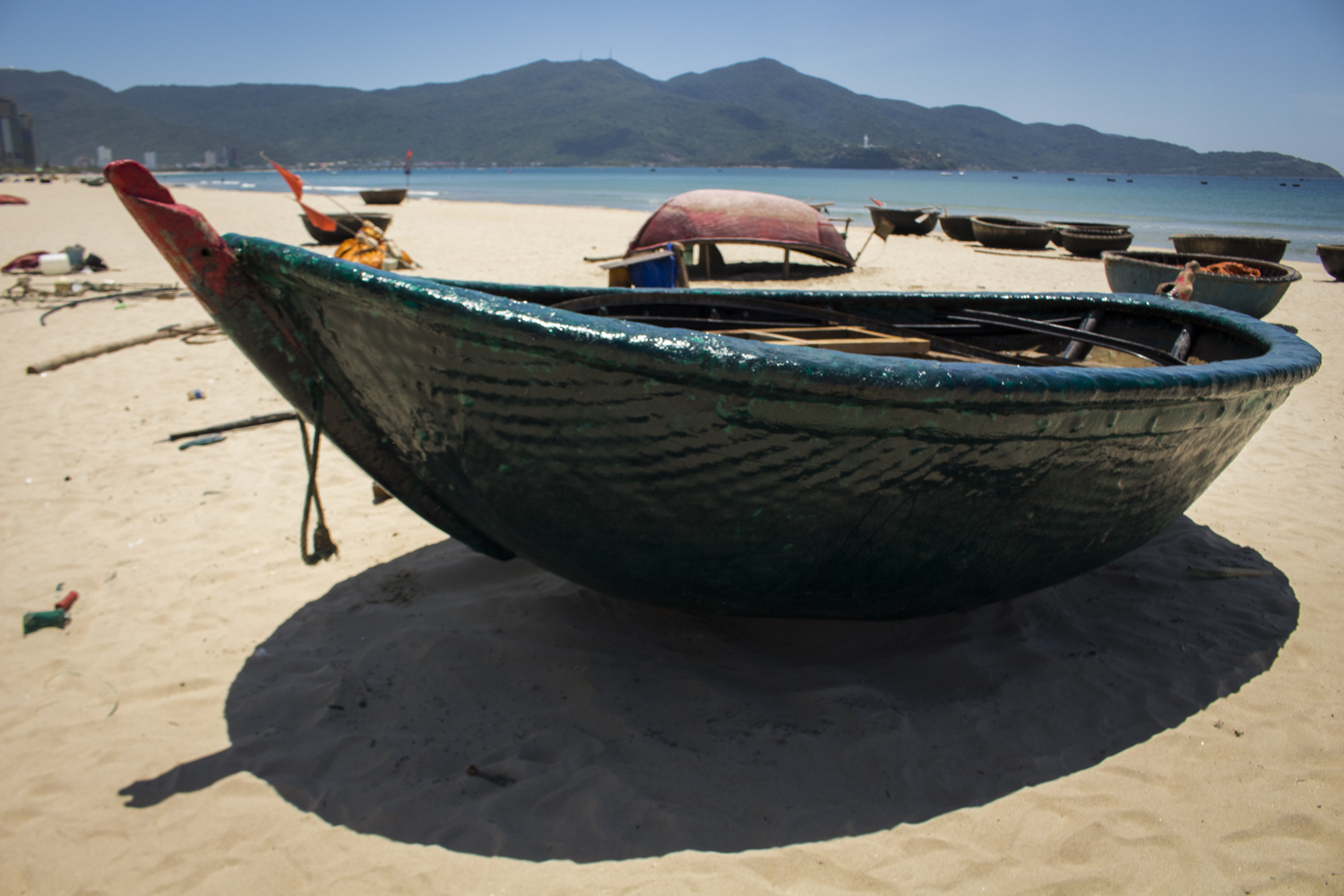
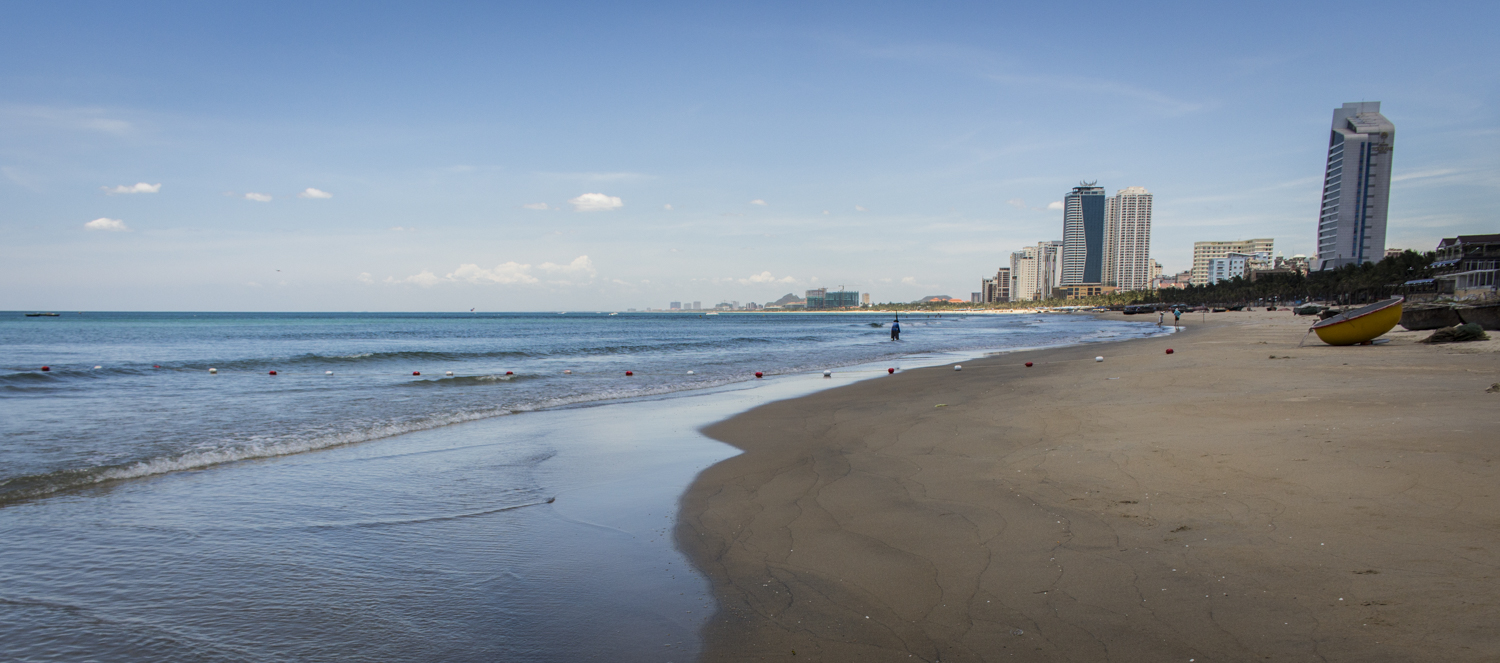
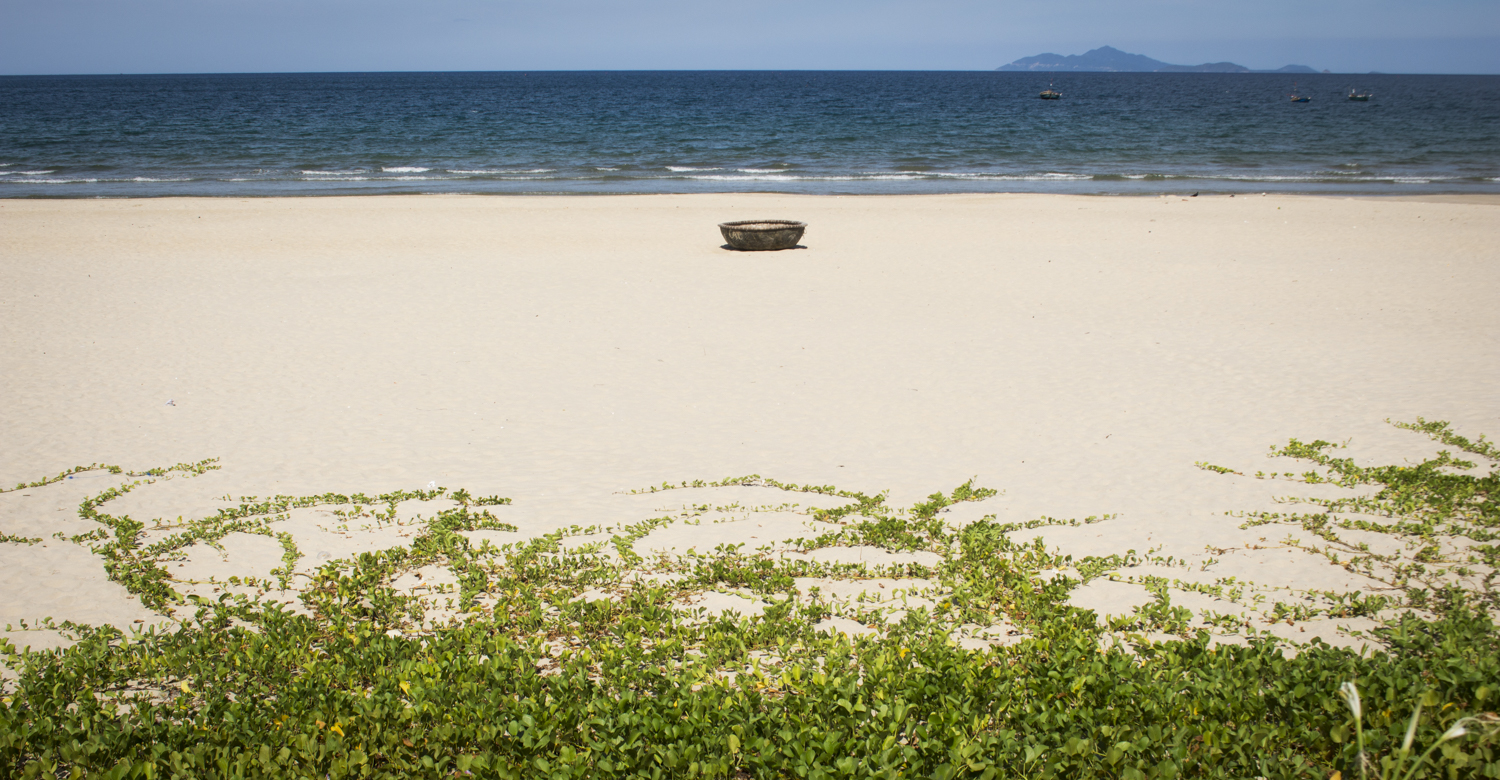
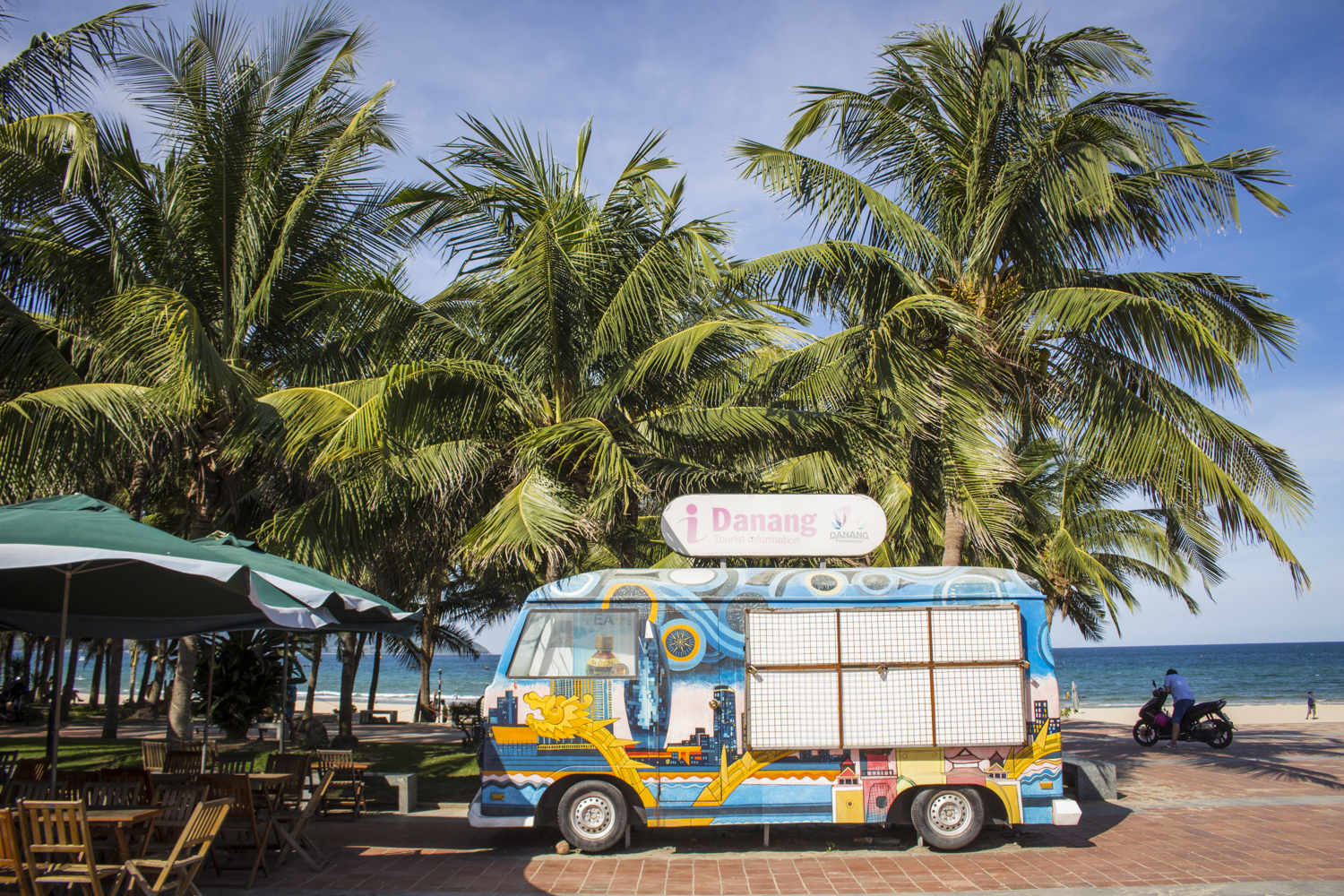
It seemed like a ghost town after the bustle of HCMC, stretches of pedestrianless streets (under a ferocious early-afternoon sun mind you) and significantly less traffic but the air was breathable again. This was the back half of my trip. I cabbed it to my guesthouse, a calm and clean family business a four-minute walk from My Khe beach. I’m not a sun-worshipper, at least not the kind that lies out baking, but this stretch of sand was persuasive. White, wide and clean. How long I’m not sure, between 10 and 30 kilometers depending on whose blog you trust. I jumped in one morning to taste the salt and had a patch of water mostly to myself. It was warm with nothing but sand to stand on. Millions of tiny shells track the length of the beach where the surf has dropped them.
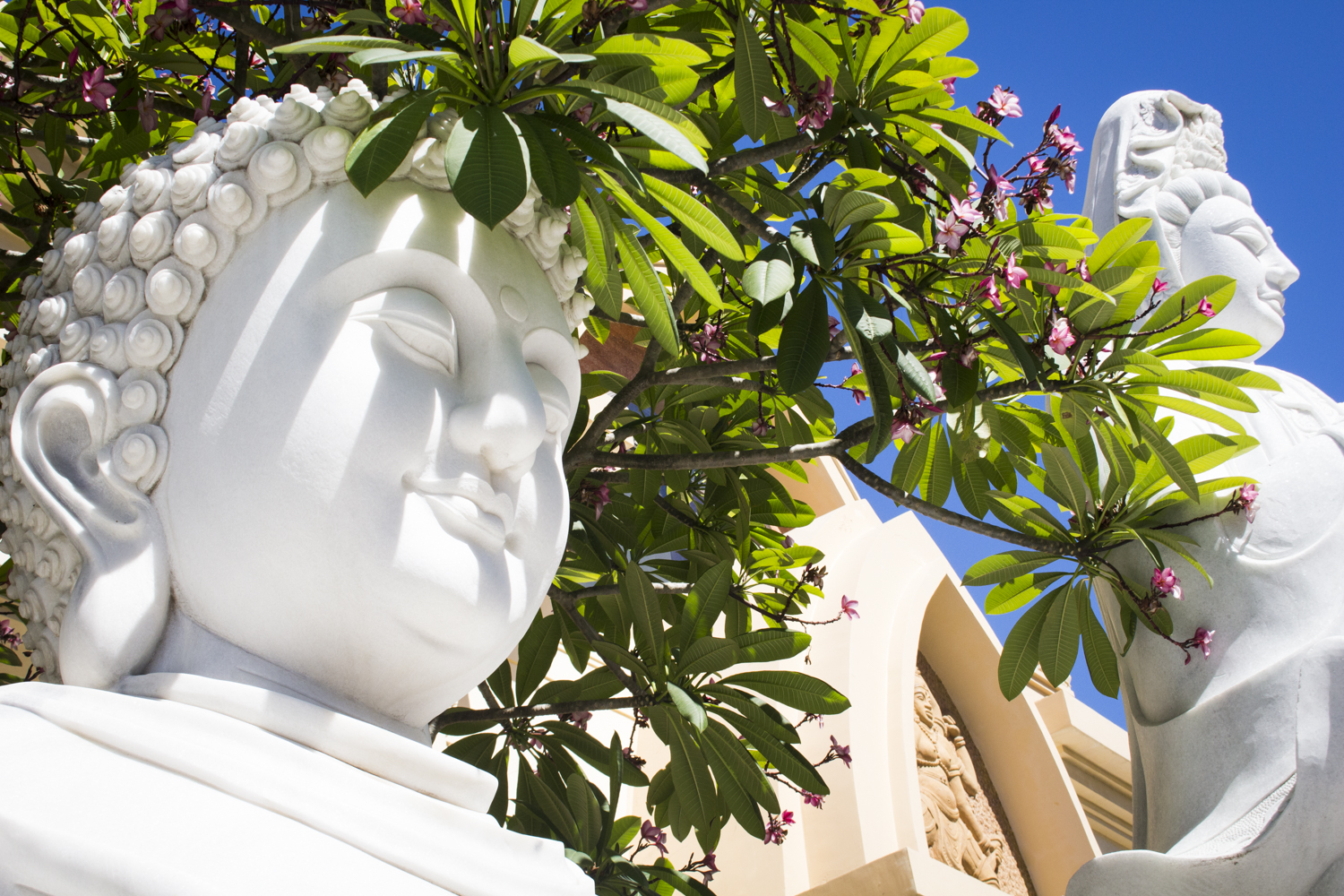
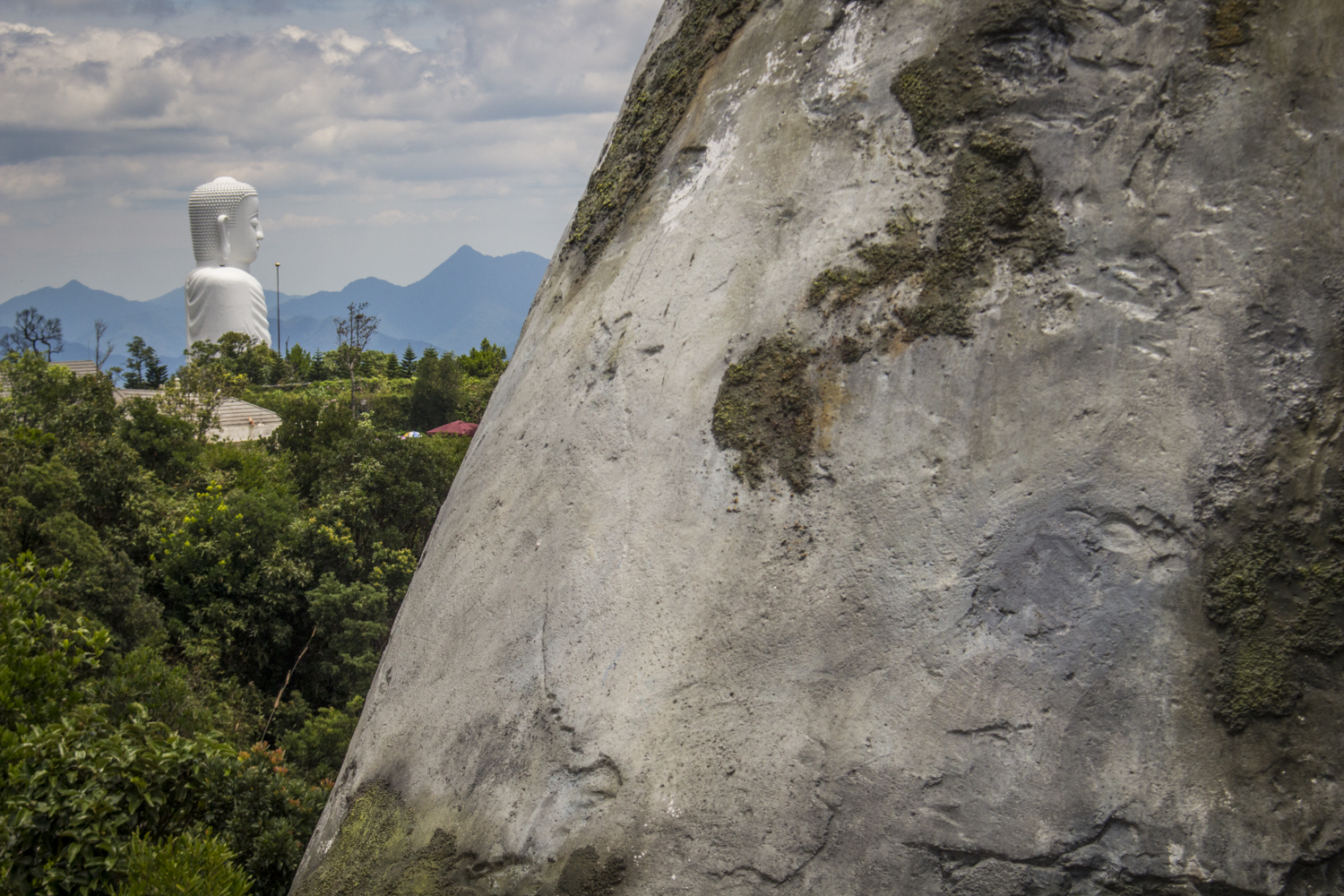
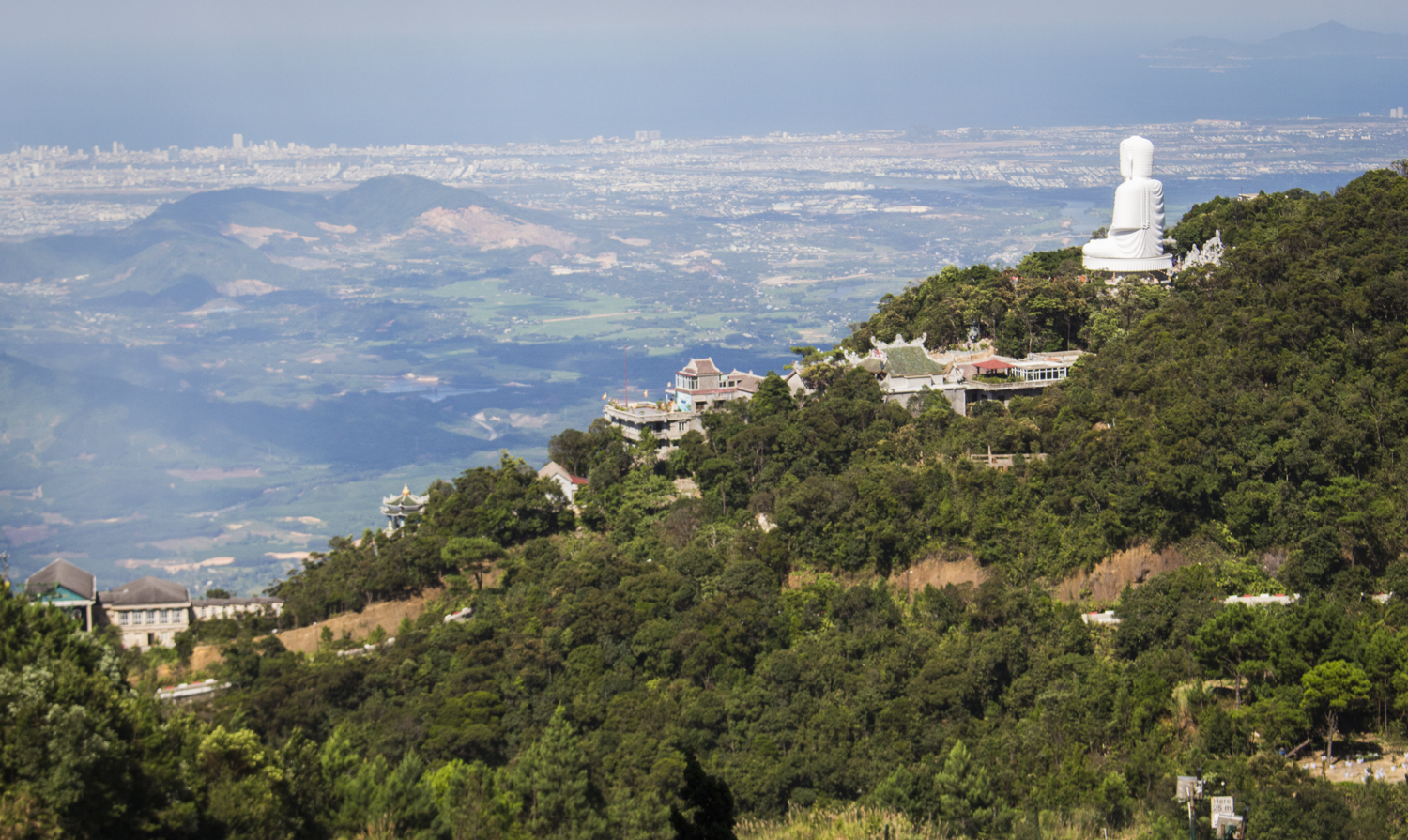
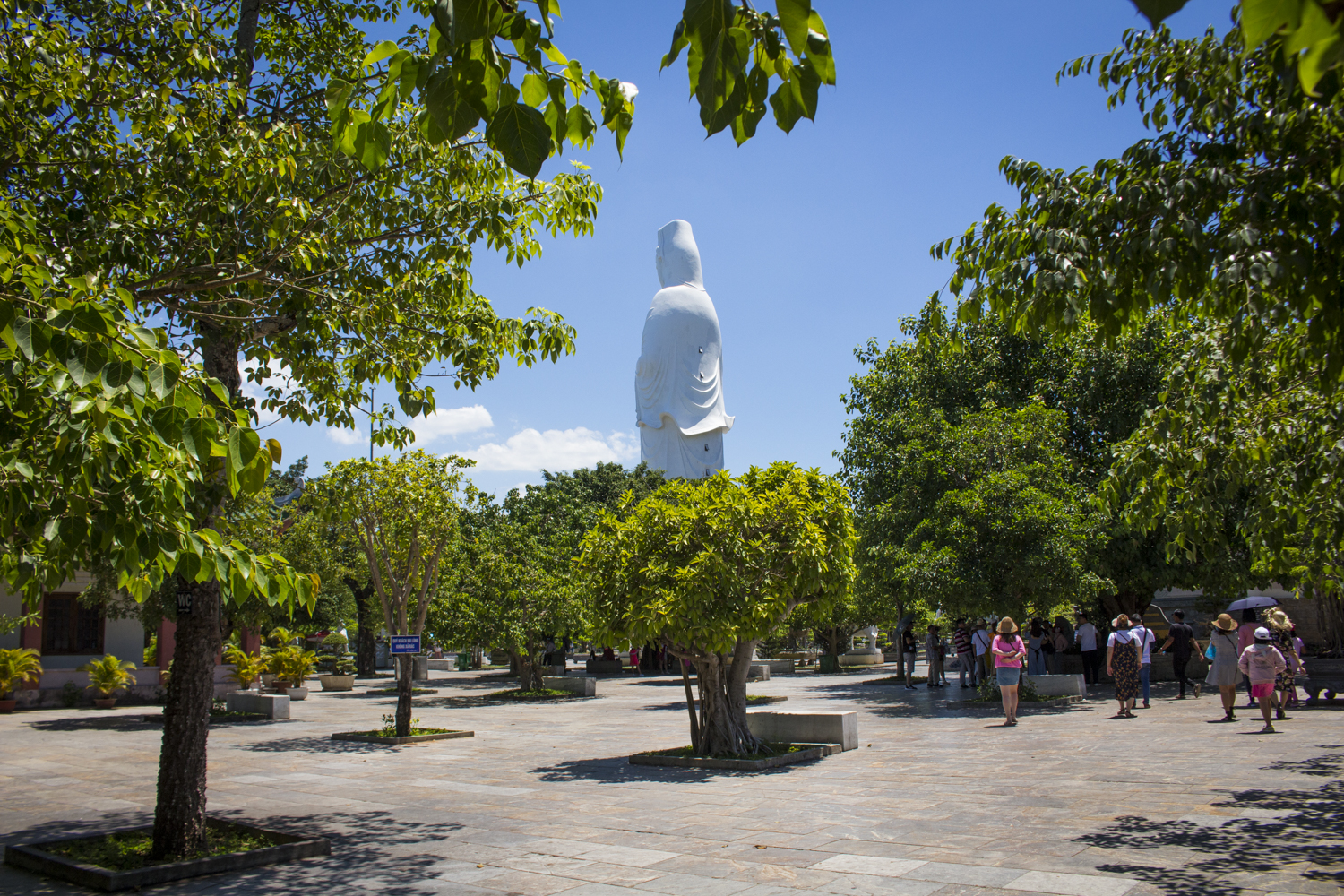
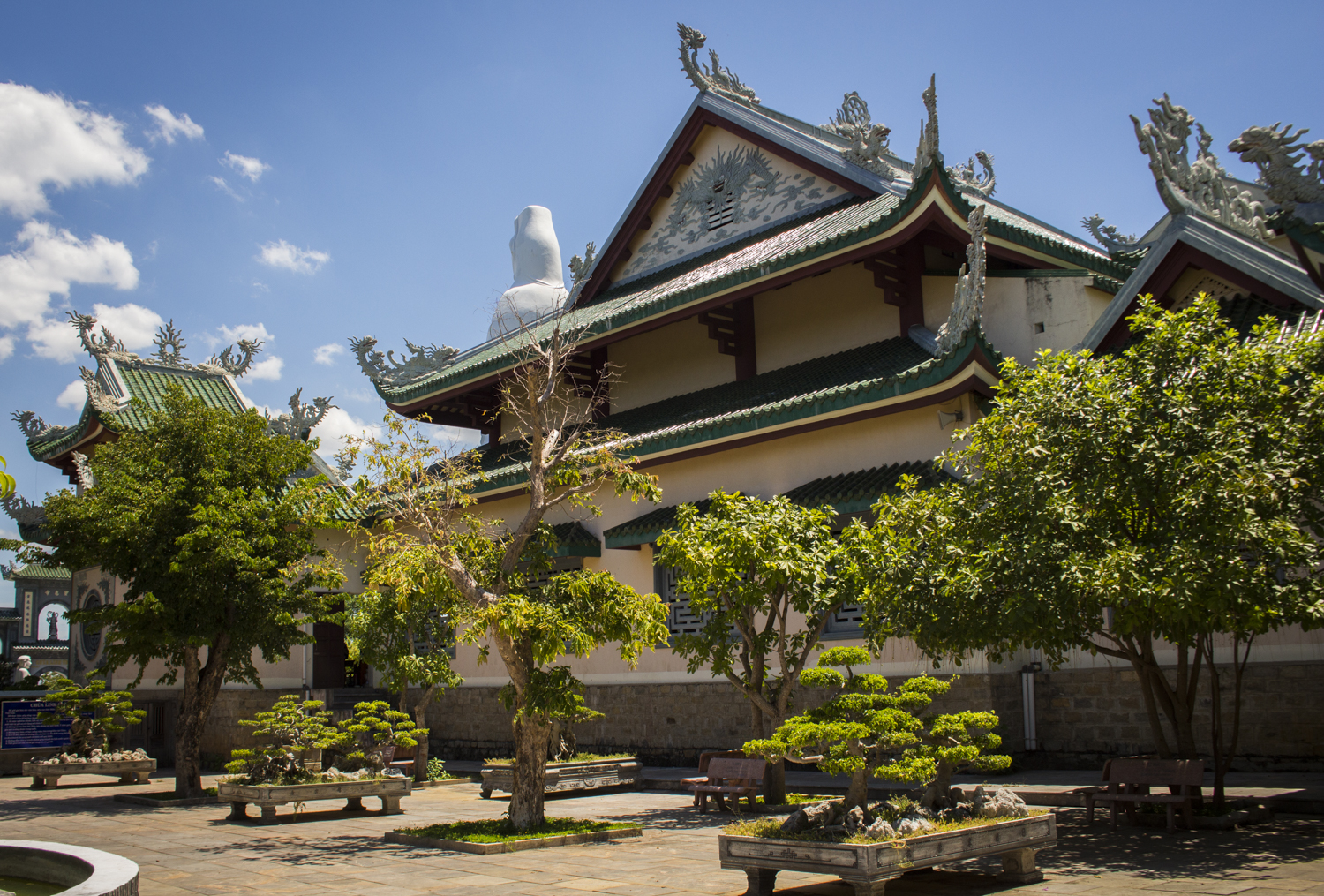
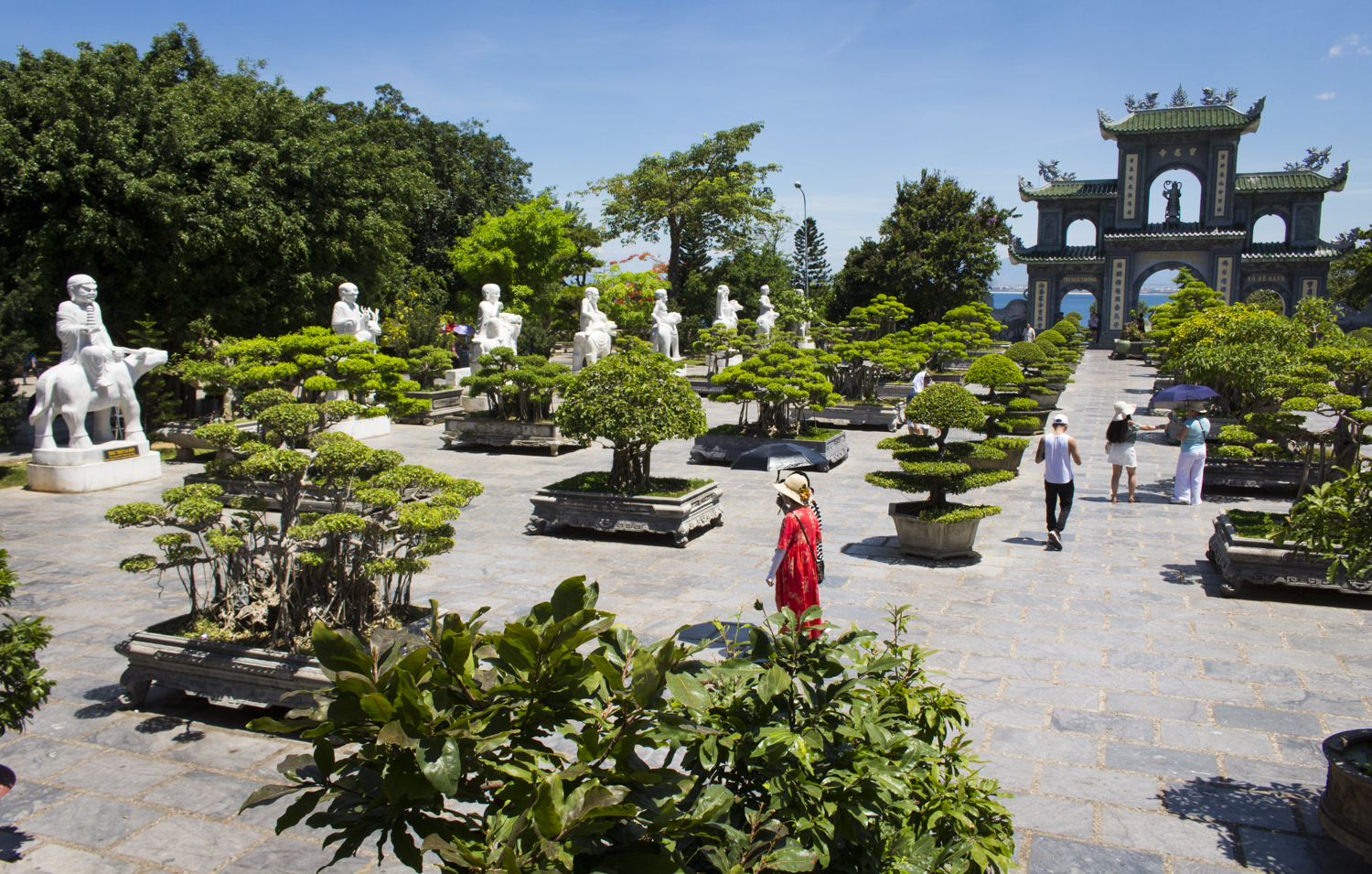
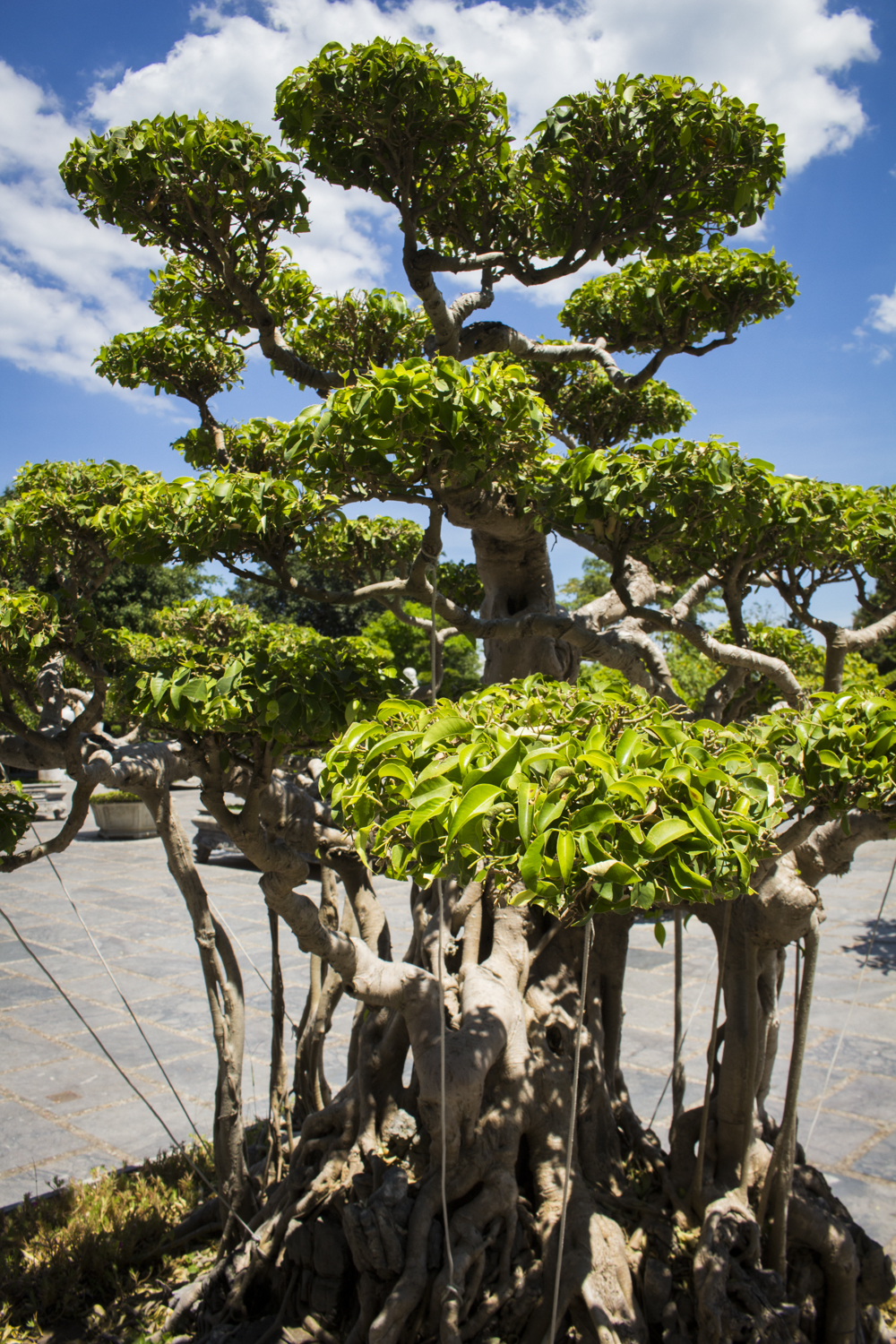
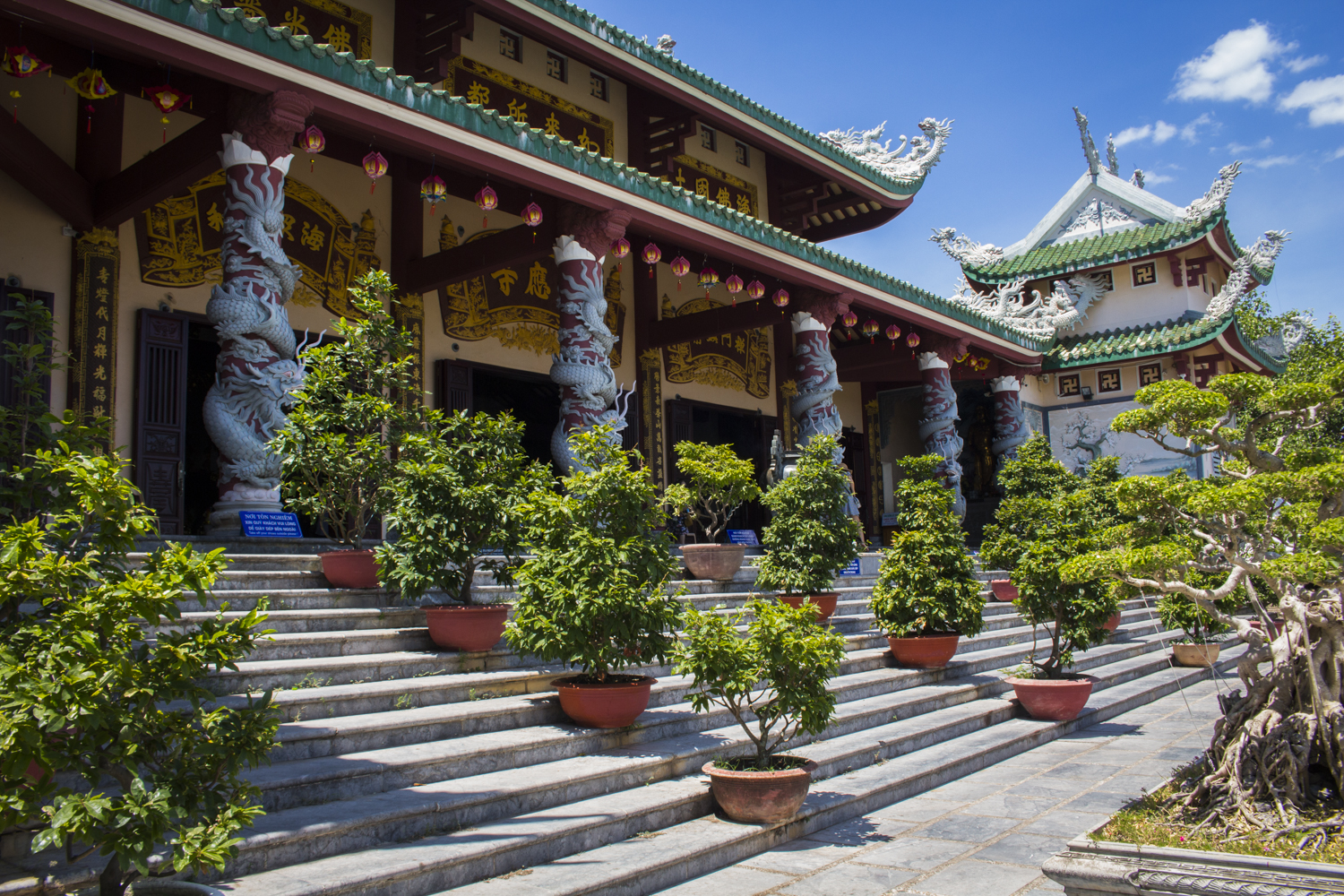
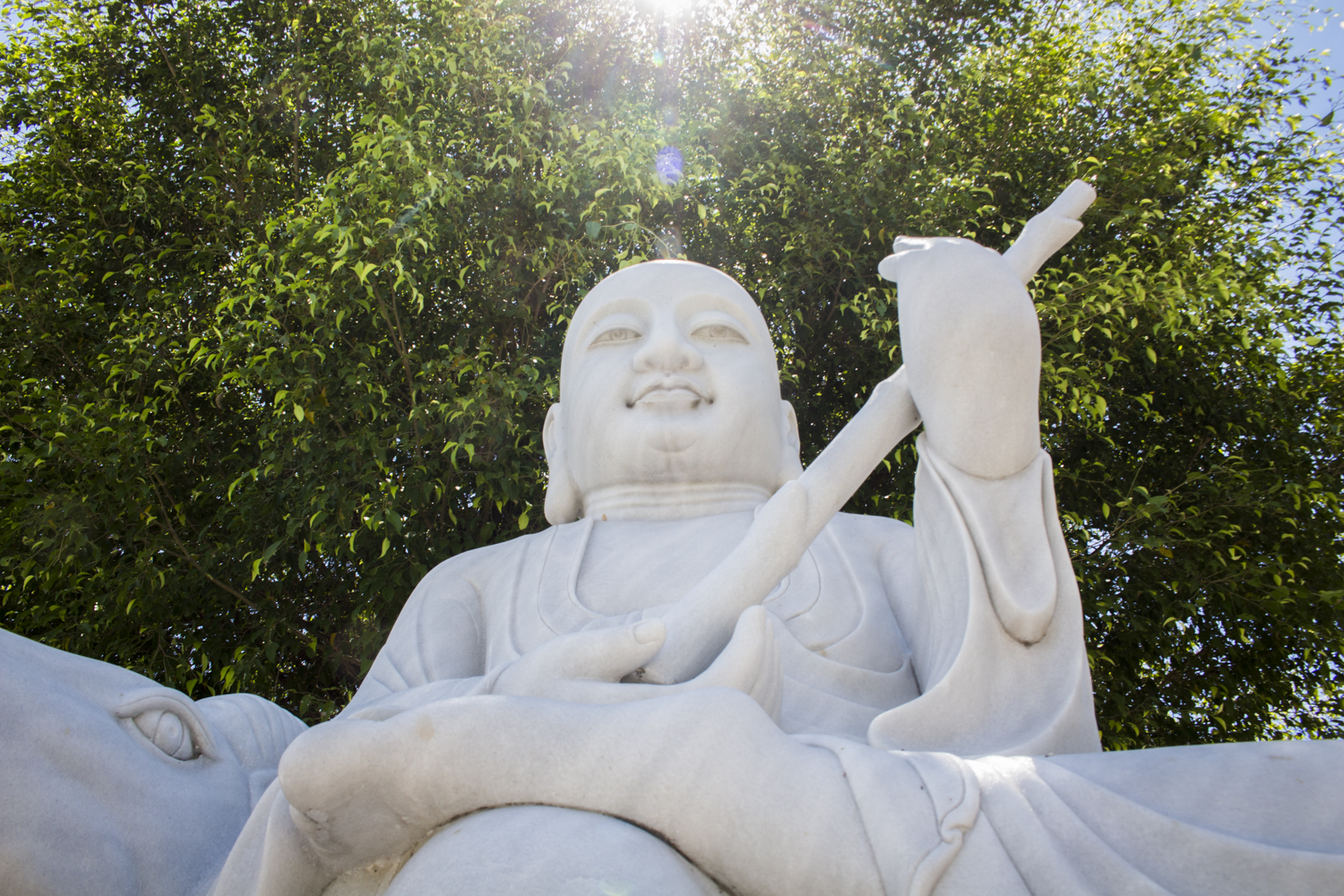
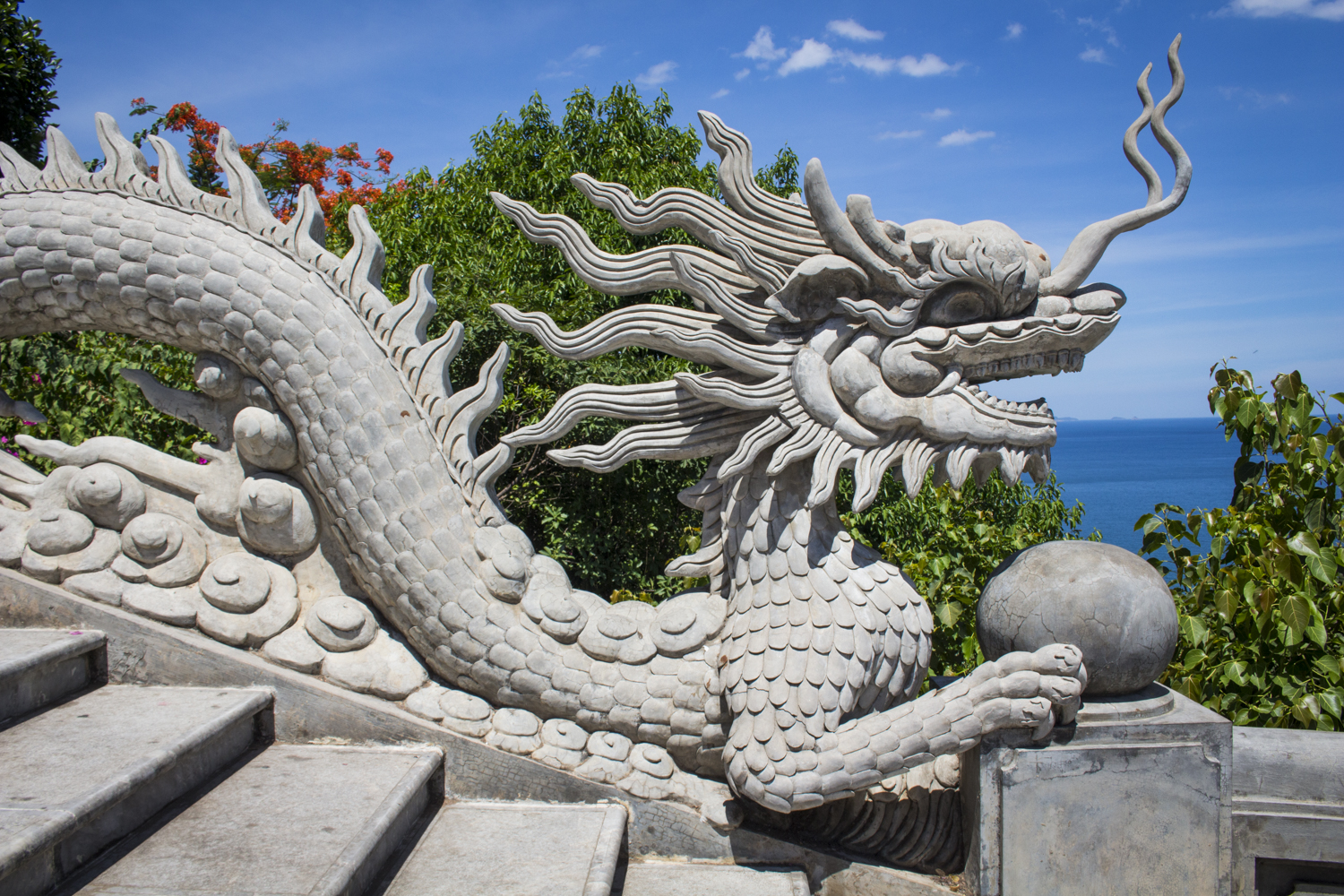
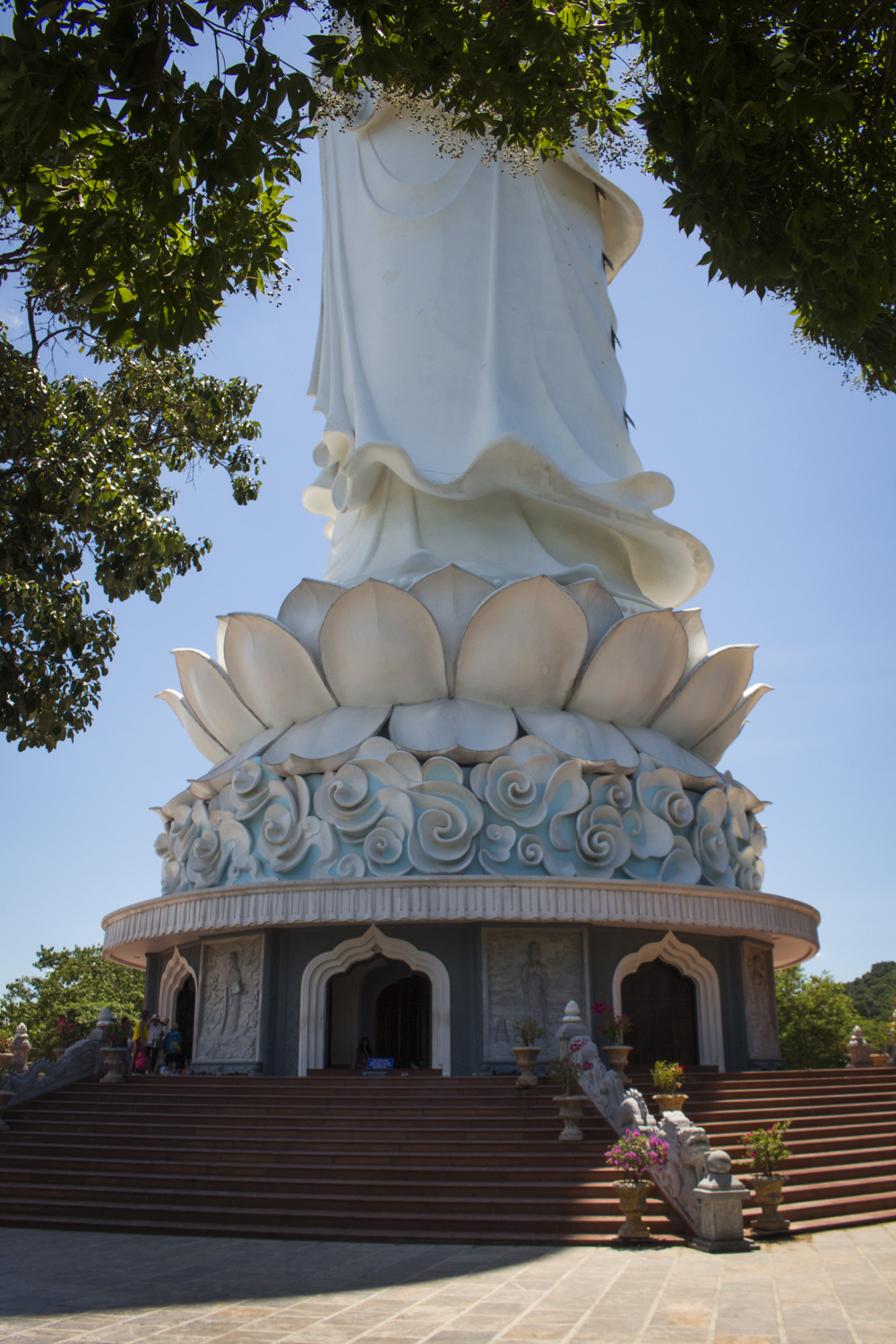
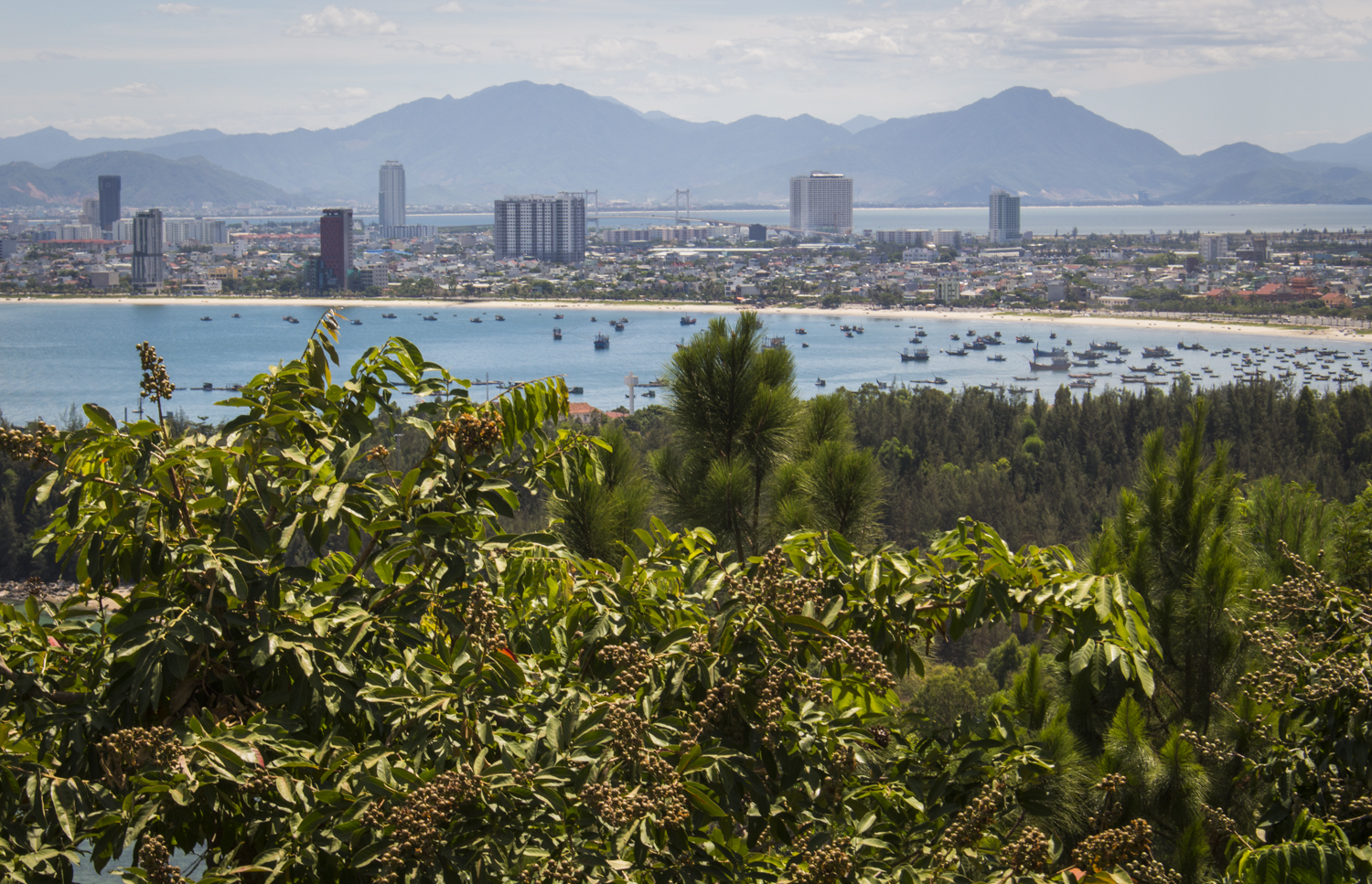
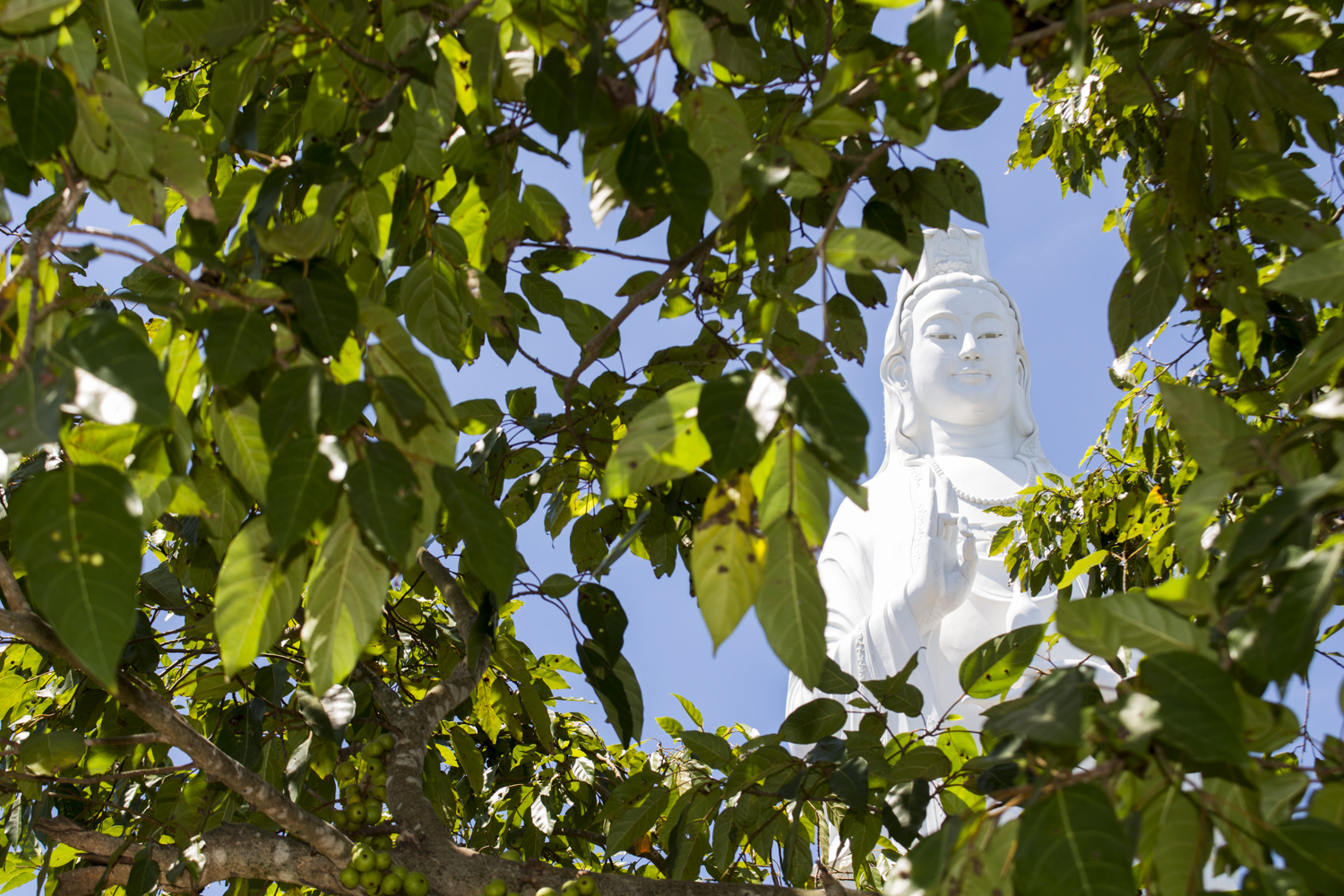
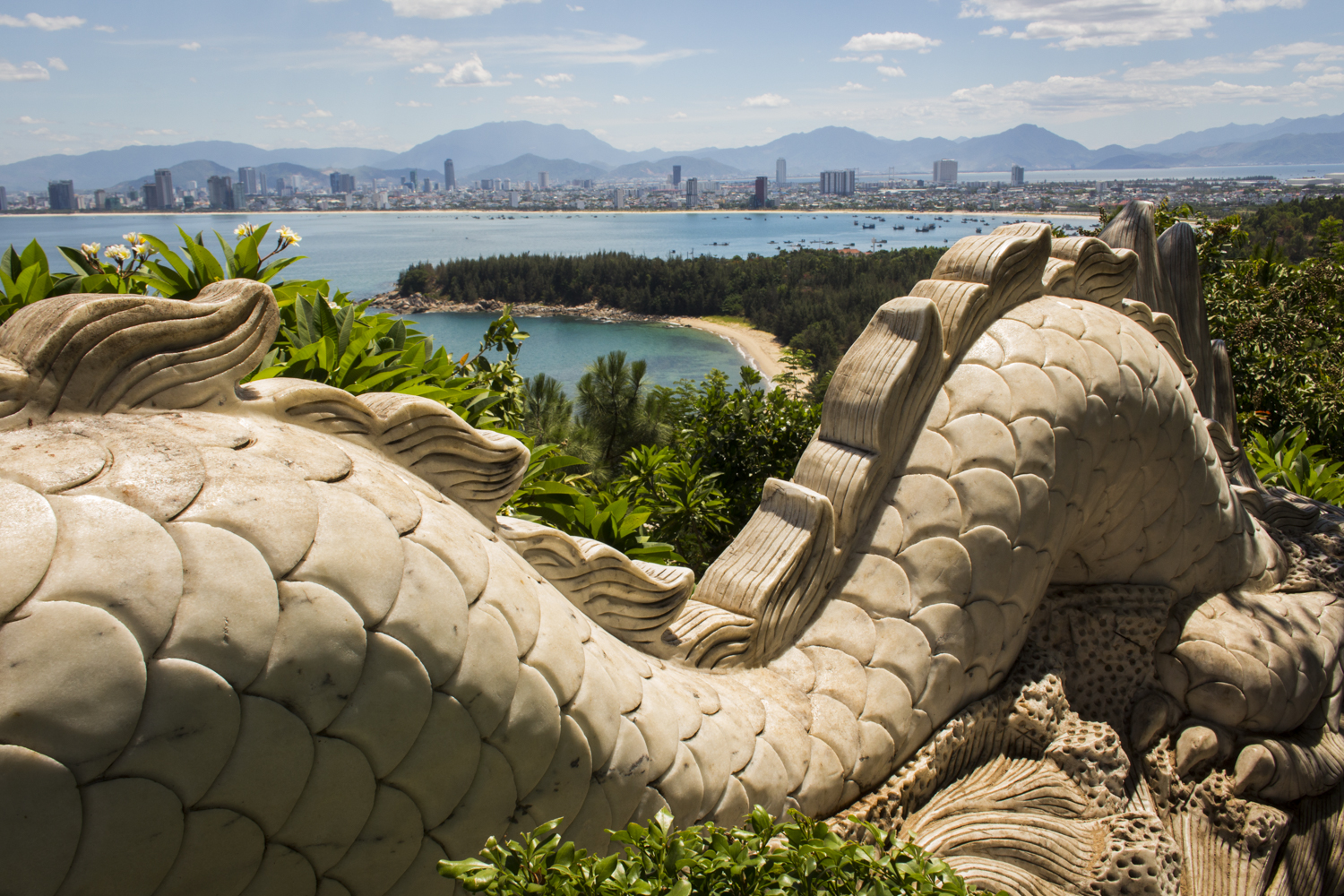
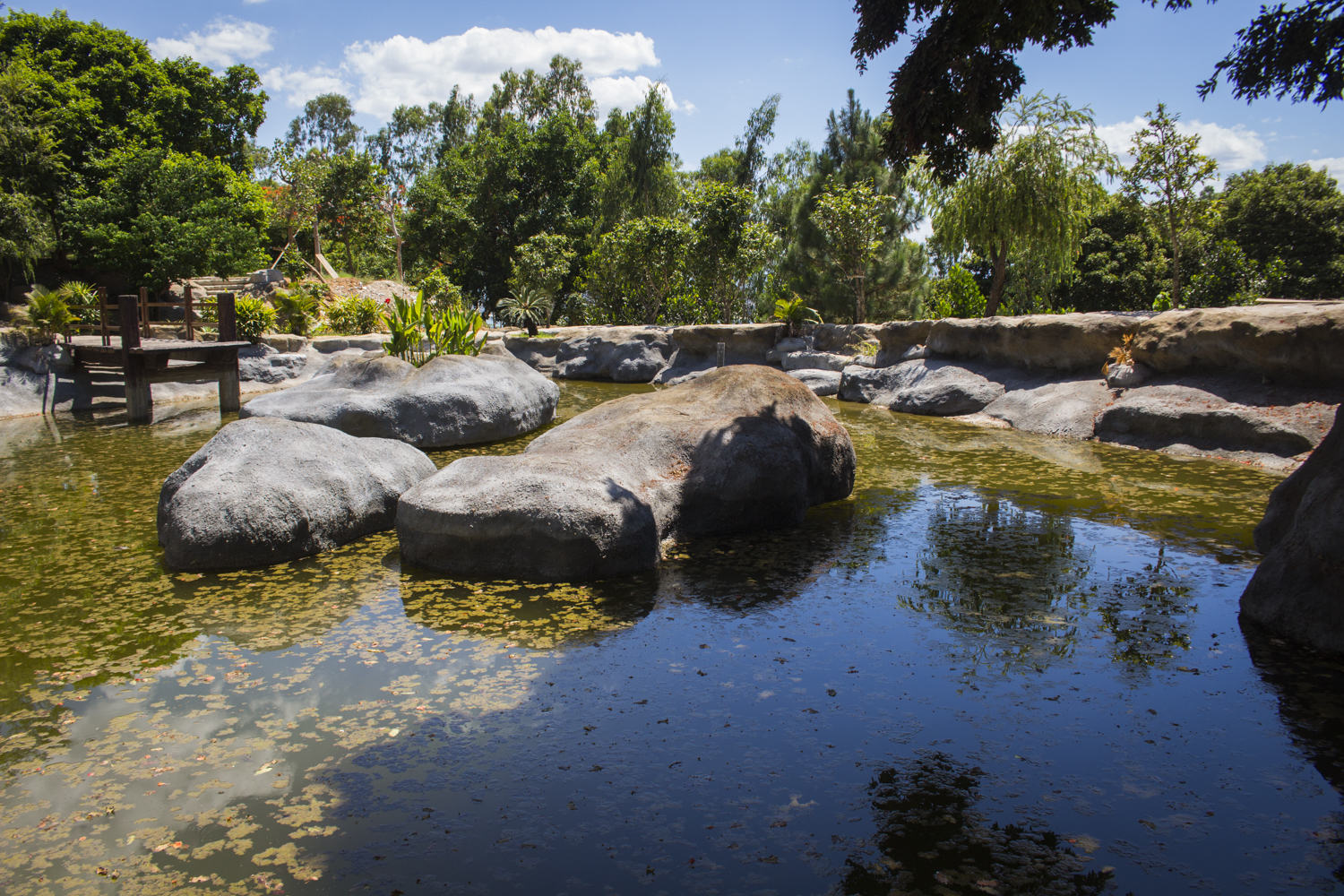
Facing the horizon and to the left, the land curves sharply out to sea. This peninsula is home to Son Tra Mountain, Monkey Mountain as American forces used to call it. It’s hard to resist a visit given the conspicuous landmark rising above the trees. You can see it from miles away, the statue Lady Buddha. She’s 67 meters and pure white, the tallest of its kind in Vietnam. After drying out, I zipped over via taxi (Vinasun or Mai Linh are both trusted). My driver waited an hour in the lot while I covered the Linh Ung Pagoda and its impeccably groomed trees. Statues line a four-sided garden in one part of the complex before you happen upon the Lady in another. Opposite you can now see what she does, a stunning bird’s-eye view of eastern Da Nang and China Beach, the American war-time moniker for My Khe. What I’m just realizing now though is how little of the area I’d seen. The Red-shanked Douc, the 800-year-old Banyan tree, Confucius at his chessboard and the winding mountain road – I’d missed it all. At least I got a drive back.
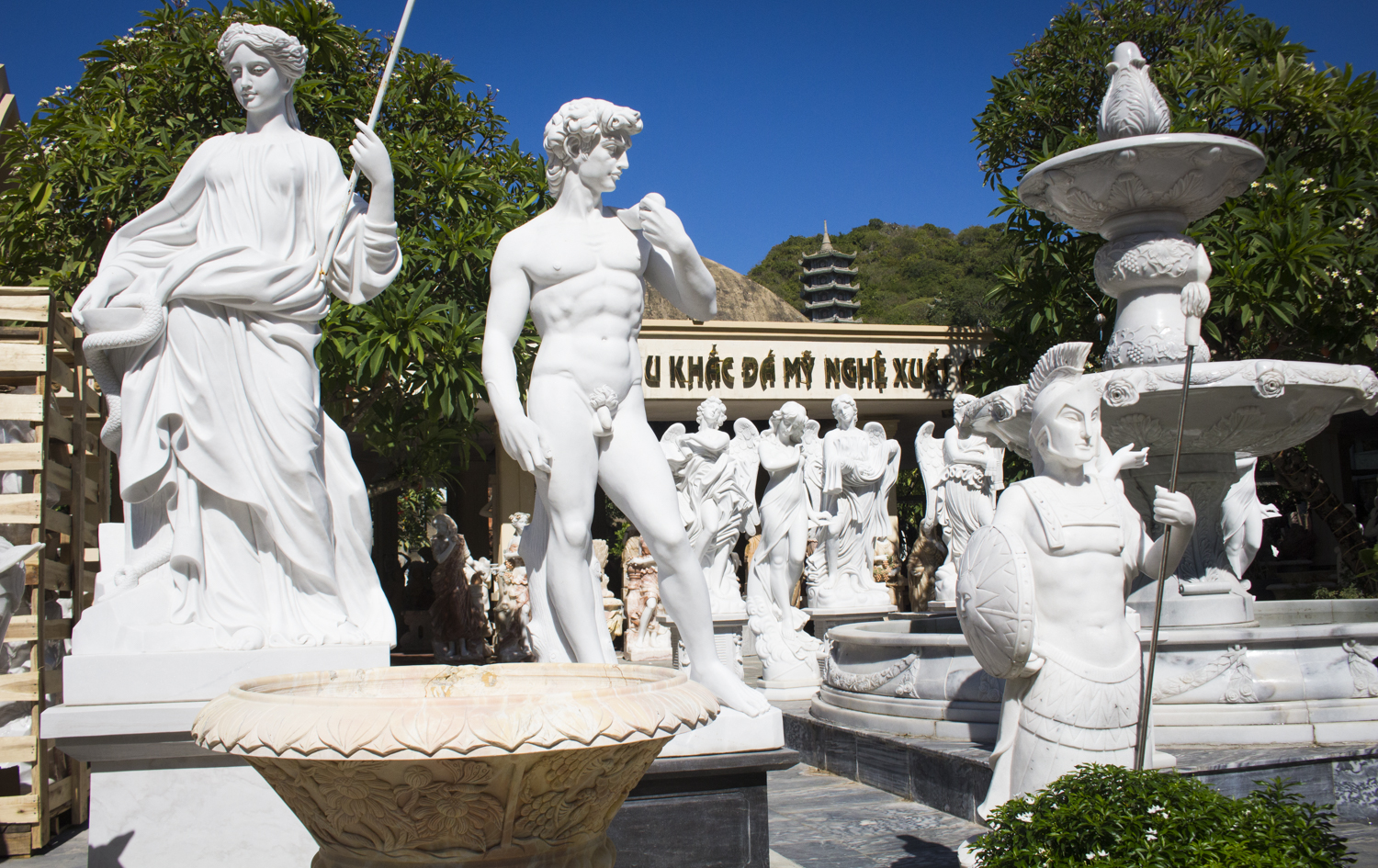
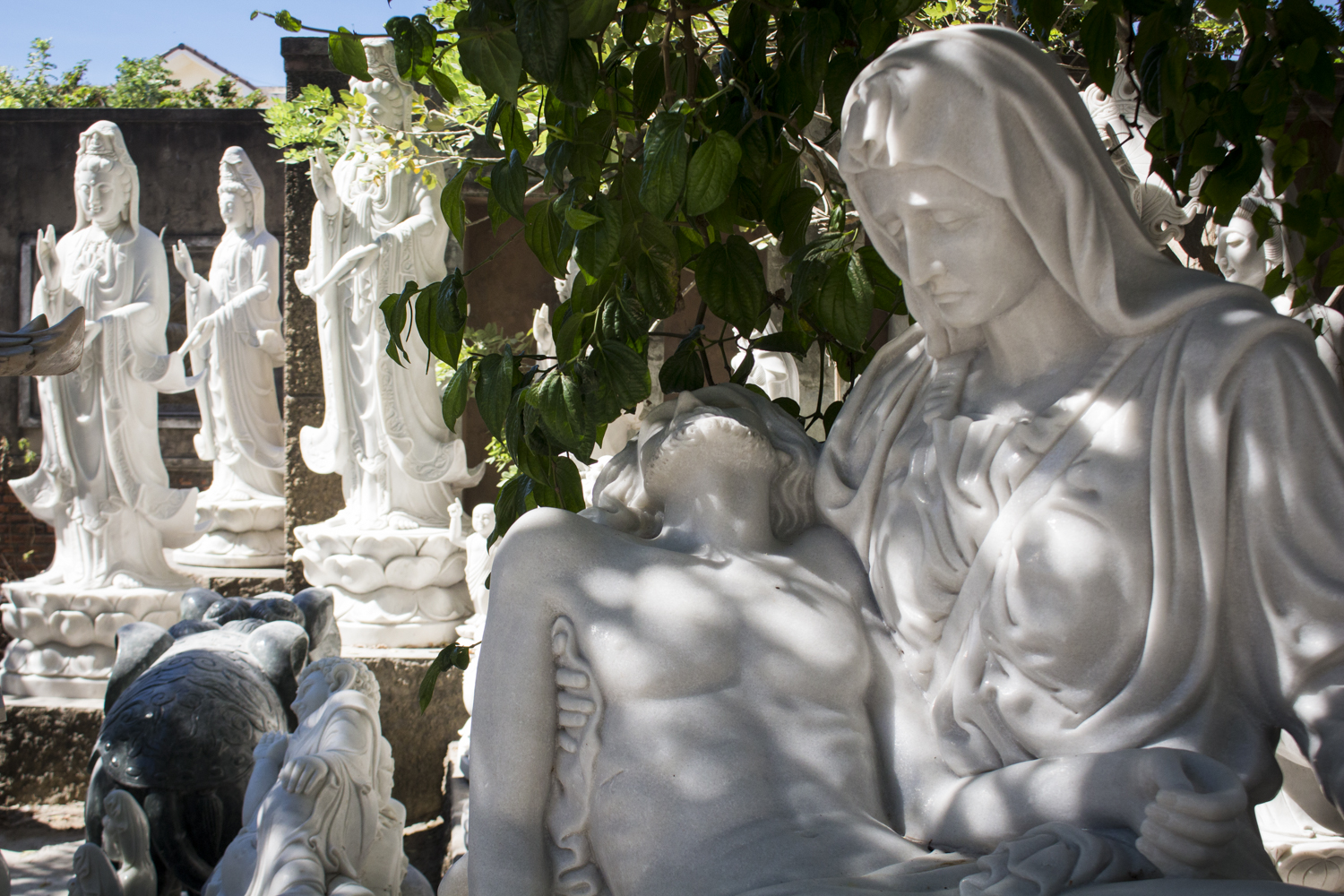
Lonely Planet’s claim of “gorgeous countryside” in and around Da Nang is not wrong. So do the half-day trips then, the full-day ones too, and endure the 20-minute “rest stops” that hope you load up on papaya cookies and jewelry. This is just East Asian tourism. Even a South Korean excursion to the DMZ will likely end in a retail pitstop, one proselytizing the herbal virtues of domestic ginseng for example. My tour to Ba Na Hills began this way. Not long after the pick-up we glided into a statuary, an attraction of its own as we could walk through the garden of Eastern and Western idols and snap photos. No one walked away with a reclining Buddha or a David but maybe a smaller keepsake from the shop inside.
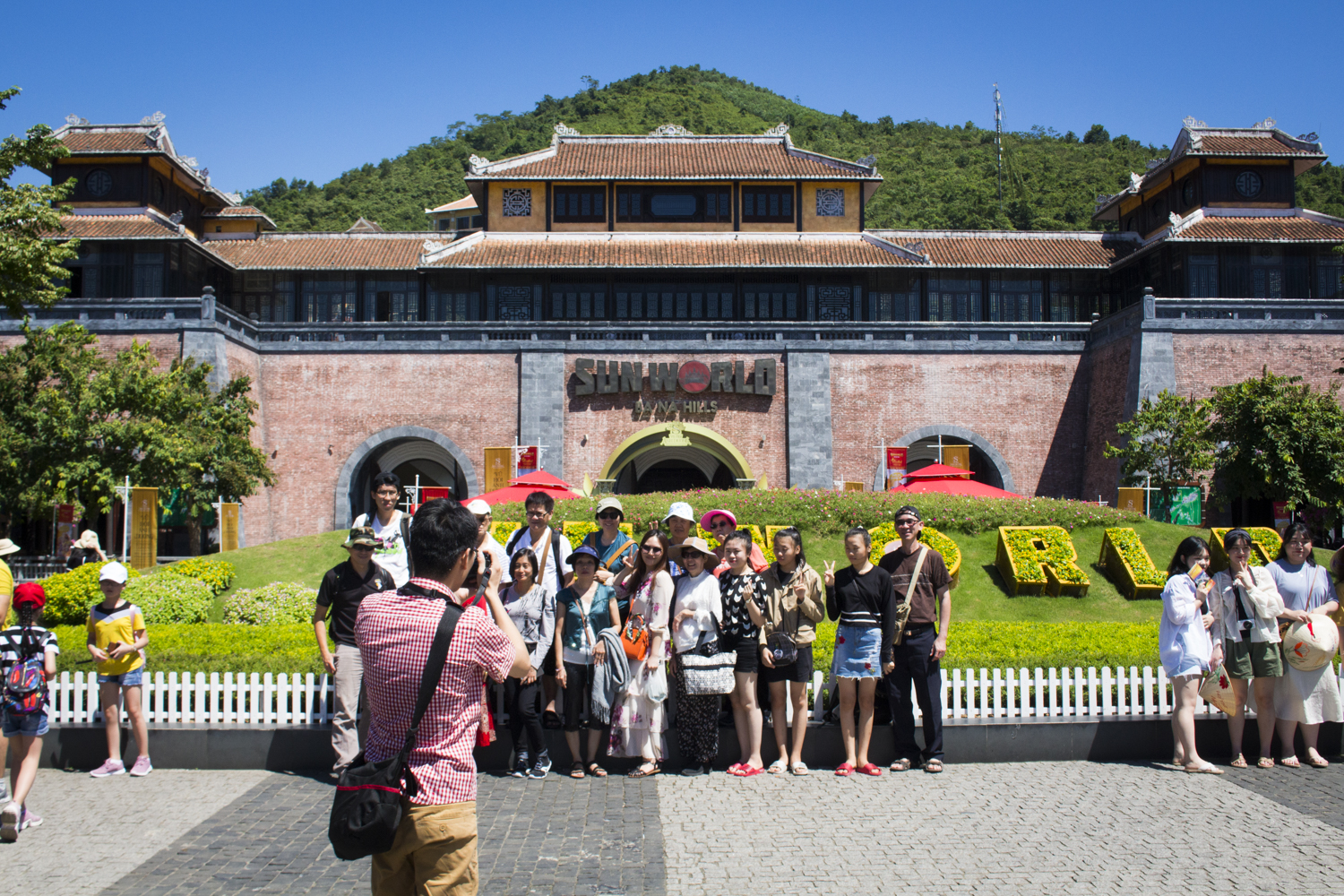
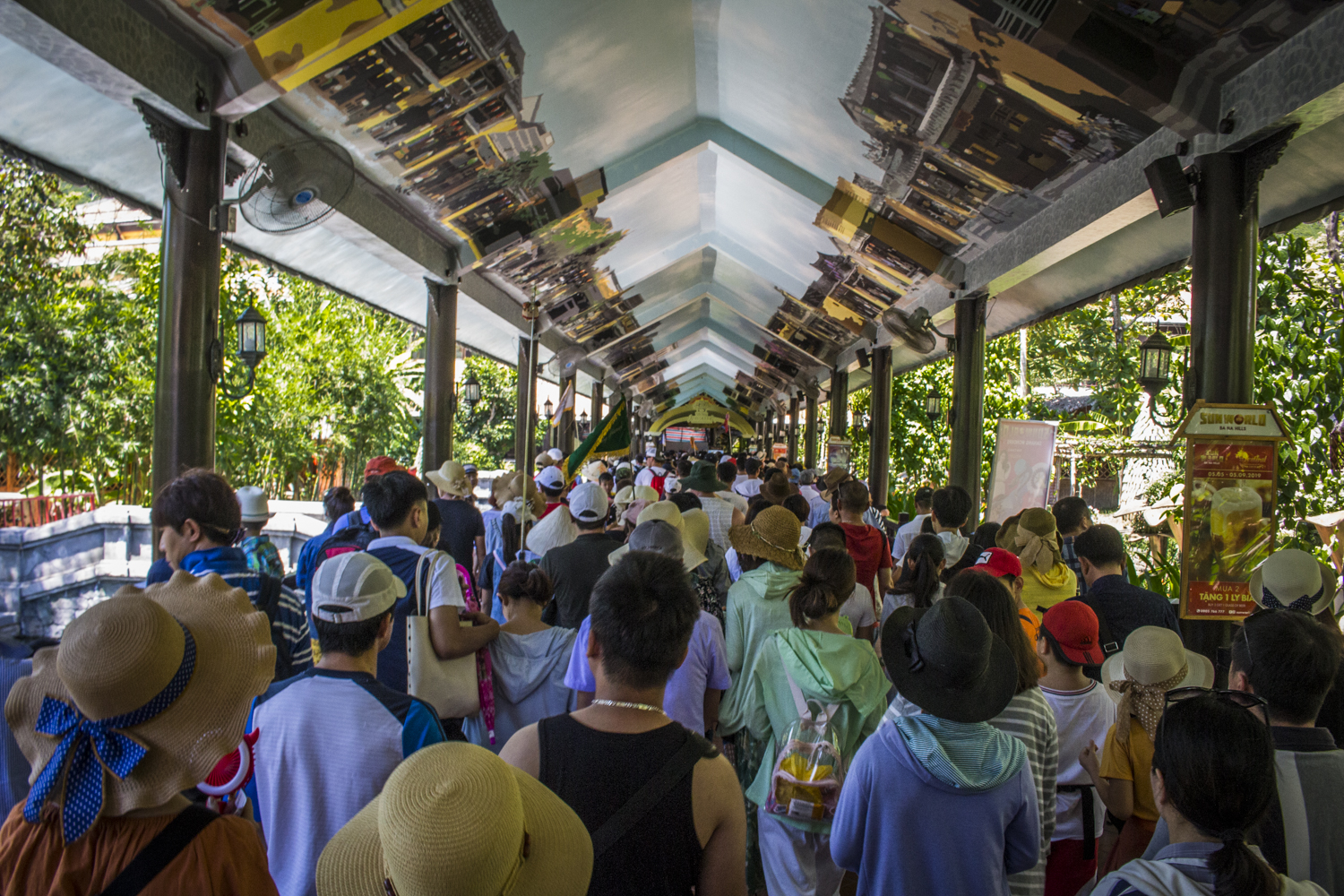
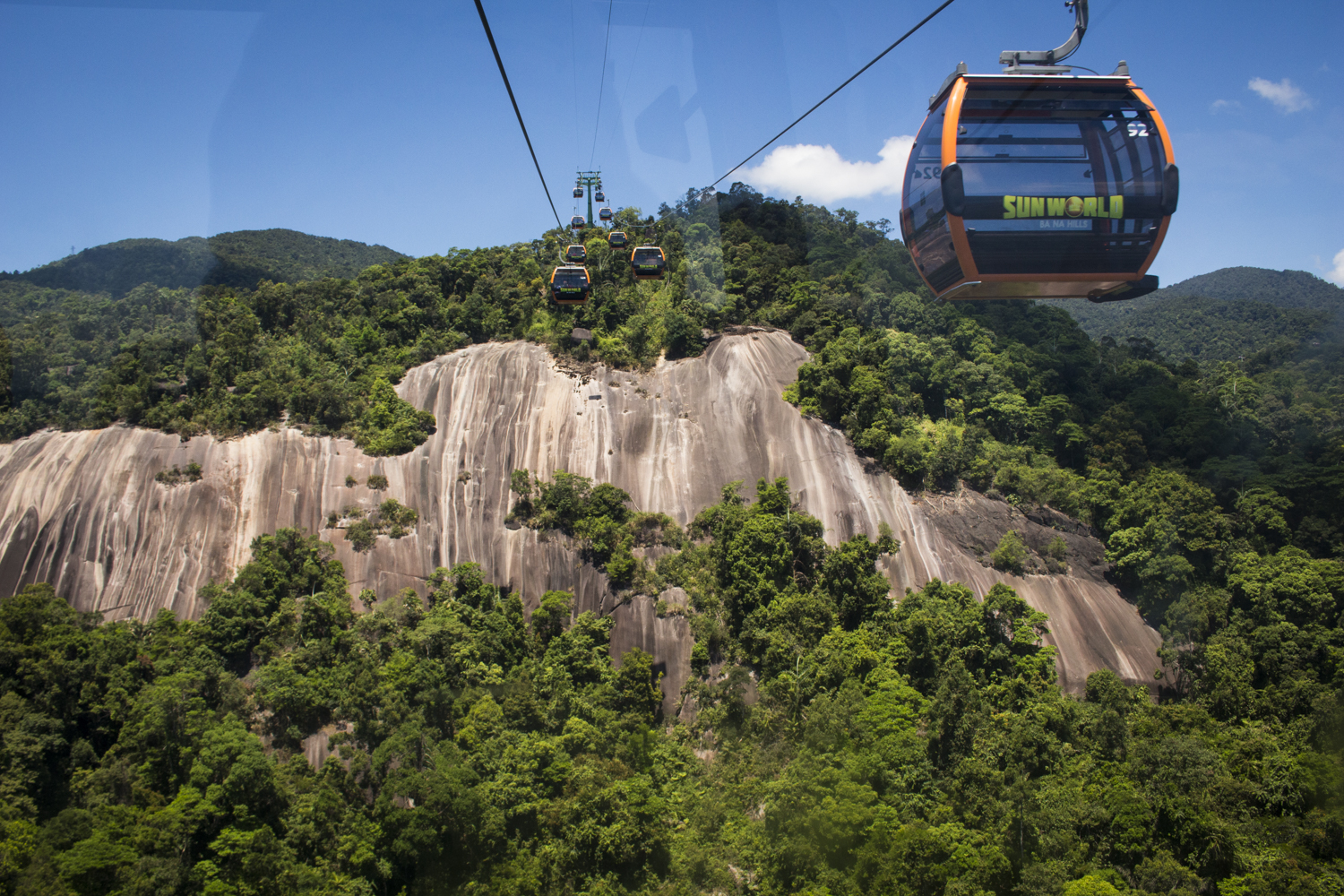
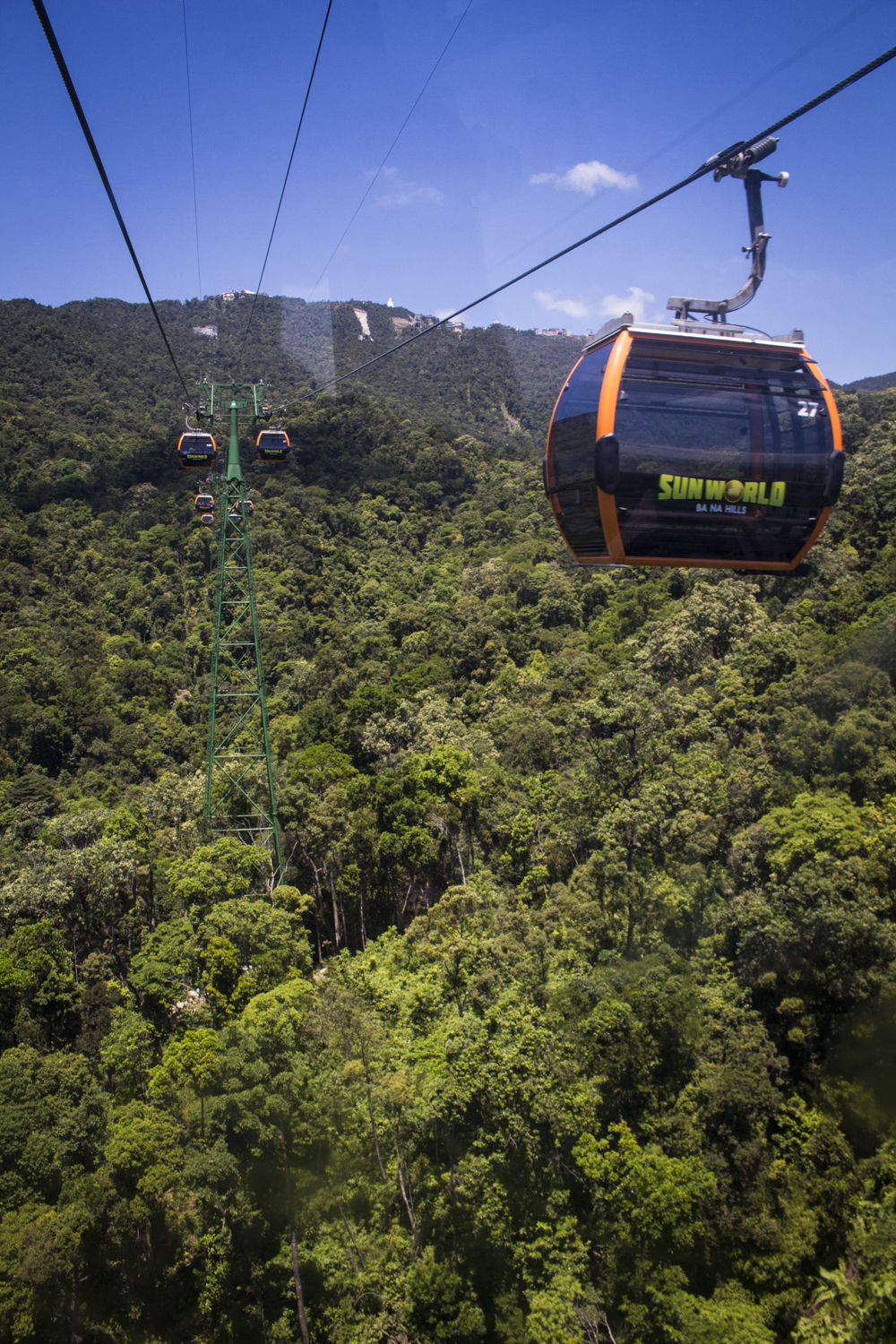
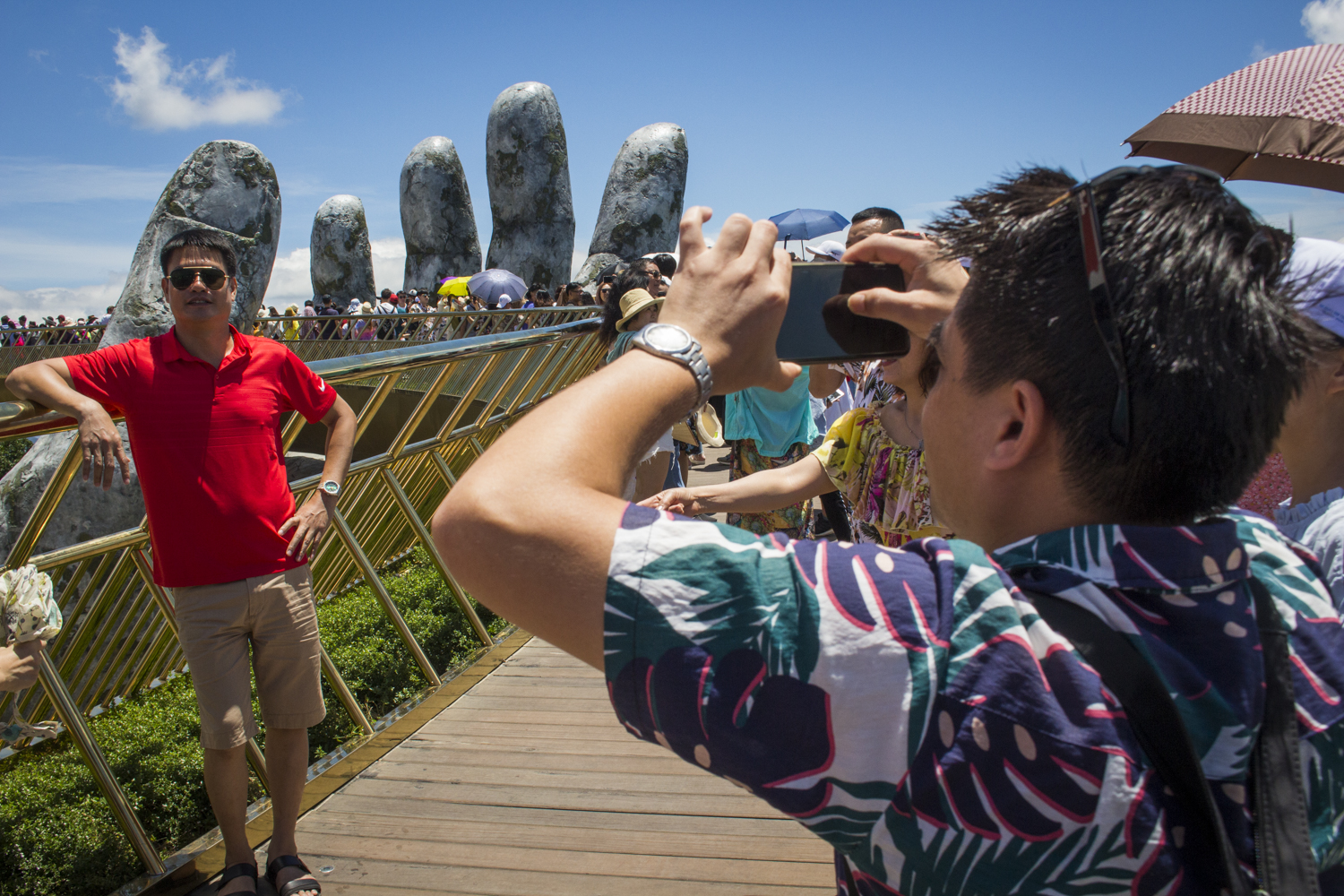
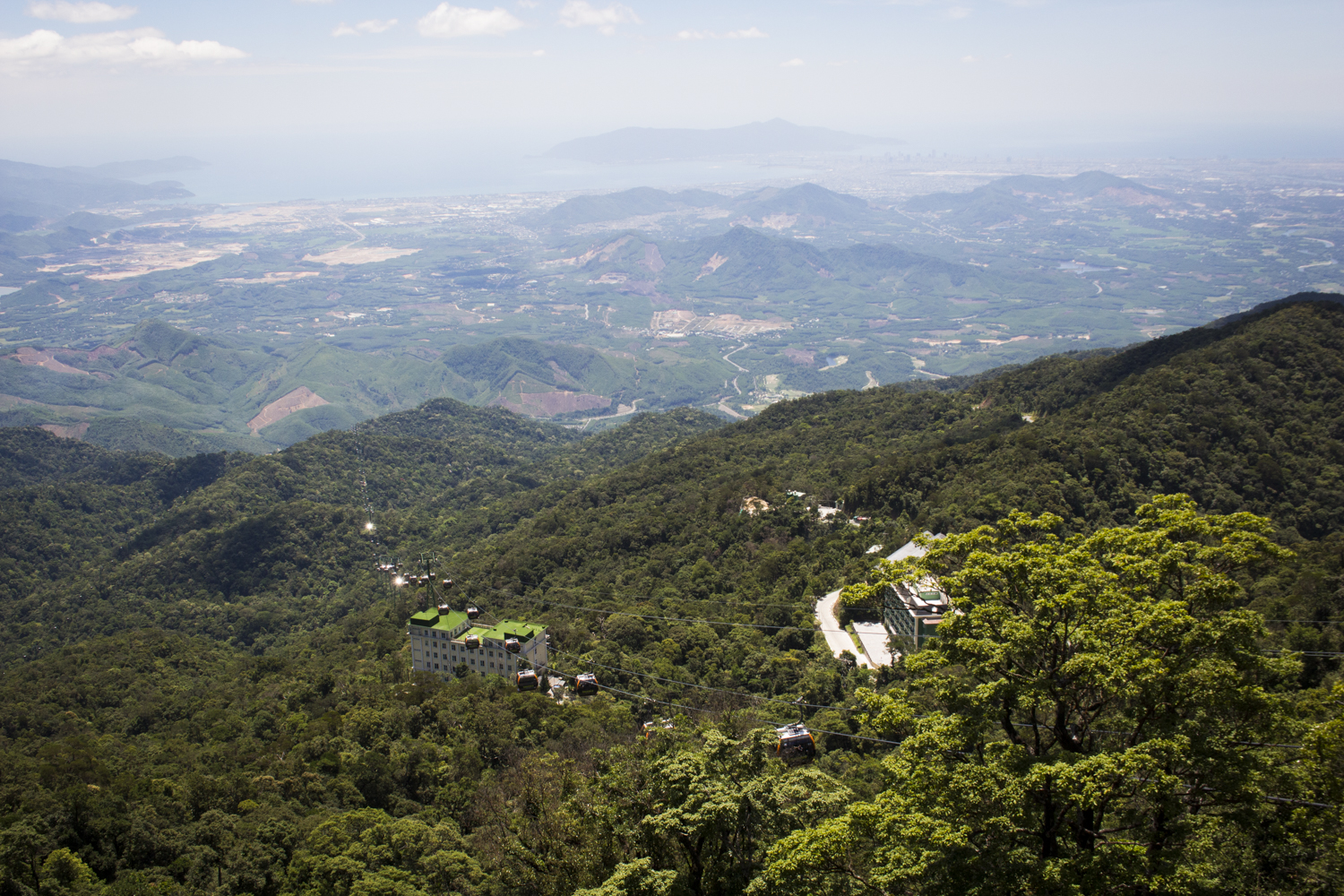
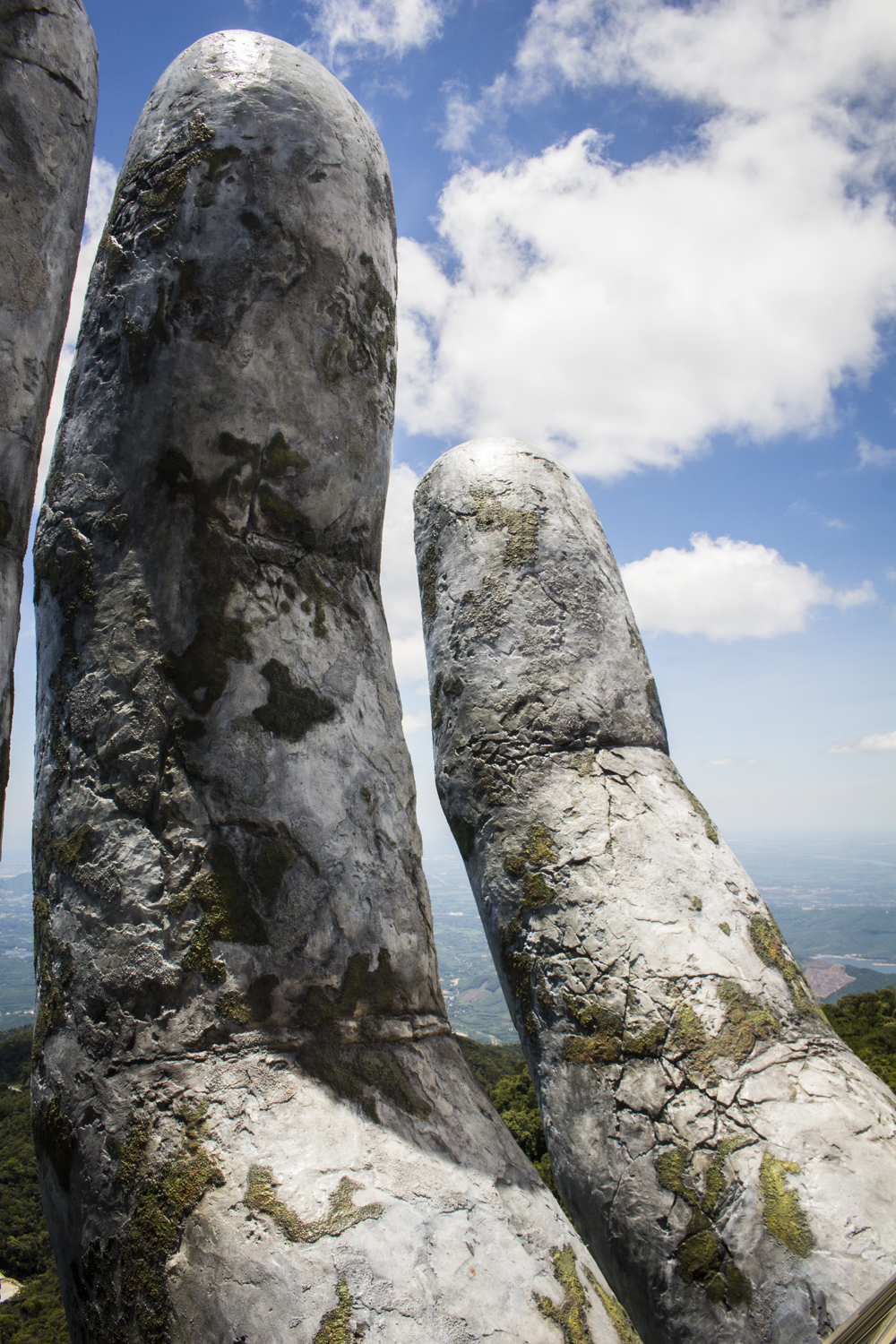
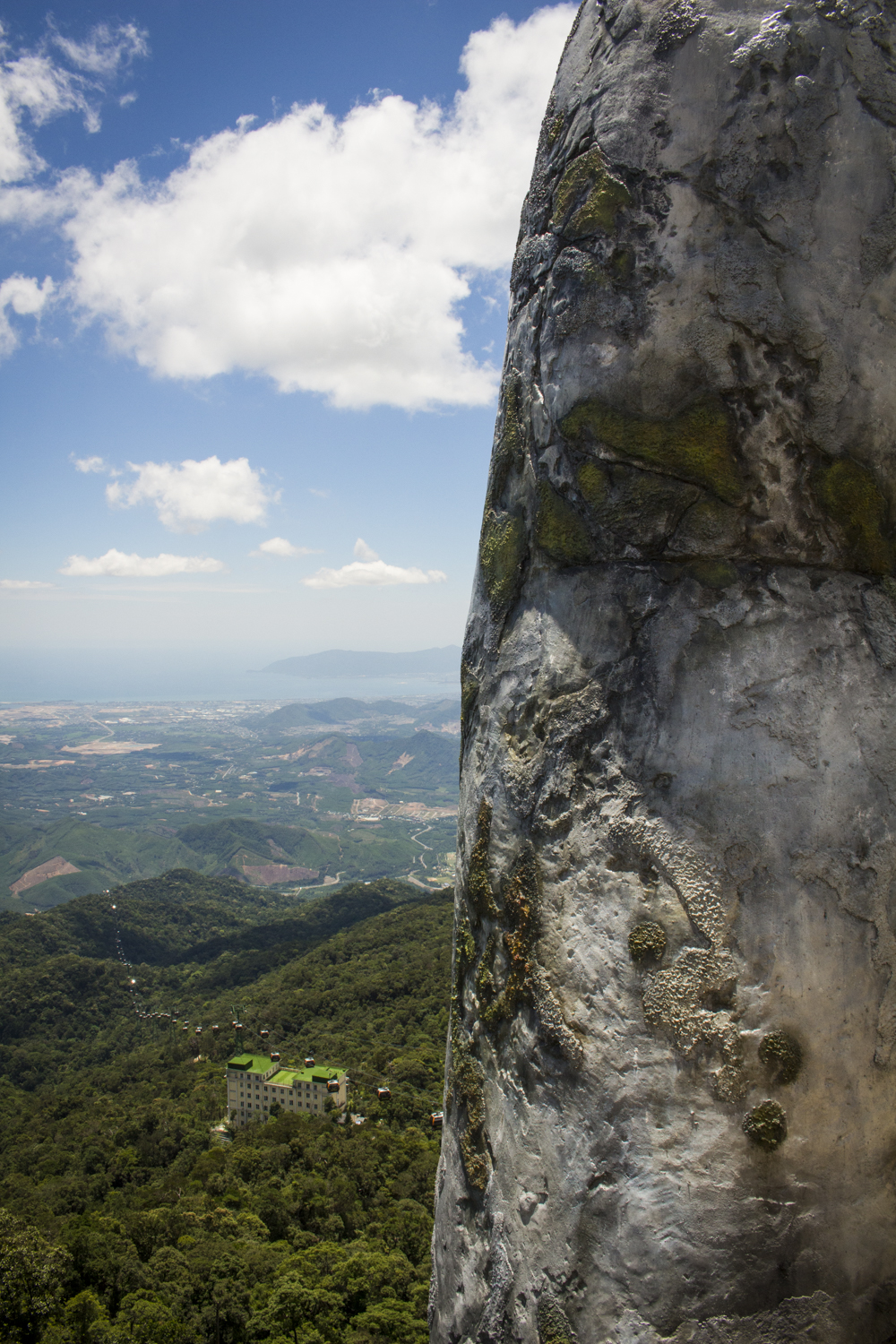
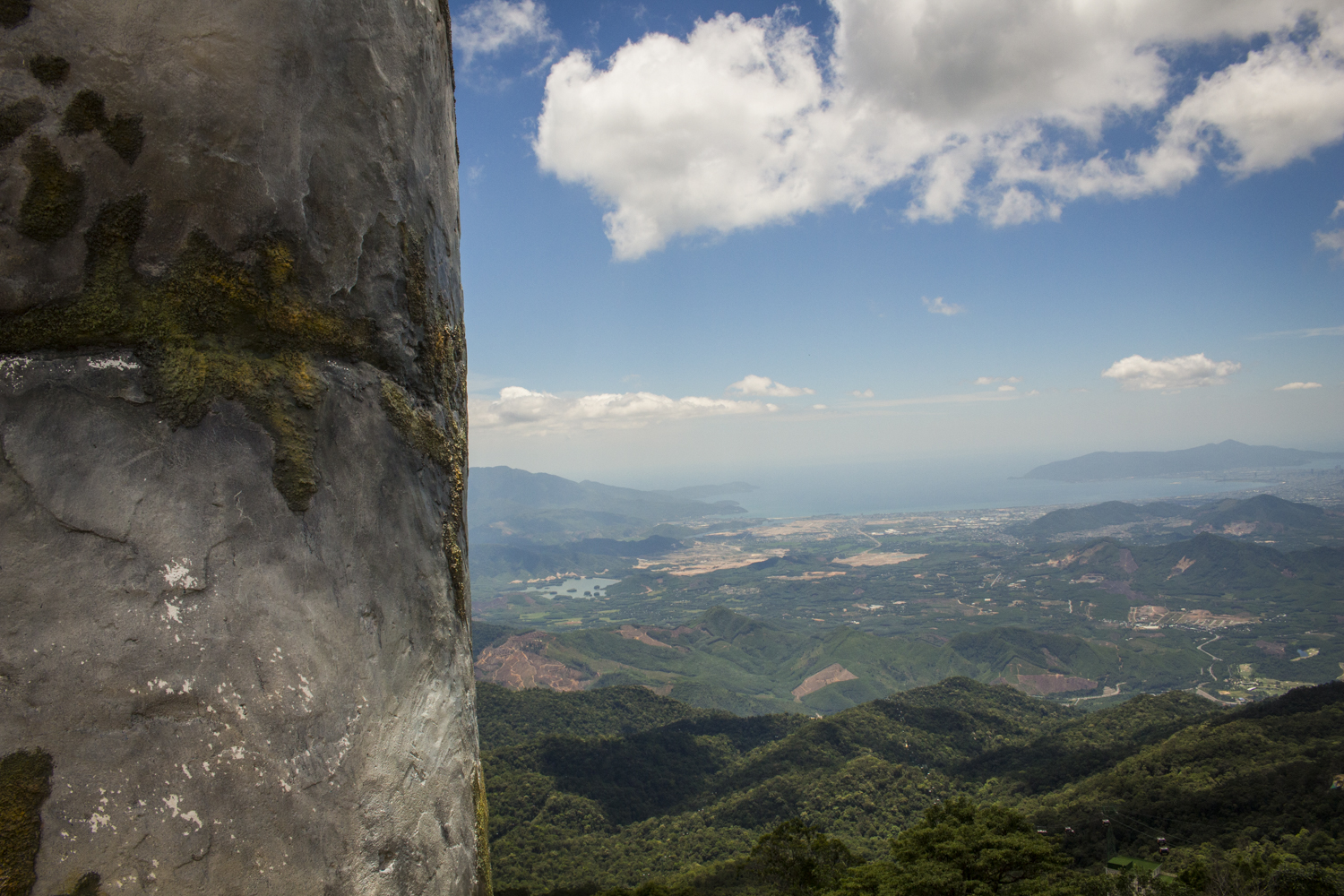
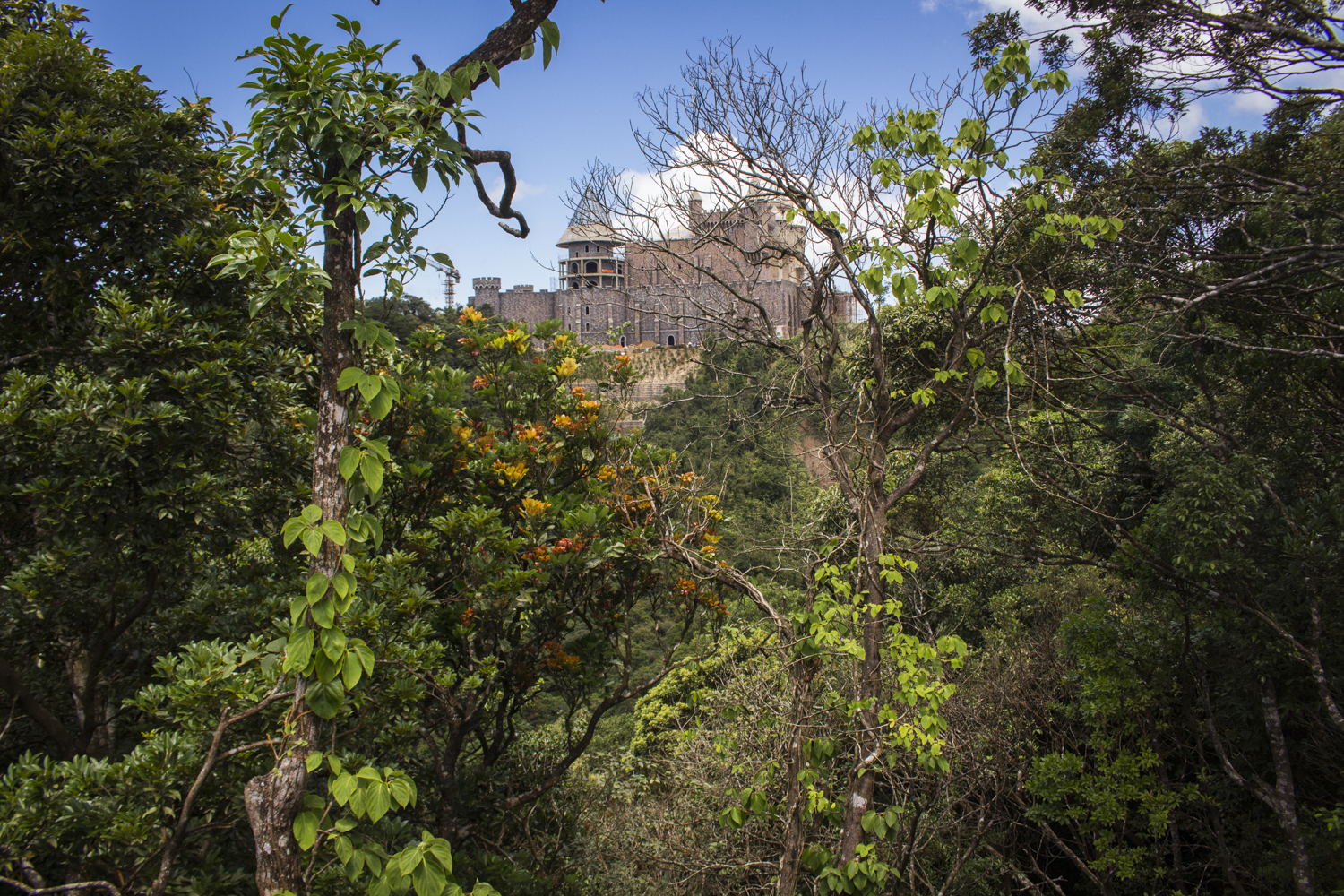
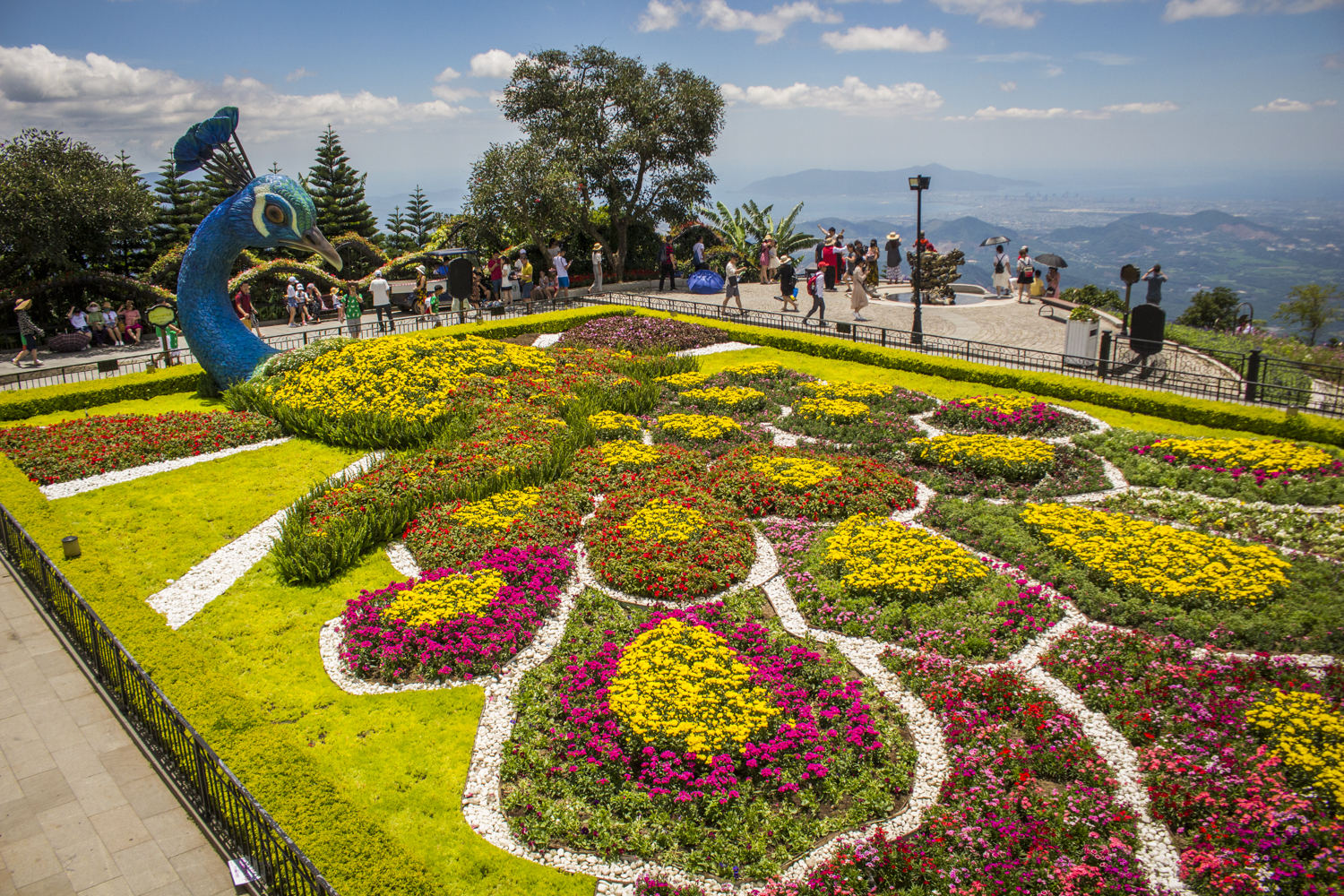
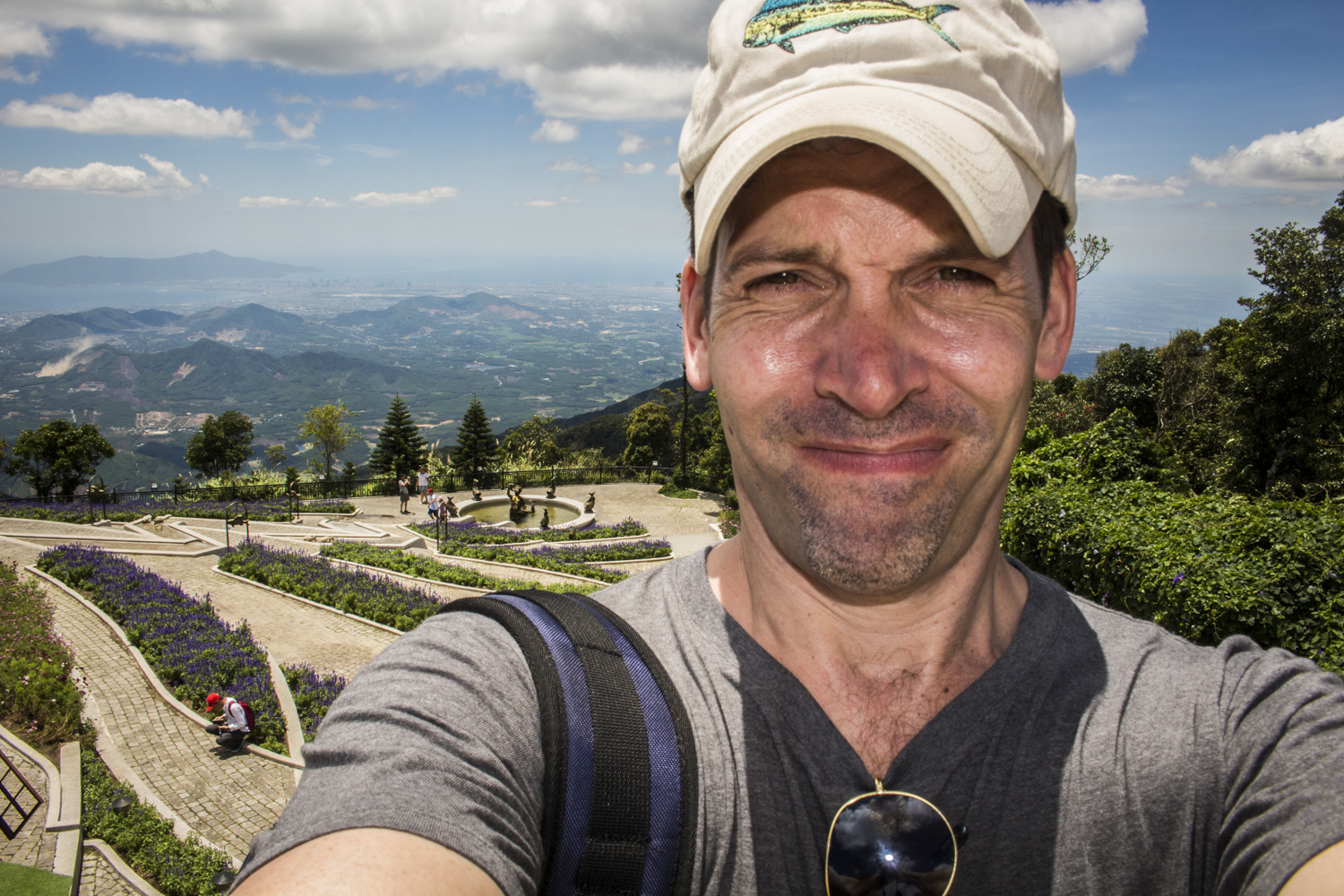
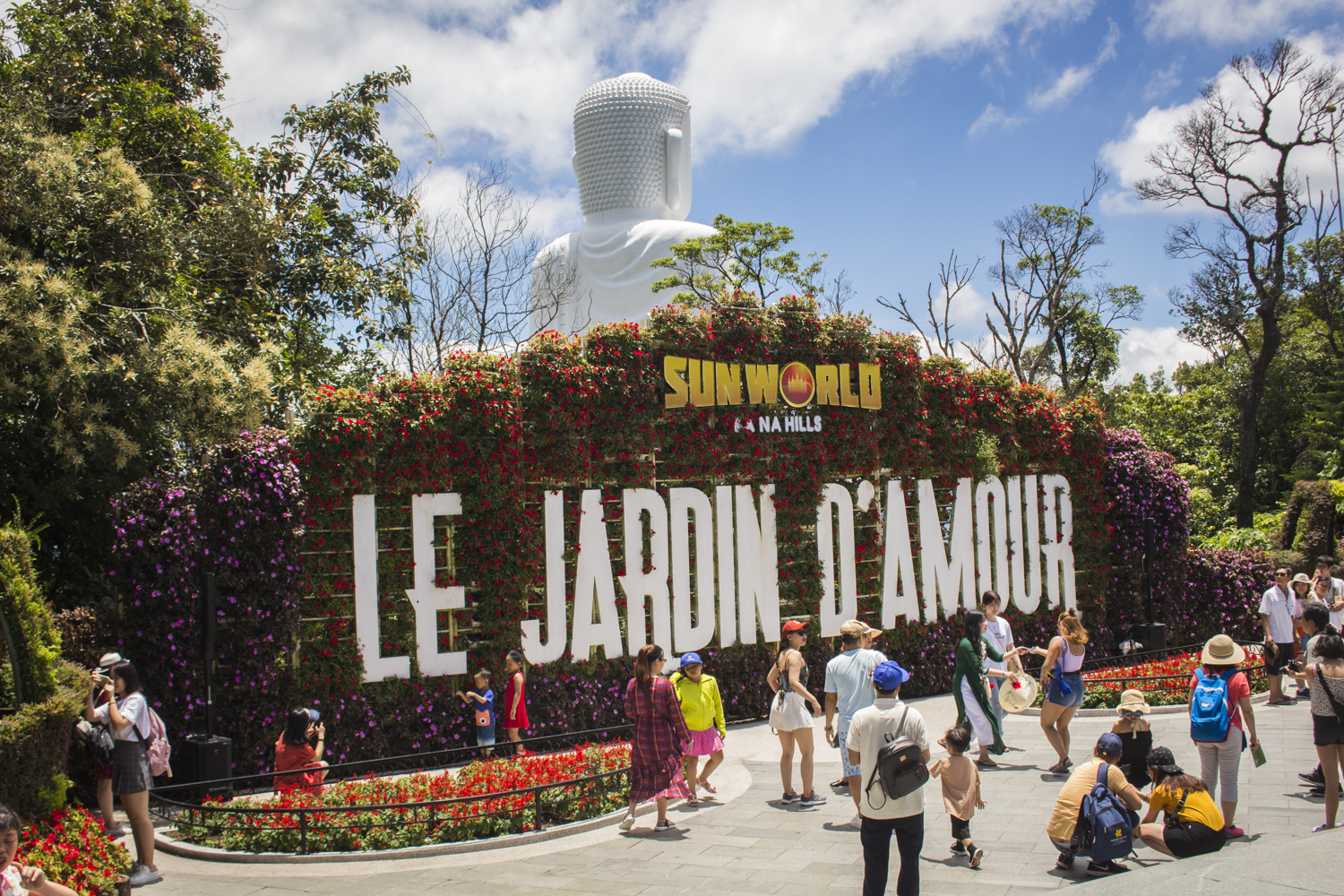
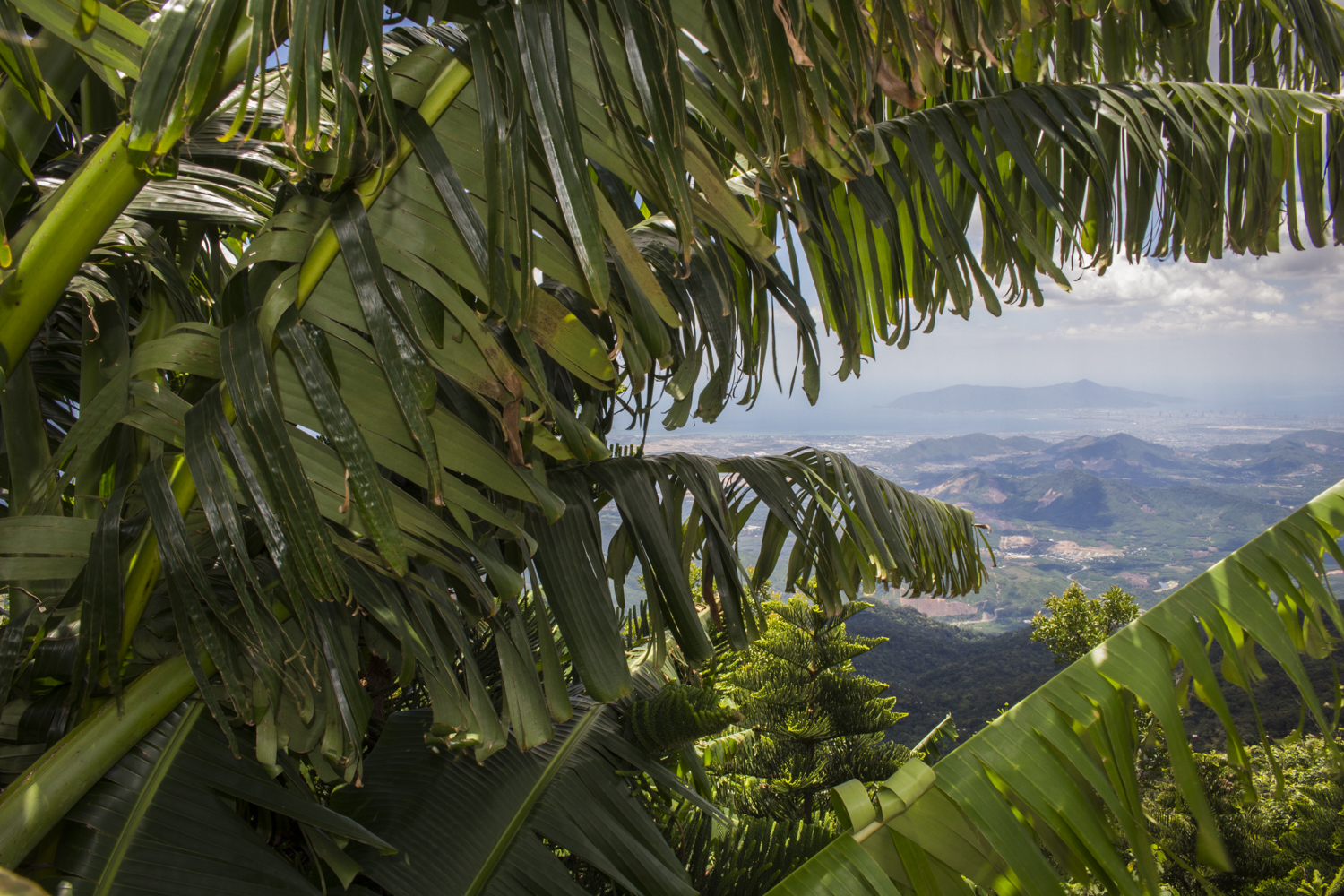
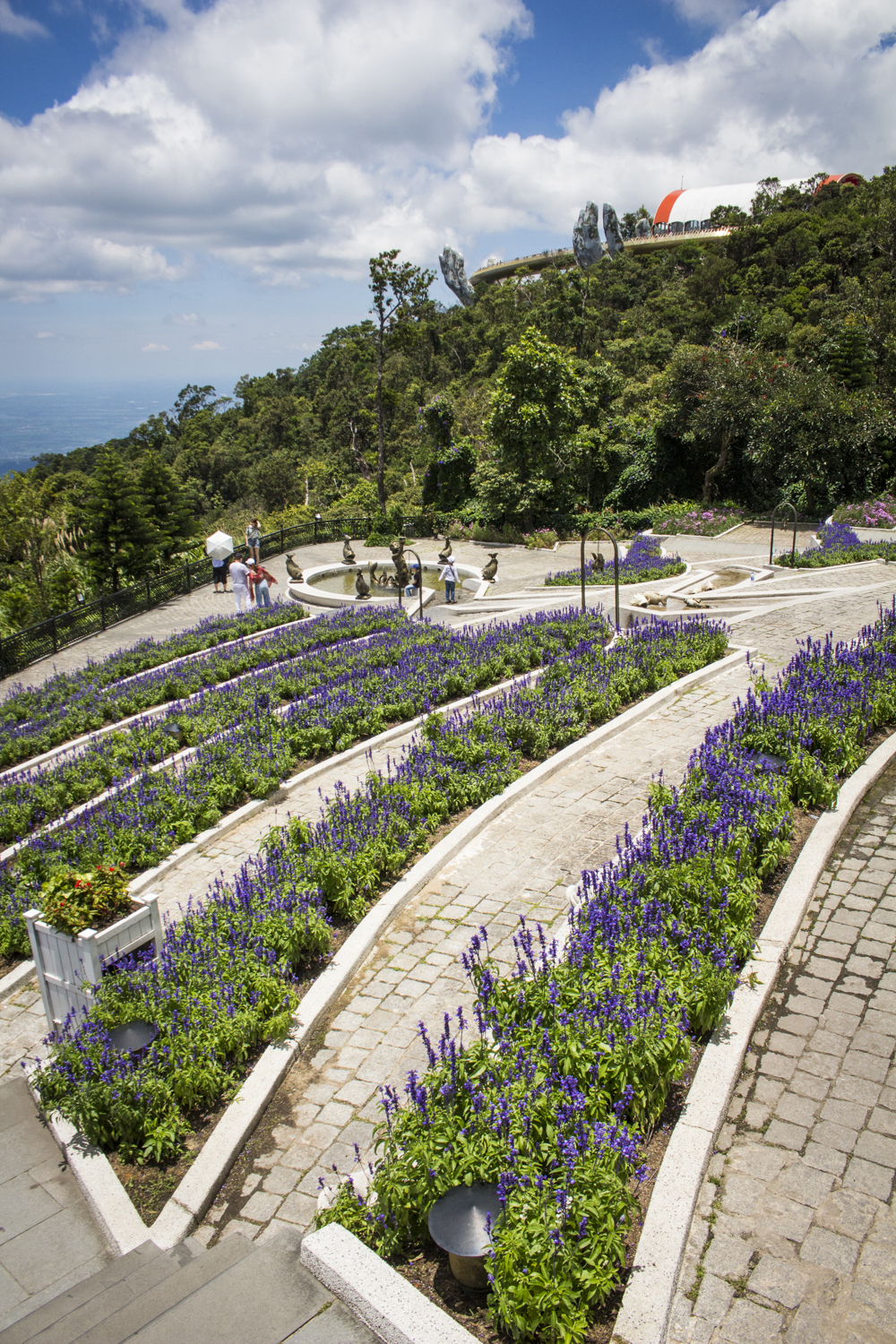
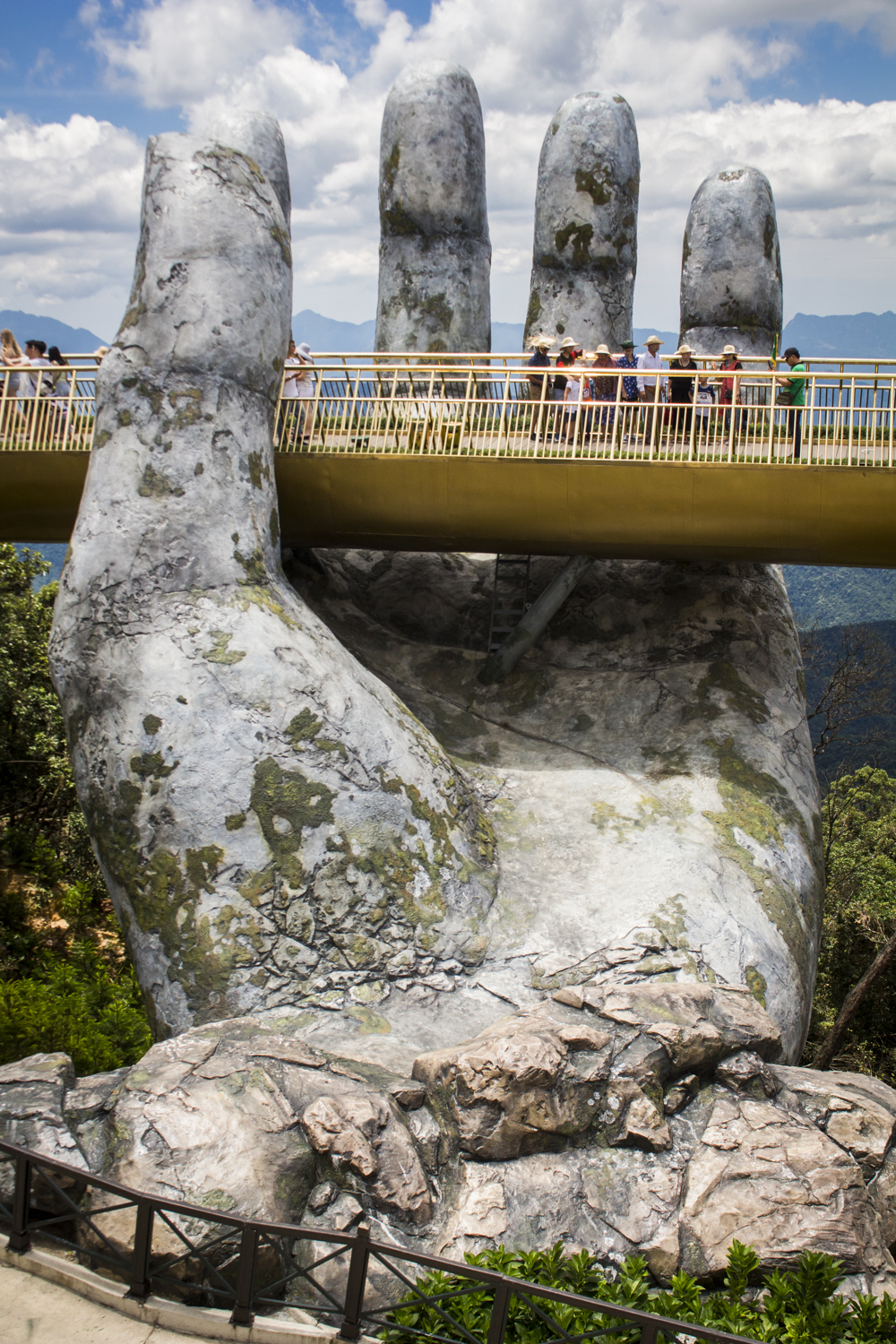
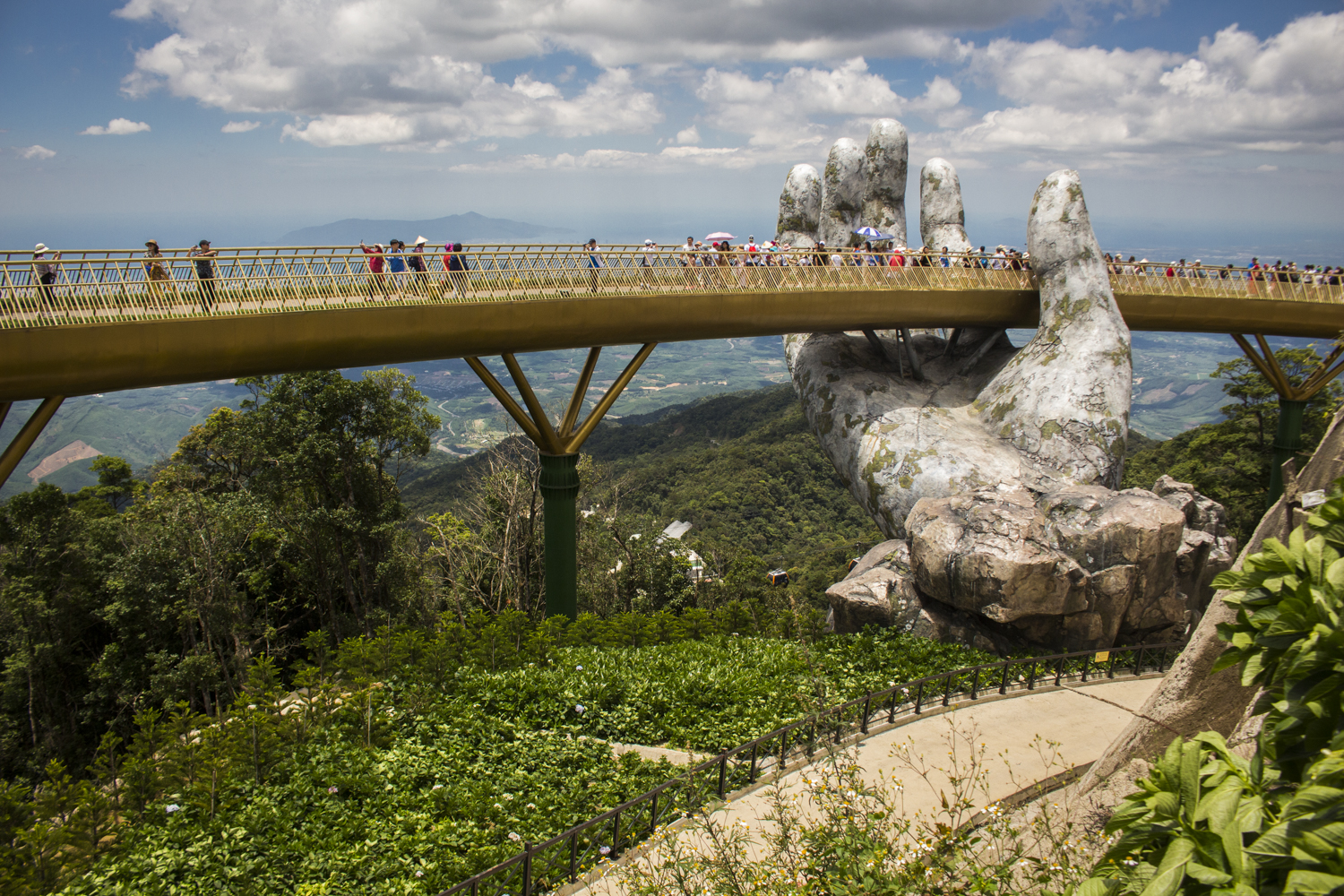
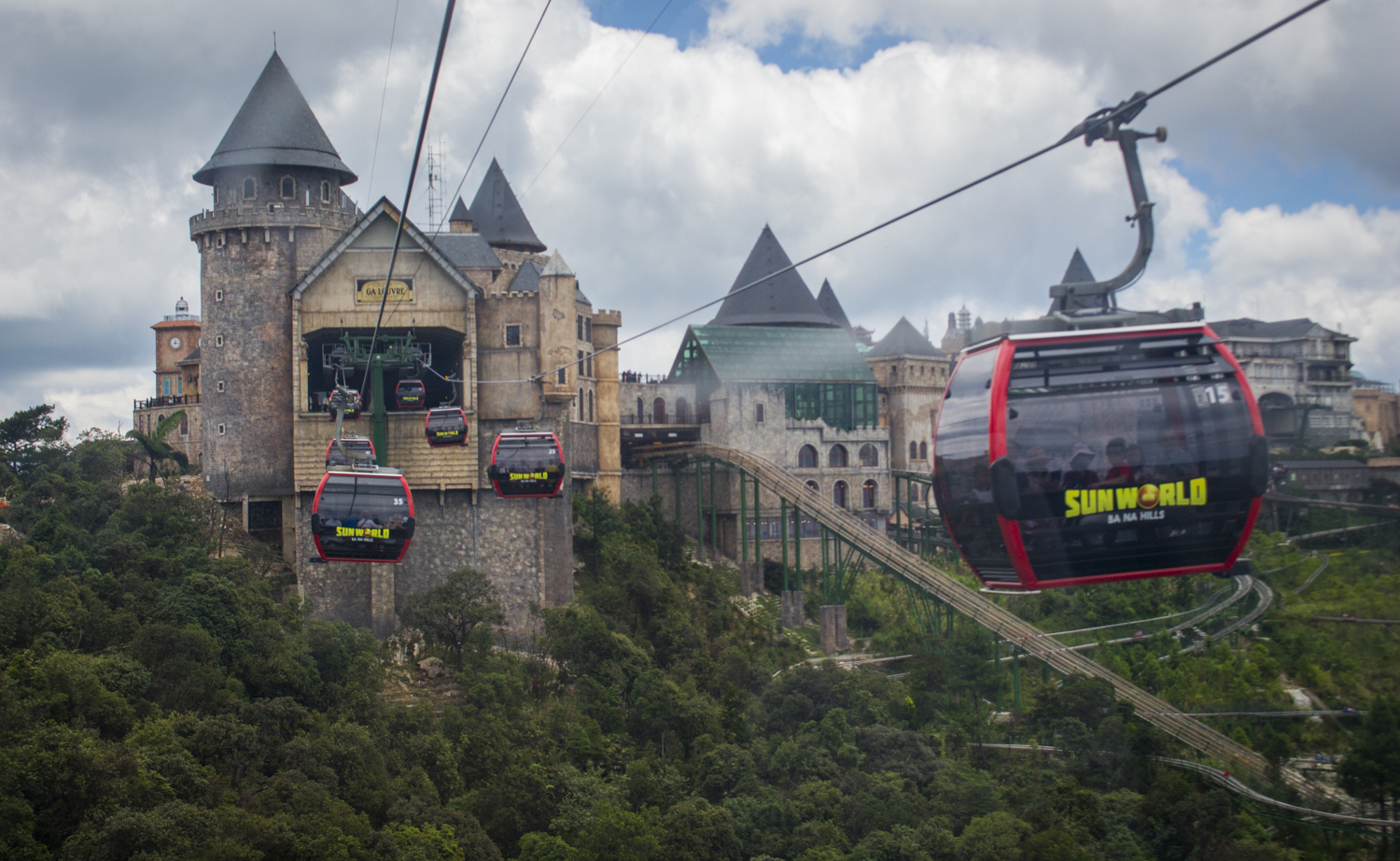
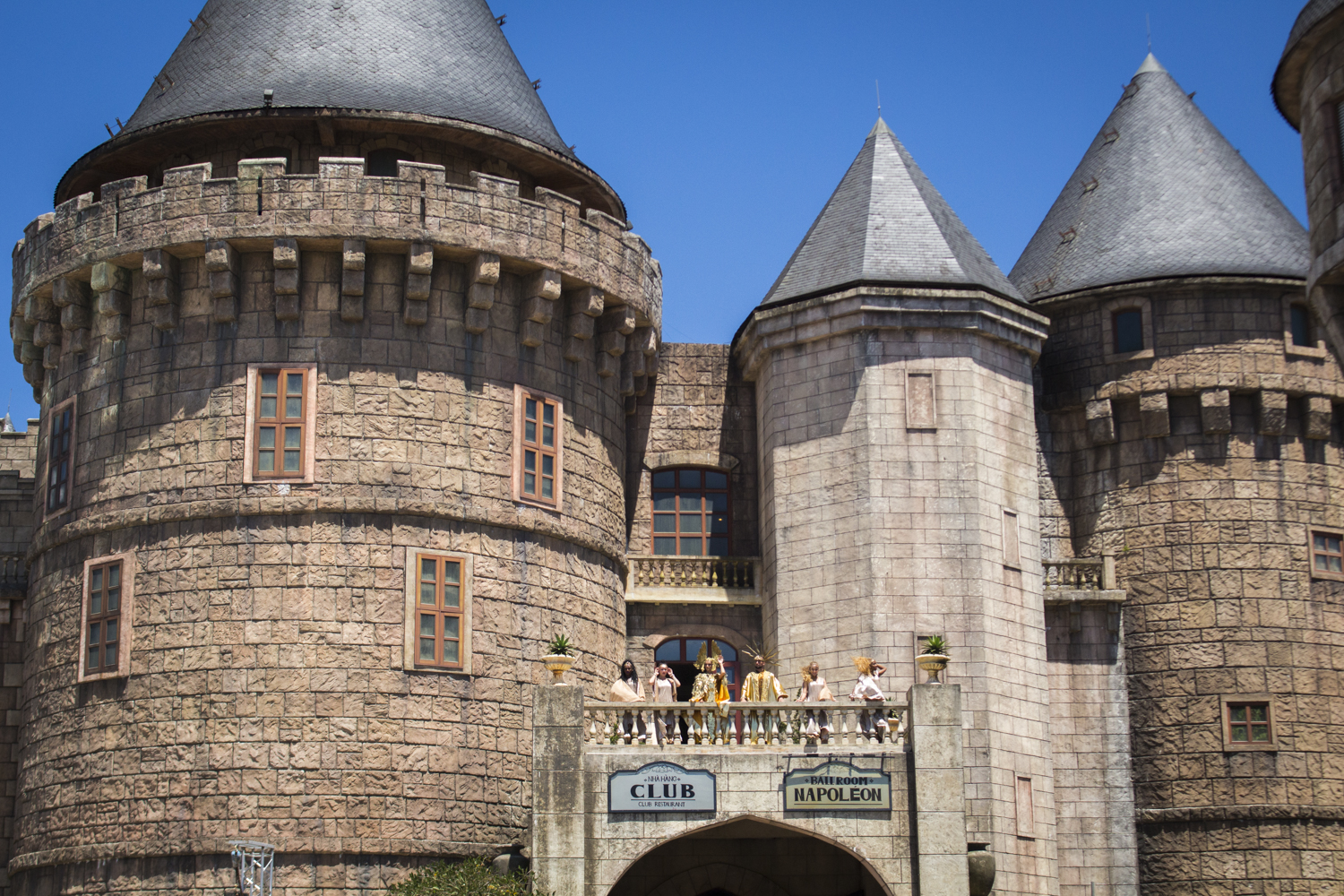
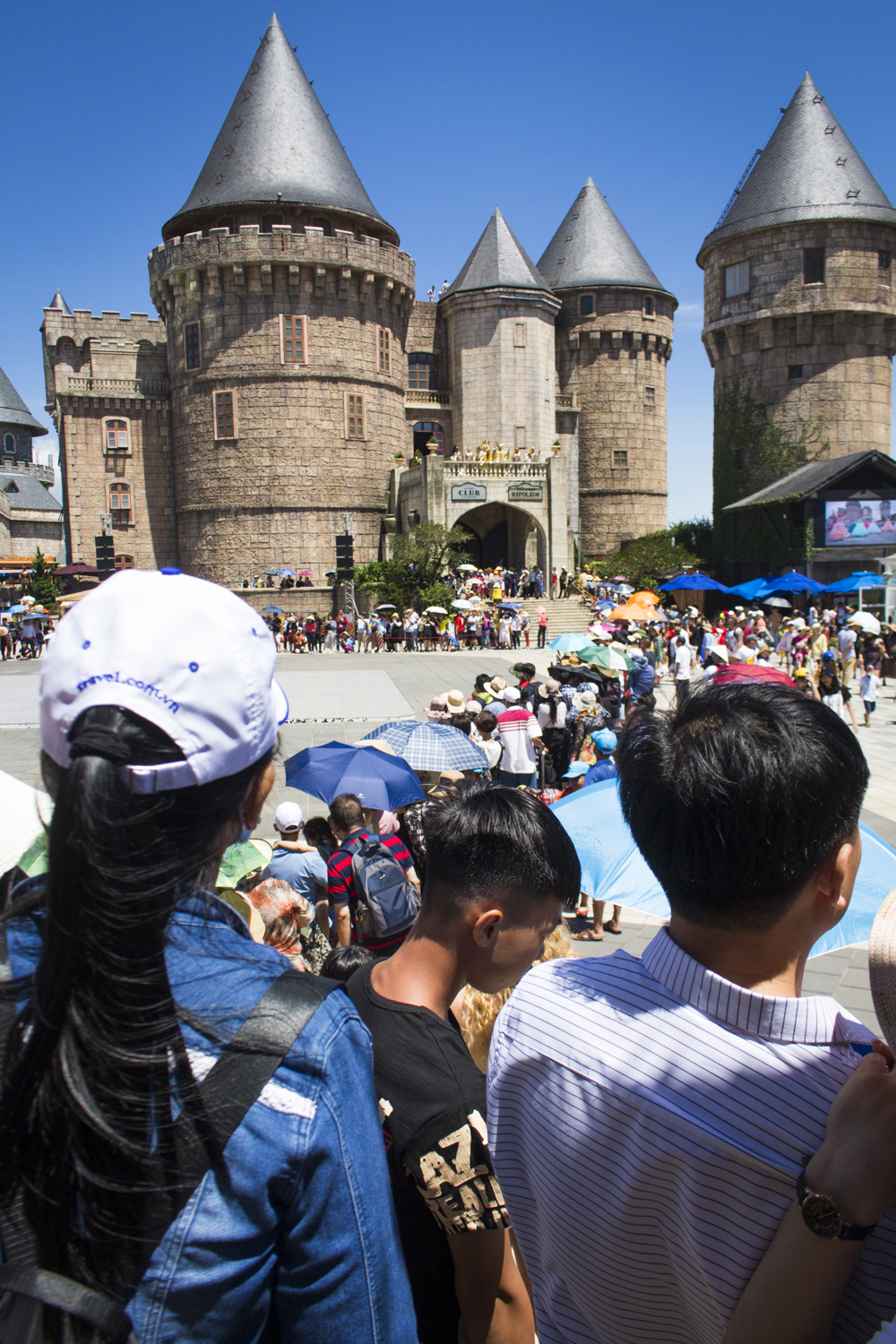
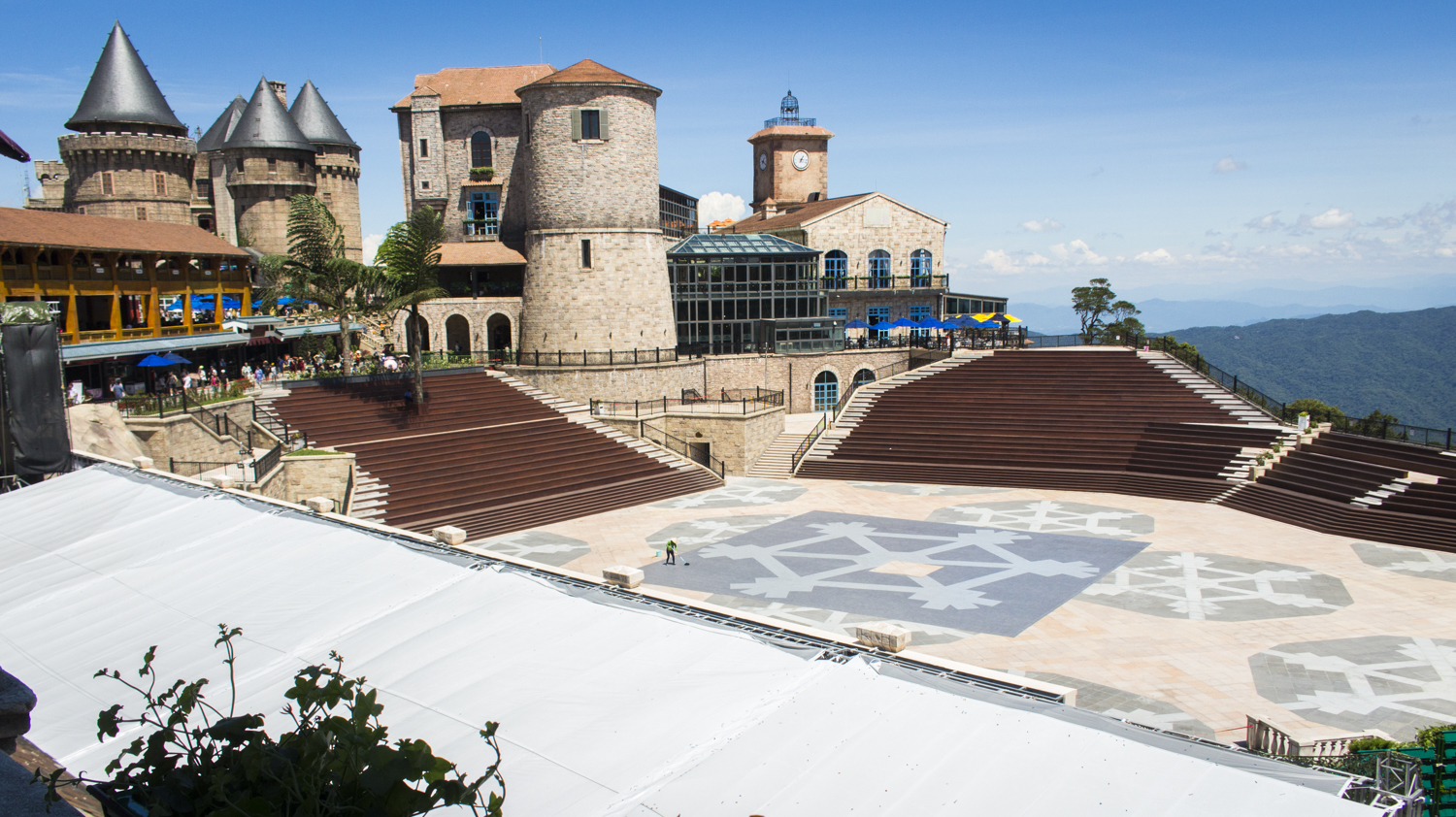
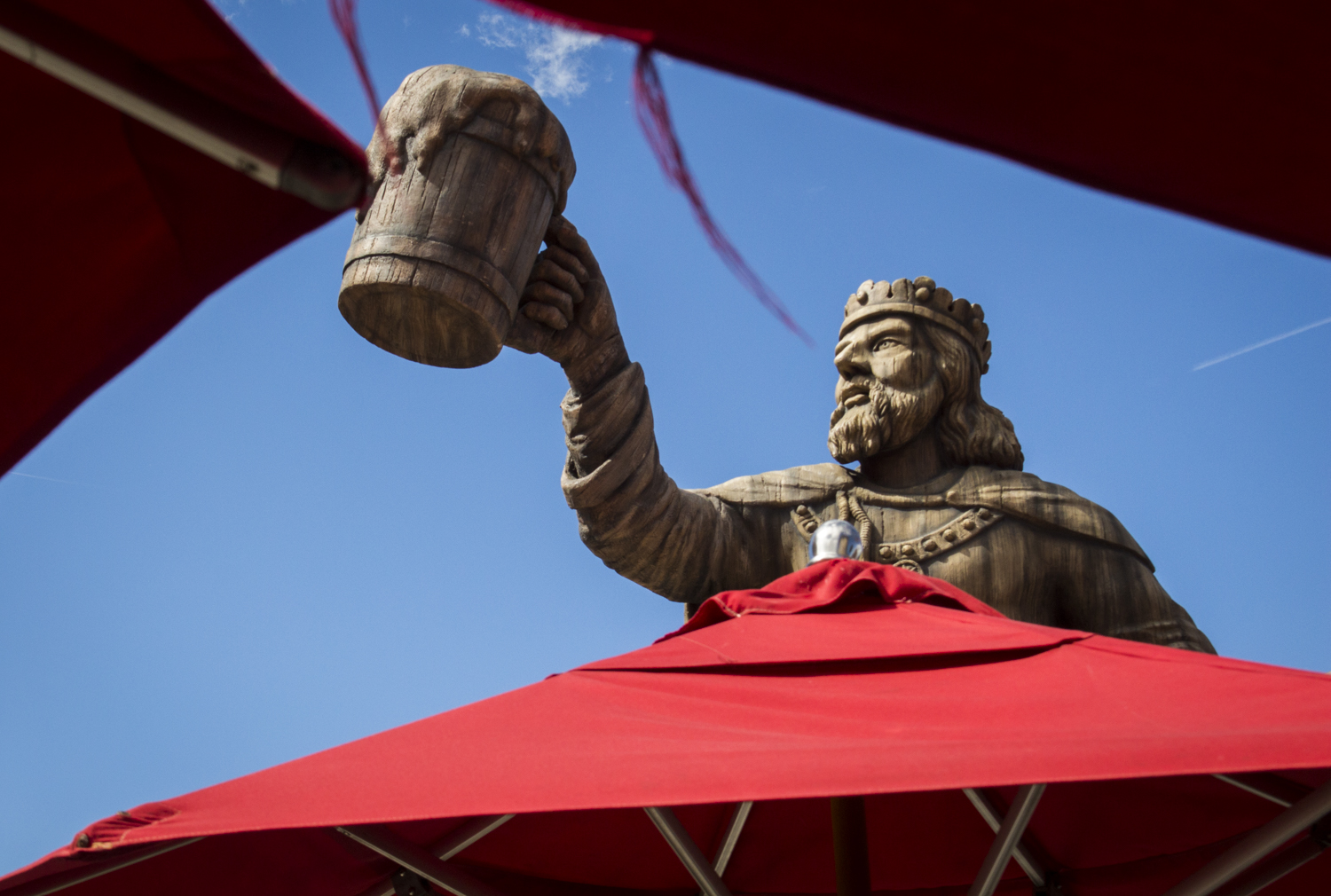
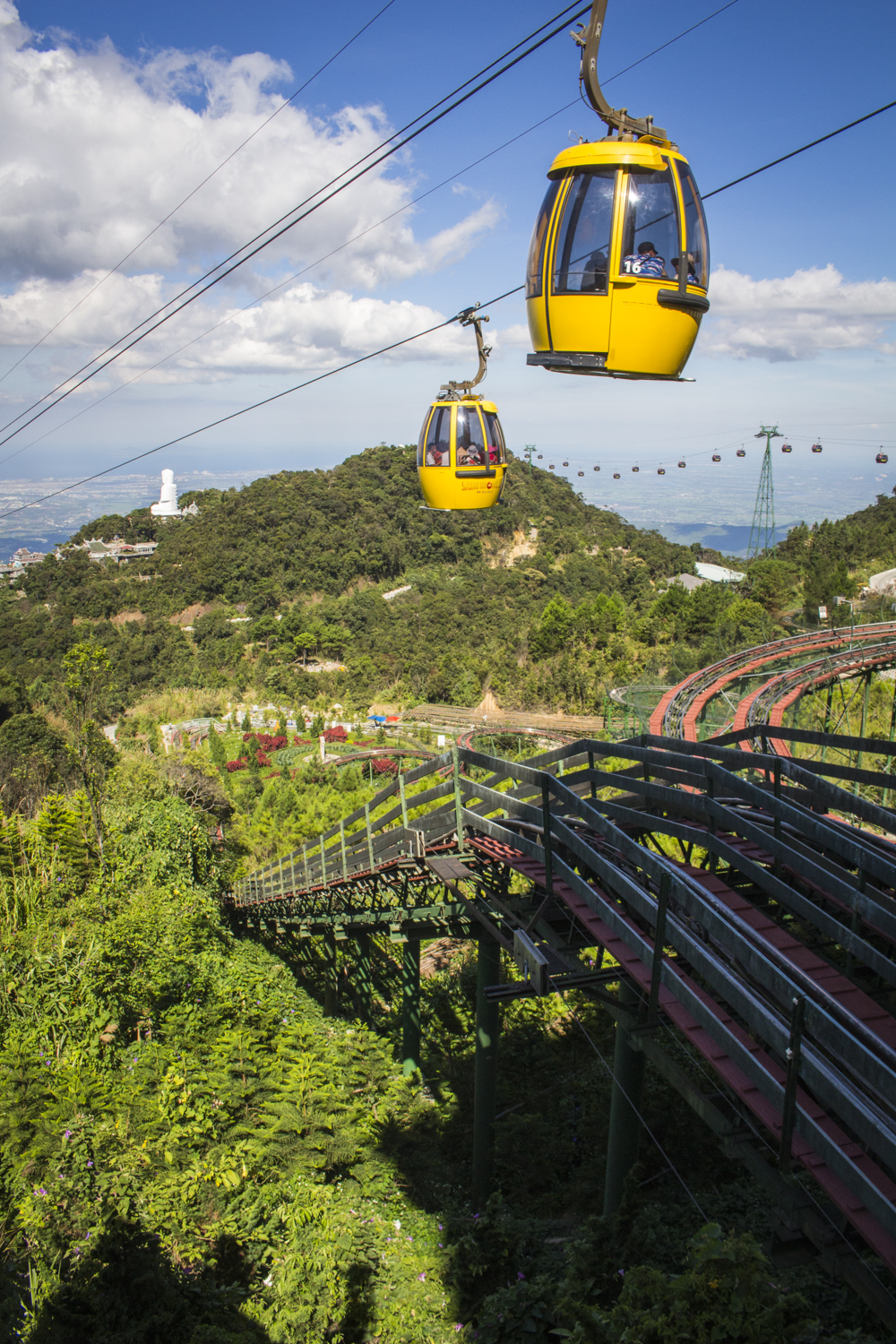
I’ve been asked what I thought about Ba Na Hills and stumbled. A century ago, French colonists chose the site in the Truong Son Mountains to build a resort for its tourist brethren. Fifteen-hundred meters above sea level meant both jaw-dropping views of the eastern terrain and more temperate conditions for lounging. The good news today is that all nationalities are welcome and the area’s natural grandeur hasn’t changed. The modern take on whatever villas used to sit atop the mountain, however, isn’t exactly regal. It is, in my view, a third-rate Disney dressed in 19th century Europe. Mini rollercoaster. Gothic cathedral. Wax museum. German beer garden. It’s an odd mix and a hard sell. I would recommend it though, if just to witness what’s possible on a mountain top. The 20-minute cable-car ride up can’t help but be impressive; the Golden Bridge too with its monstrous hand supports. There are sights here that scream Instagram. Sun World screams too. The entertainment brand of the corporation responsible for the park has its logo splashed left and right, doing nothing to suspend disbelief. But there’s always Marble Mountain.
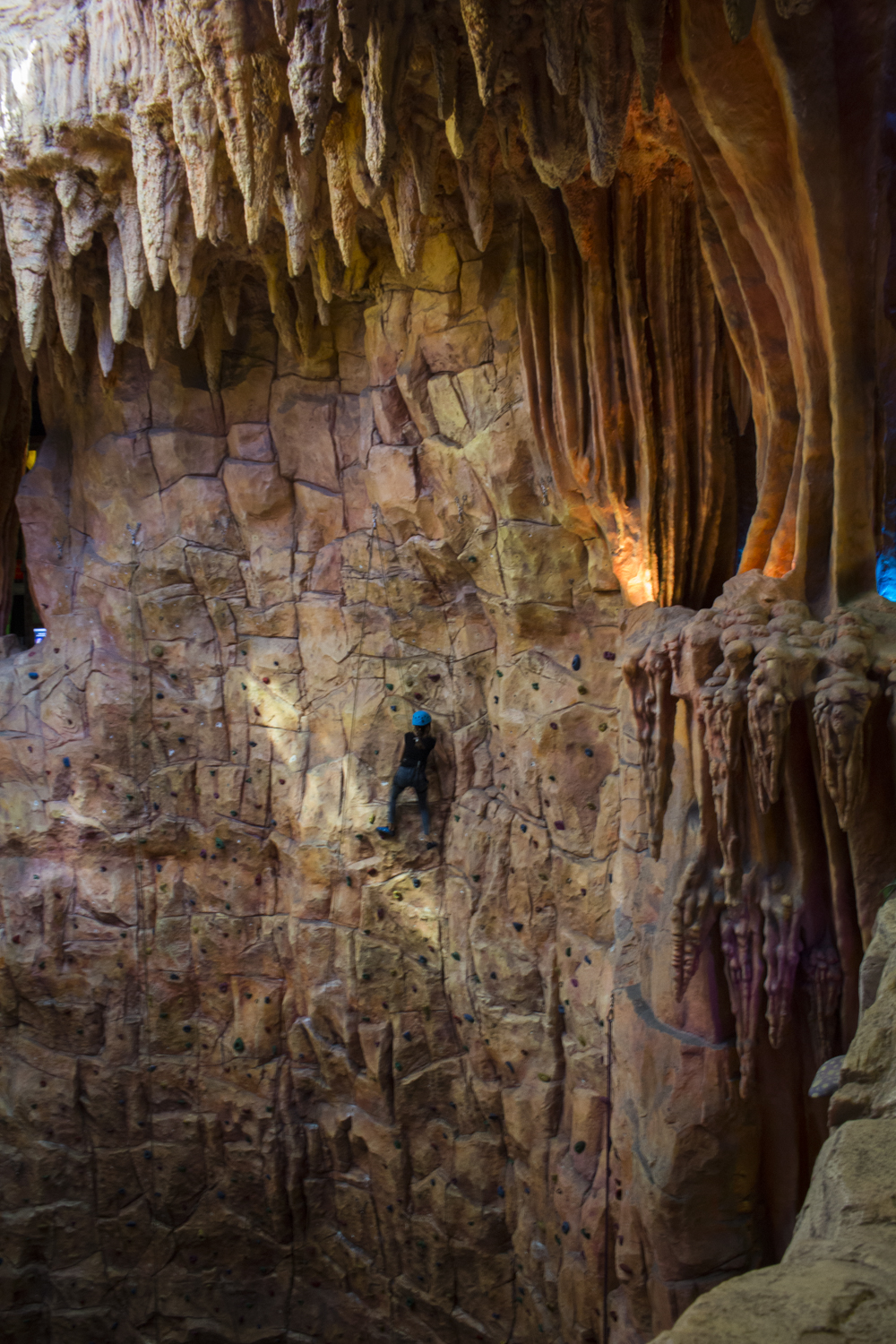
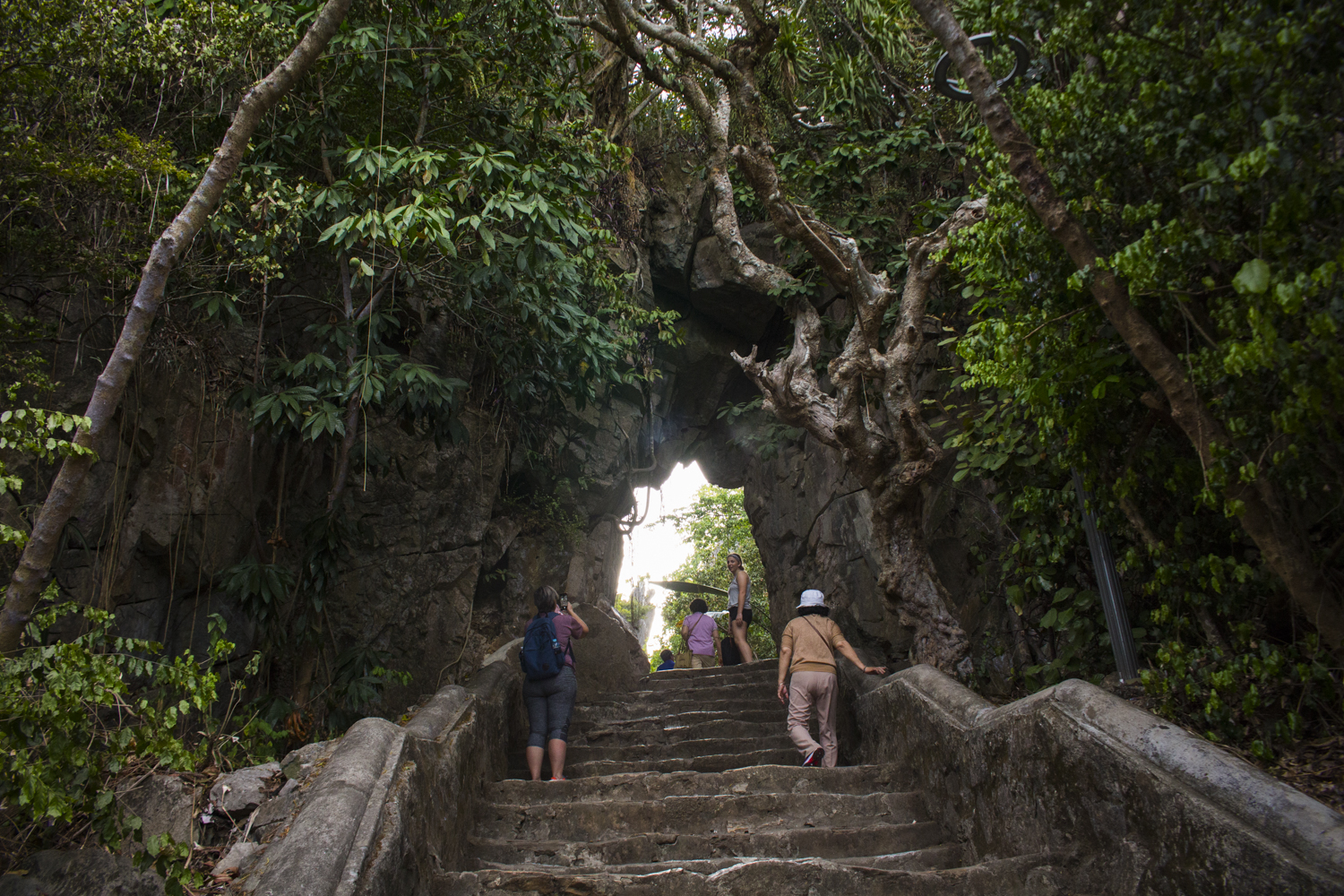
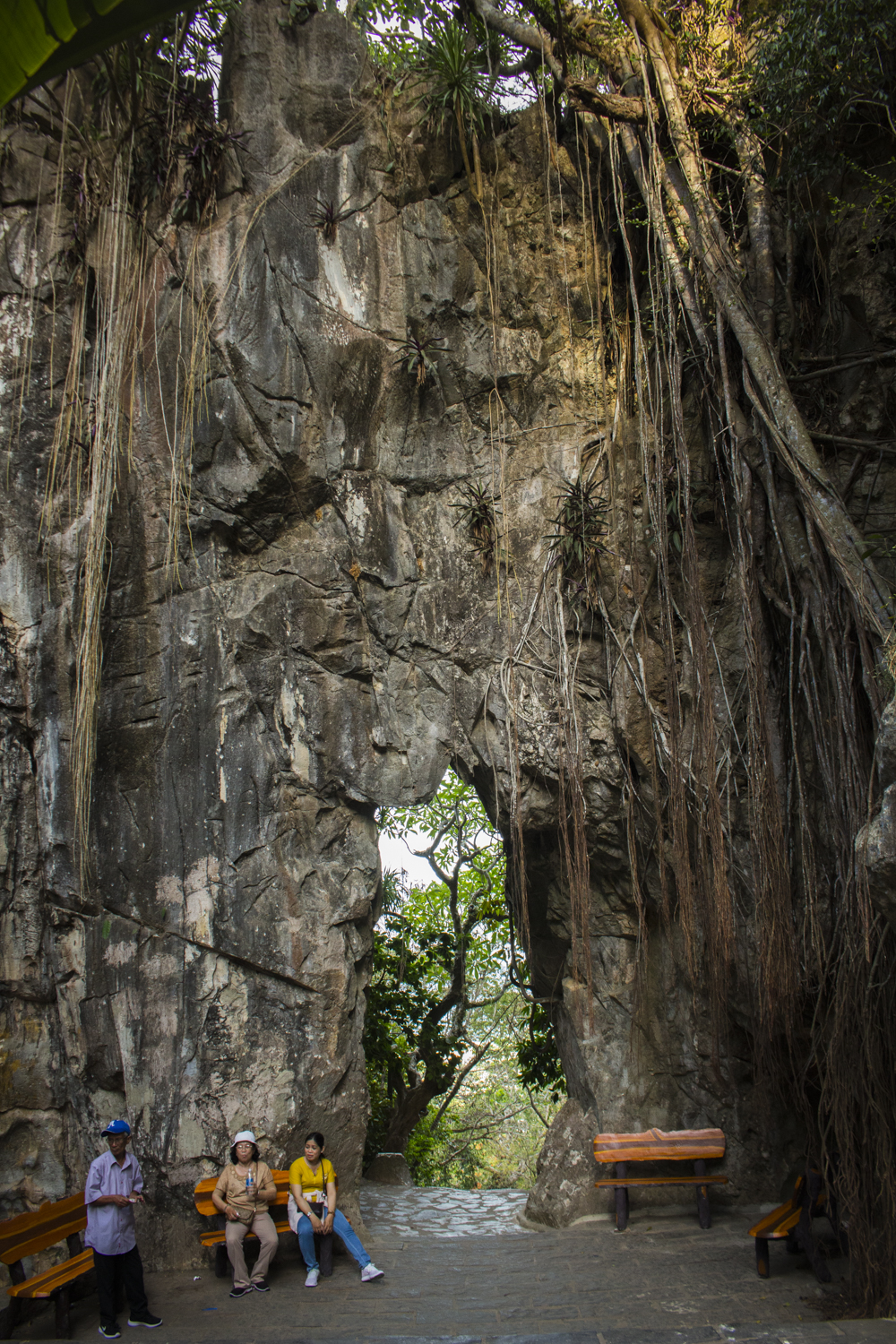
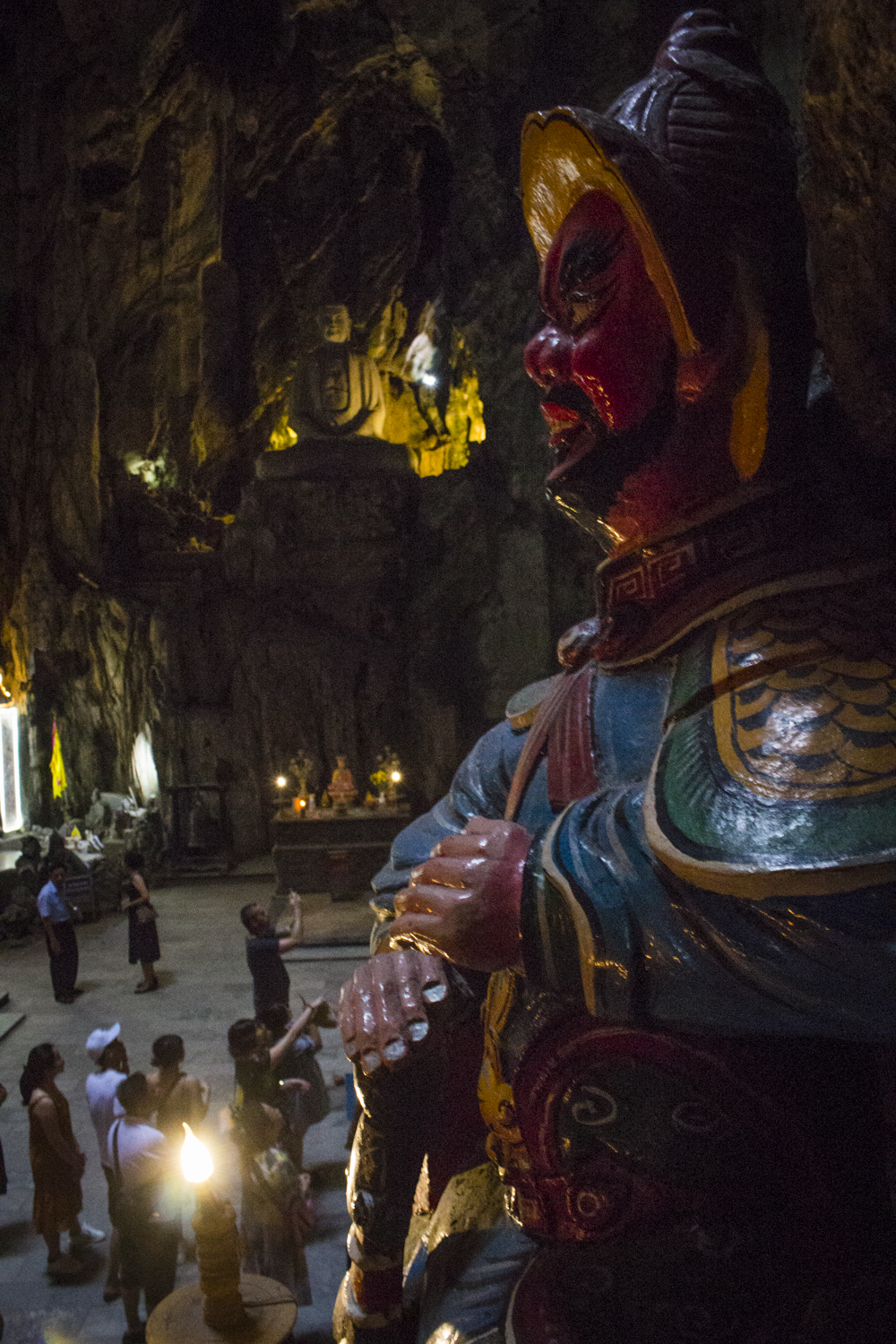
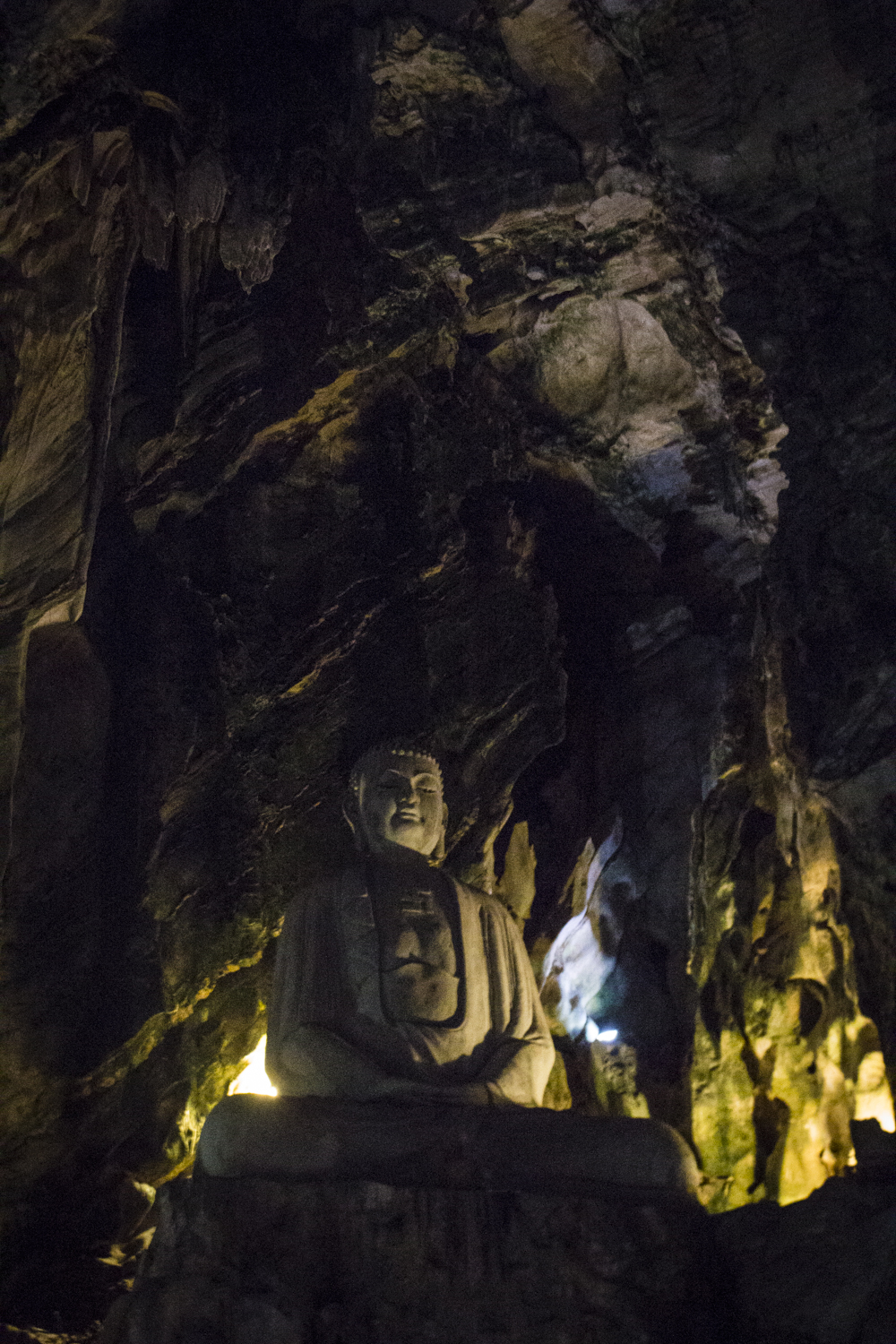
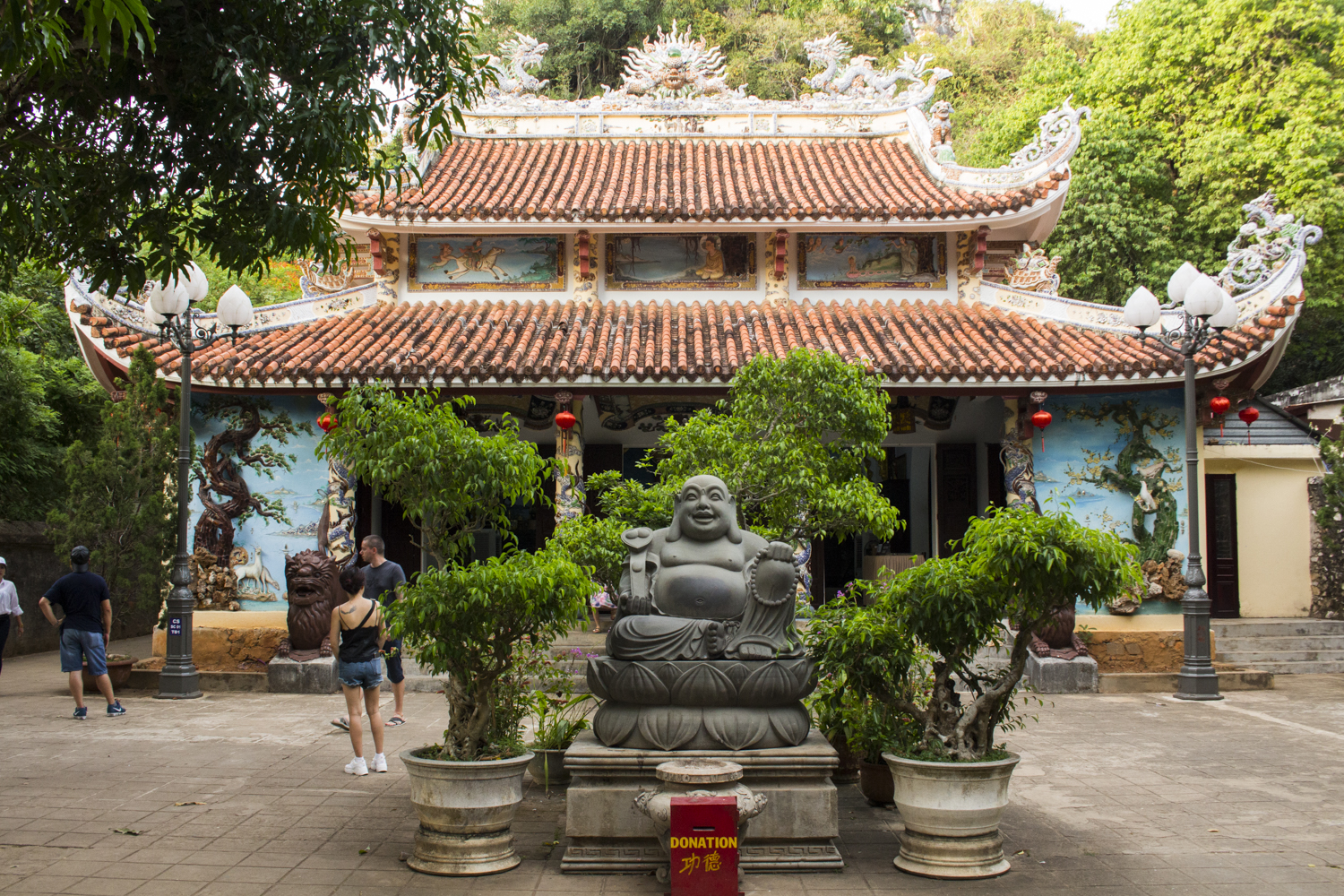
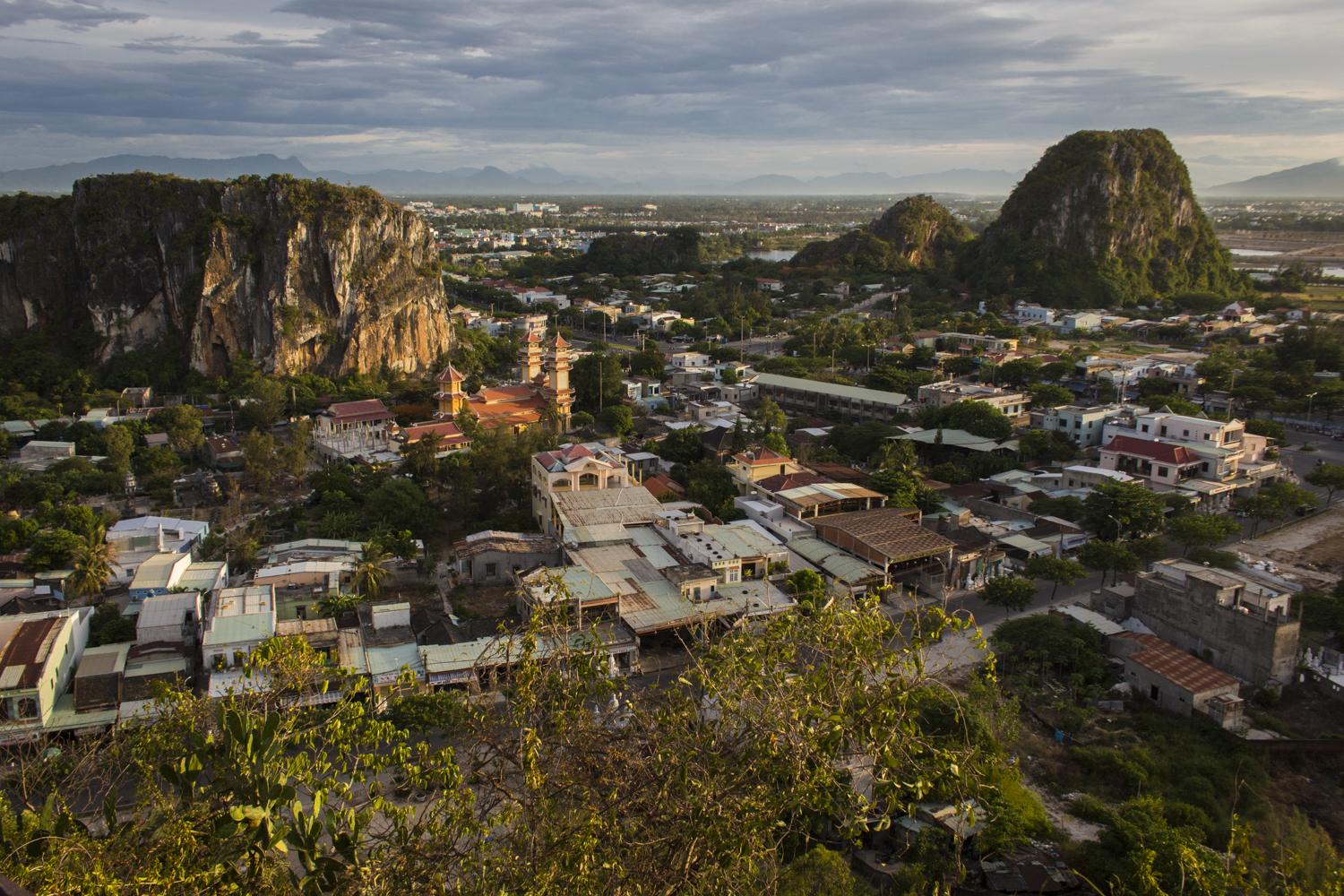
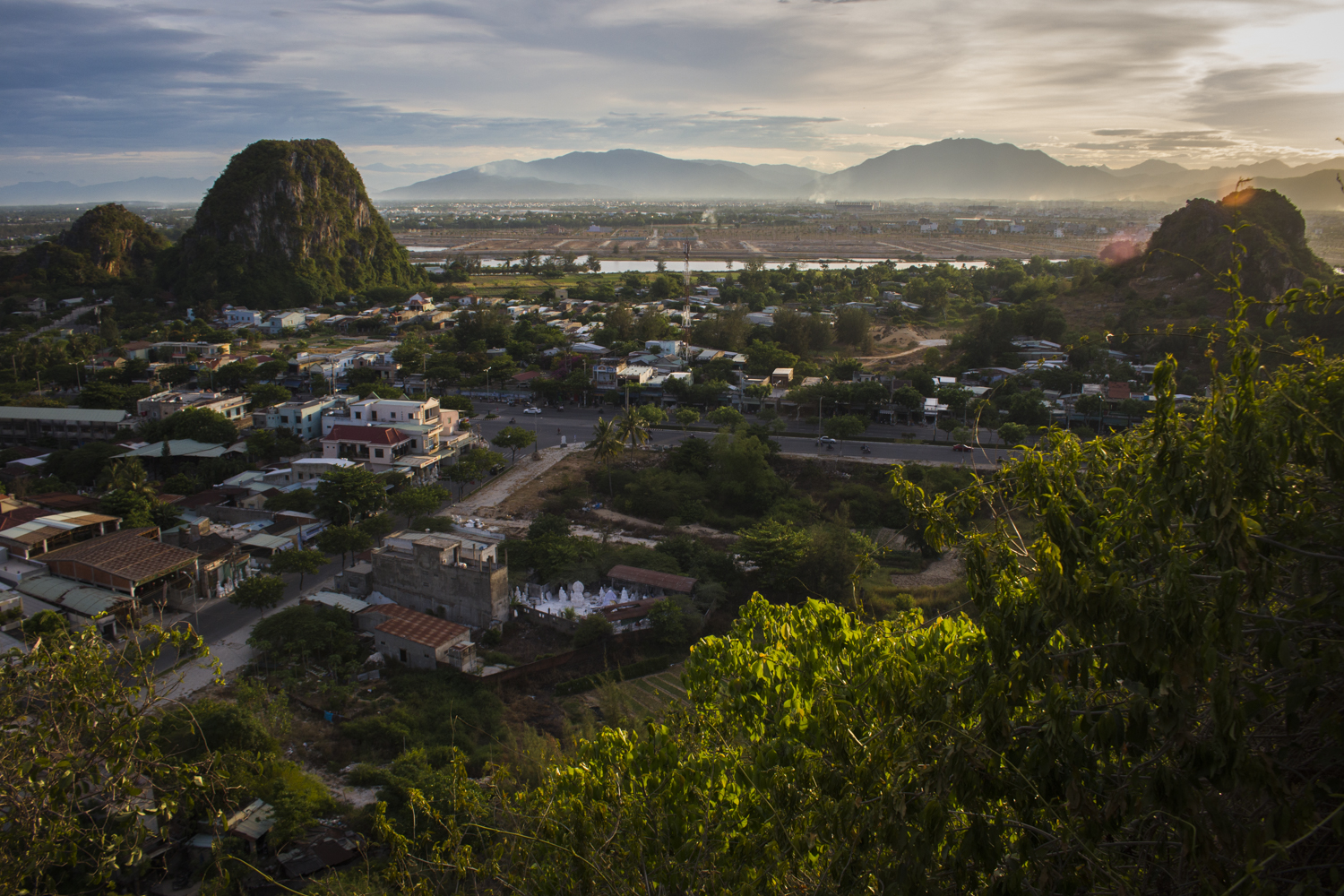
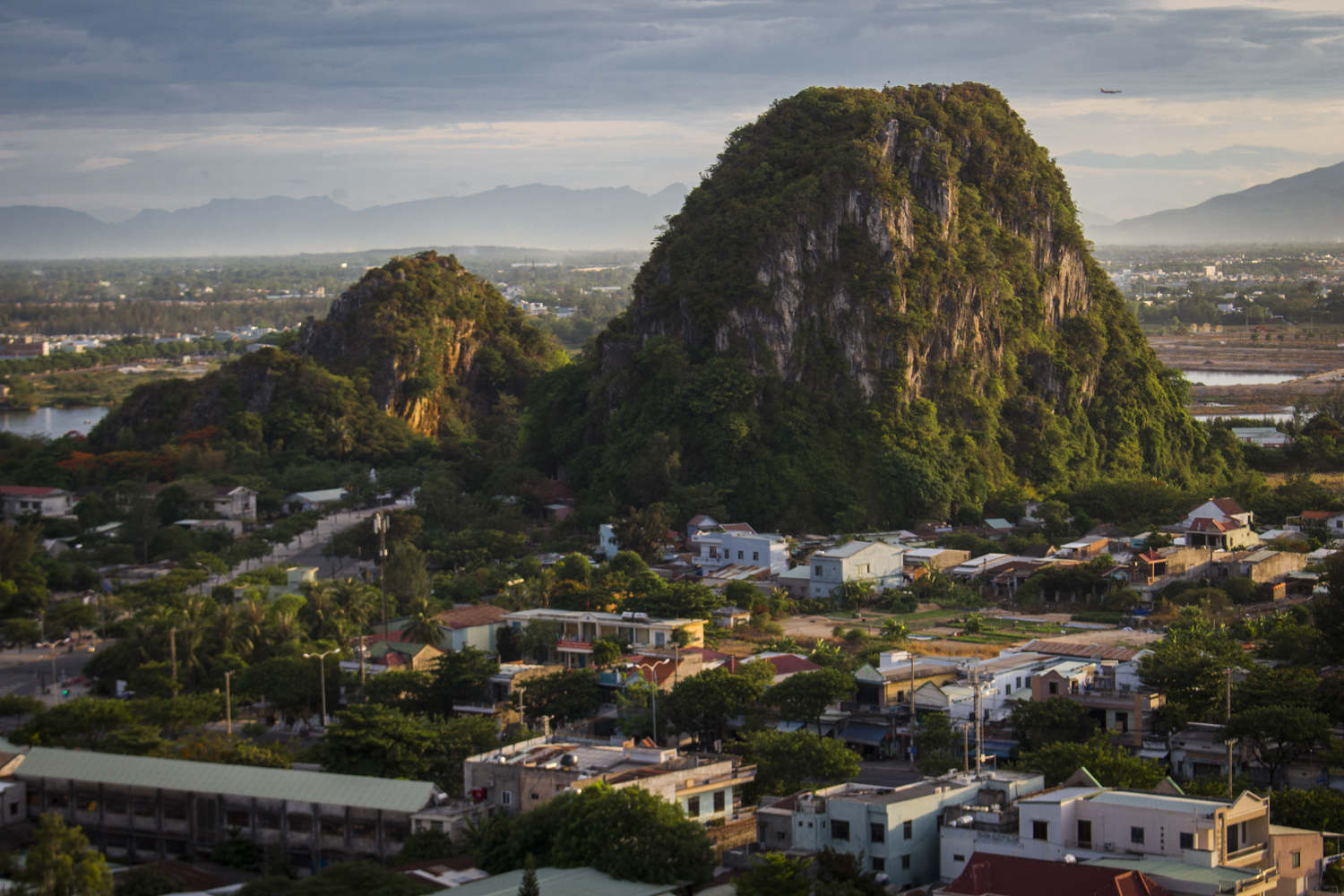
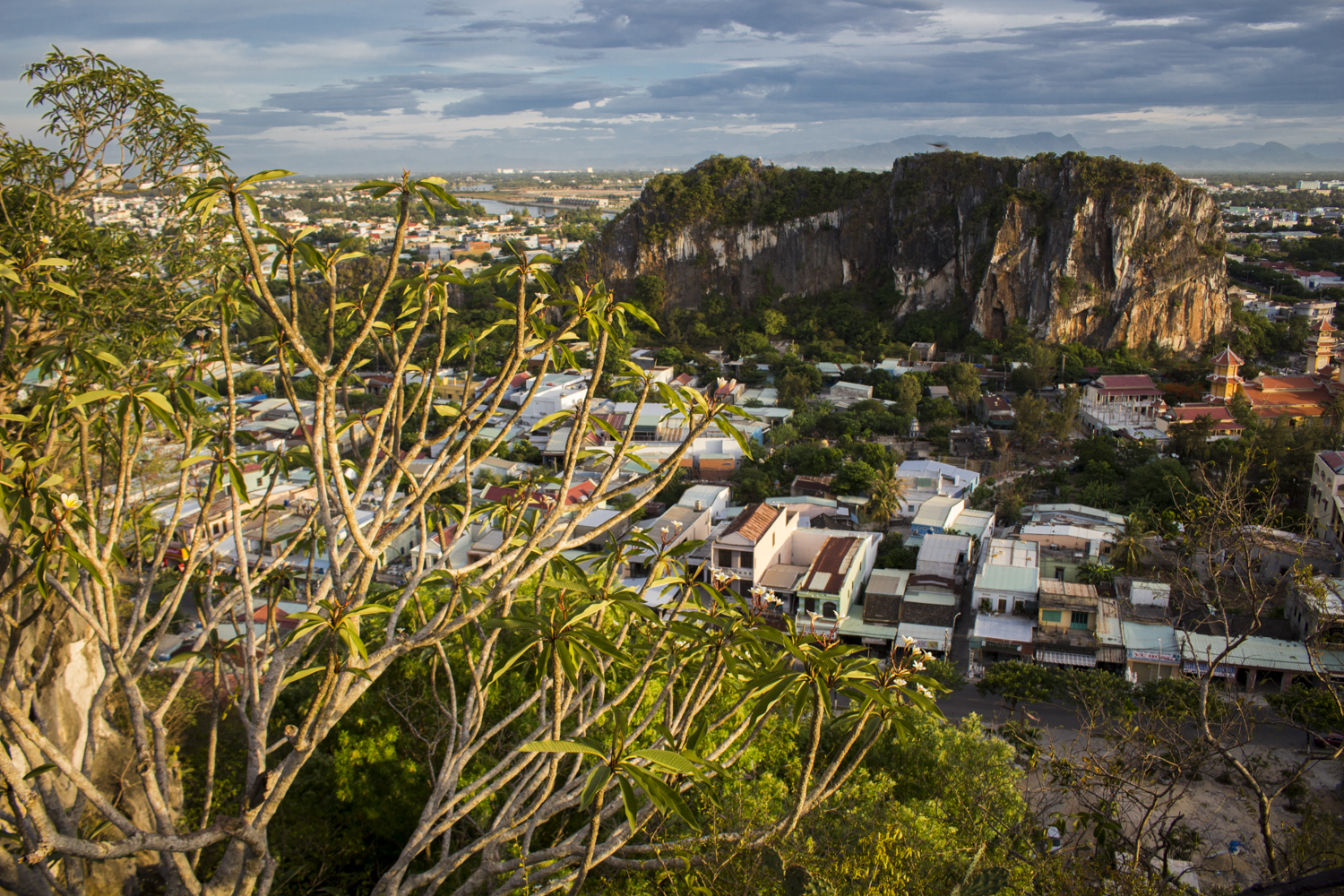
Mountains plural in fact and not far from my earlier swim at My Khe. There are five of these marble-limestone hunks and each identified with substances of the natural world: earth, wood, fire, water and metal/gold. I’d signed on for a half-day tour of both these and the former centuries-old trading port Hoi An on my last day, sites I wouldn’t advise crunching together. Hitting the water mountain (Thuy Son) first, late in the afternoon, supplied that perfect golden light, magical in a place that includes prayer shrines, rock-cut archways and caves, but everything was tight to the clock. By the time we’d arrived in Hoi An it was dark but not enough to hide the appeal as the narrow streets, shops and a waterway I’m assuming was the Thu Bon River were dotted in glowing lanterns. It almost feels disingenuous though to say I was there, the way we’d rushed to make the inclusive tour dinner before a brief let-me-show-you-this with the guide, then a final hour on our own. I did set foot on the iconic Japanese Bridge and might have seen one or more of the wooden structures restored since their commercial glory days in the 18th century but I wouldn’t have known it. I spent most of my free time trying to hail a cab back to my guesthouse, recollect my luggage and get to the airport for a midnight flight. I wouldn’t champion that either. The going should be as lazy as the coming.














































 Colin Moore
Love your writing 😊
LikeLike
Thanks Emily, I appreciate it!
LikeLike
Thanks Emily. Appreciate it!
LikeLike
Great post 🙂
LikeLike
Cheers!
LikeLike
Thank you! Hope your passport’s updated!
LikeLike