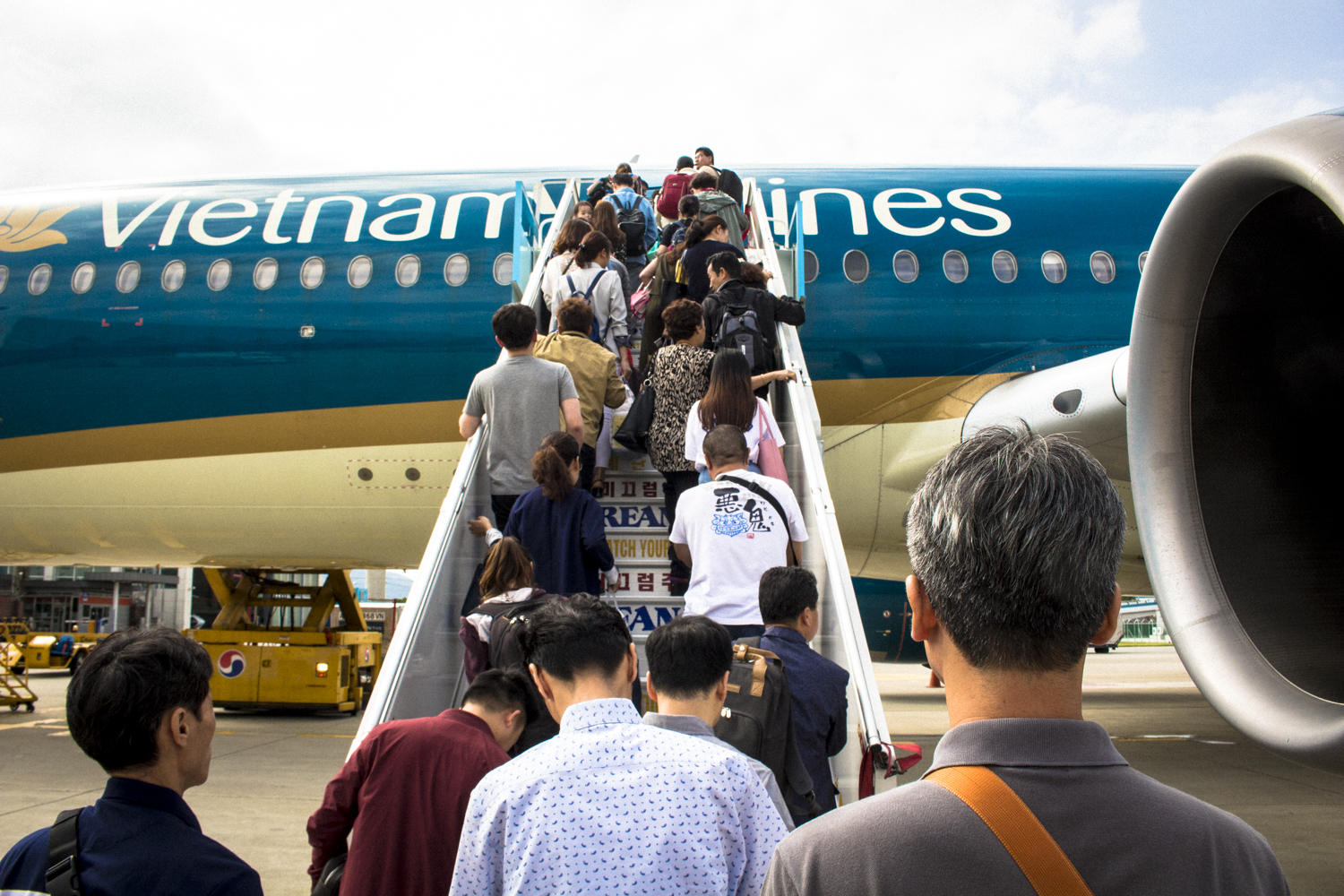
It’s been on the vacation radar for a while, partly motivated by others’ travel photos. The emerald greens and grottos of Halong Bay in the north, the hydro economy of the Mekong Delta to the south. In fact, I wouldn’t make it to either but split my time between Da Nang (the site of the initial U.S. combat landing in ’65) and Ho Chi Minh City (where many of the remaining Americans hightailed it out in ’75). Not that that conflict was the reason why I’d come. Vietnam is more than any war, naturally, but without any context of my own it was hard to separate the nation from its recent history, from the products of Oliver Stone, PBS and the rest.
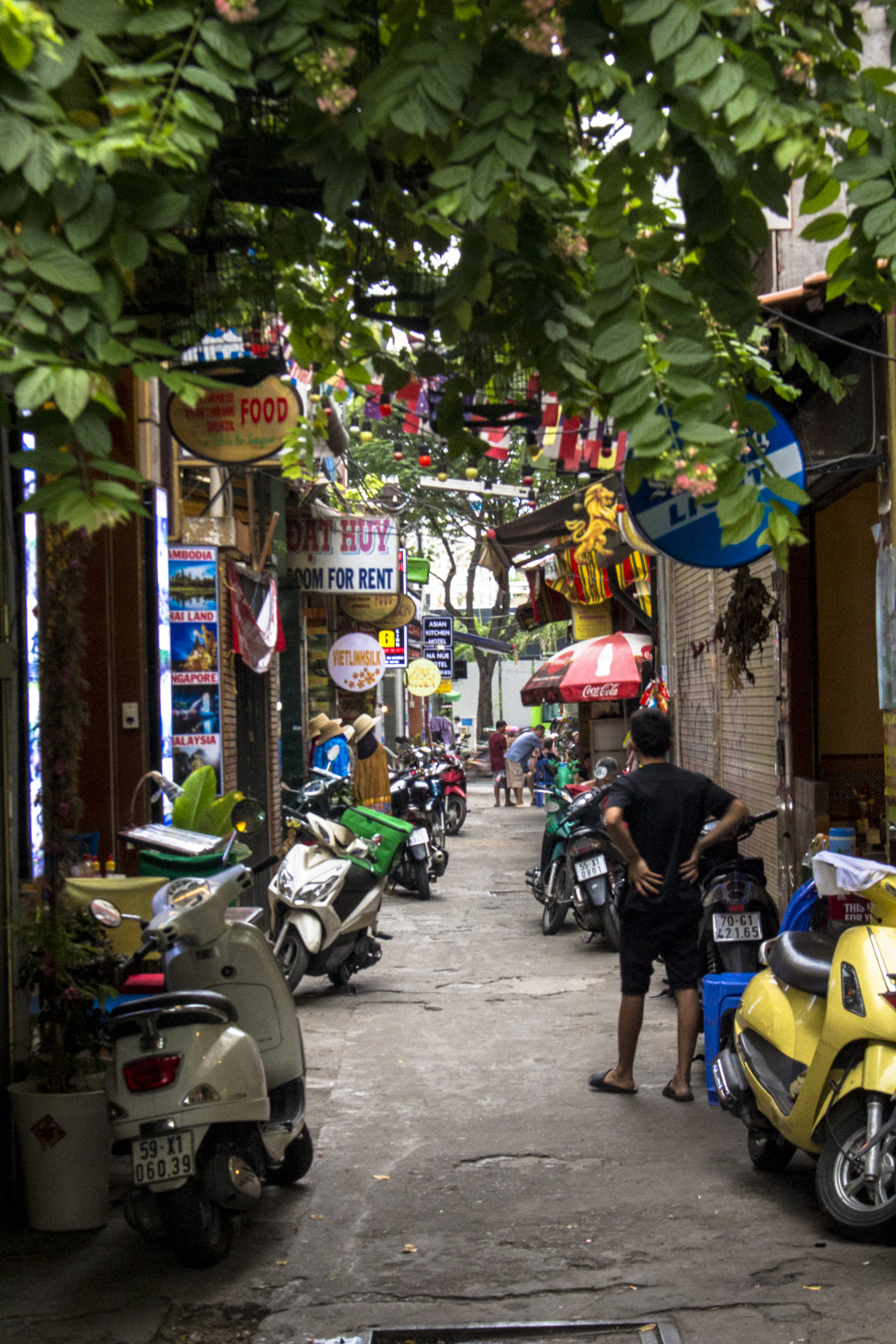
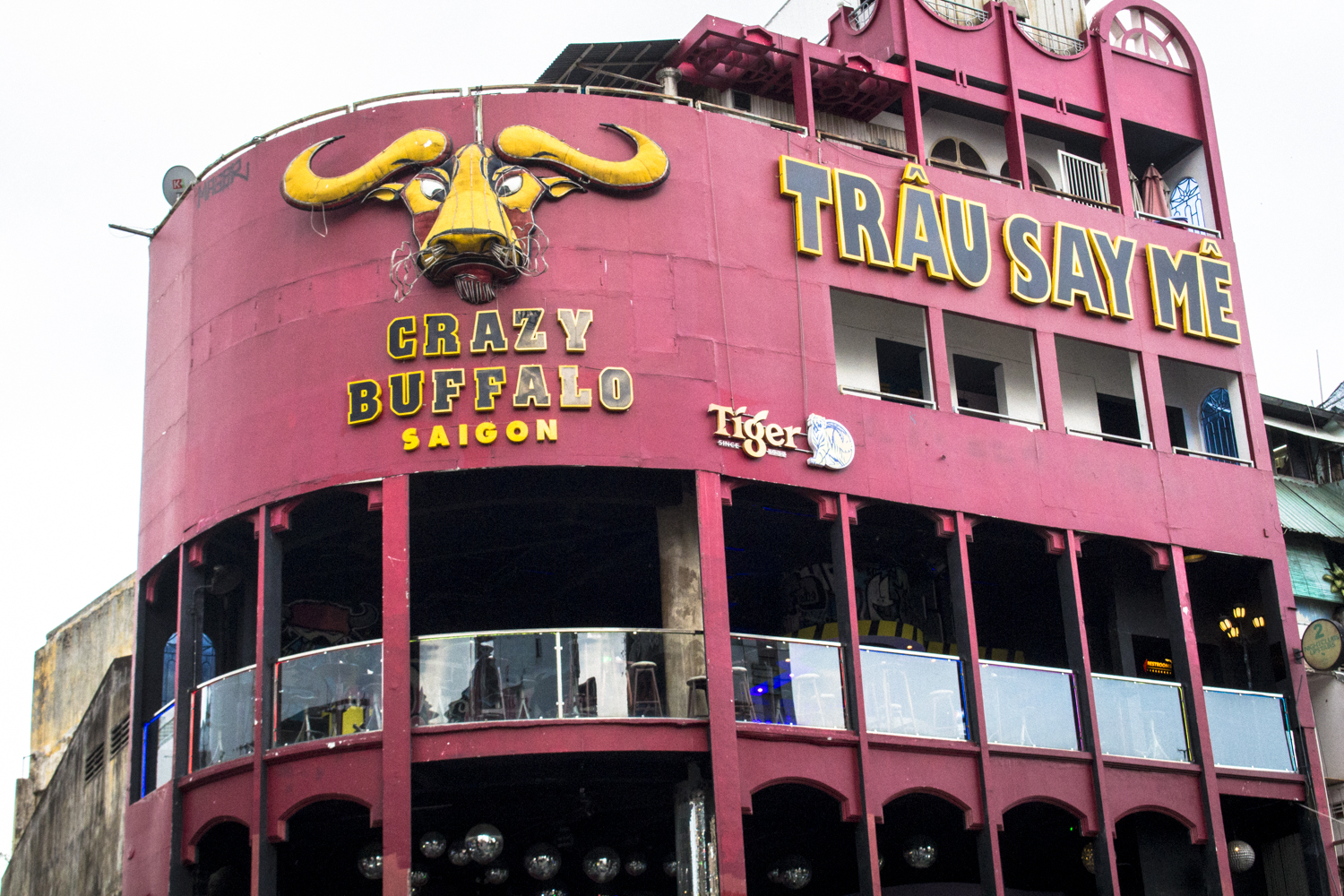
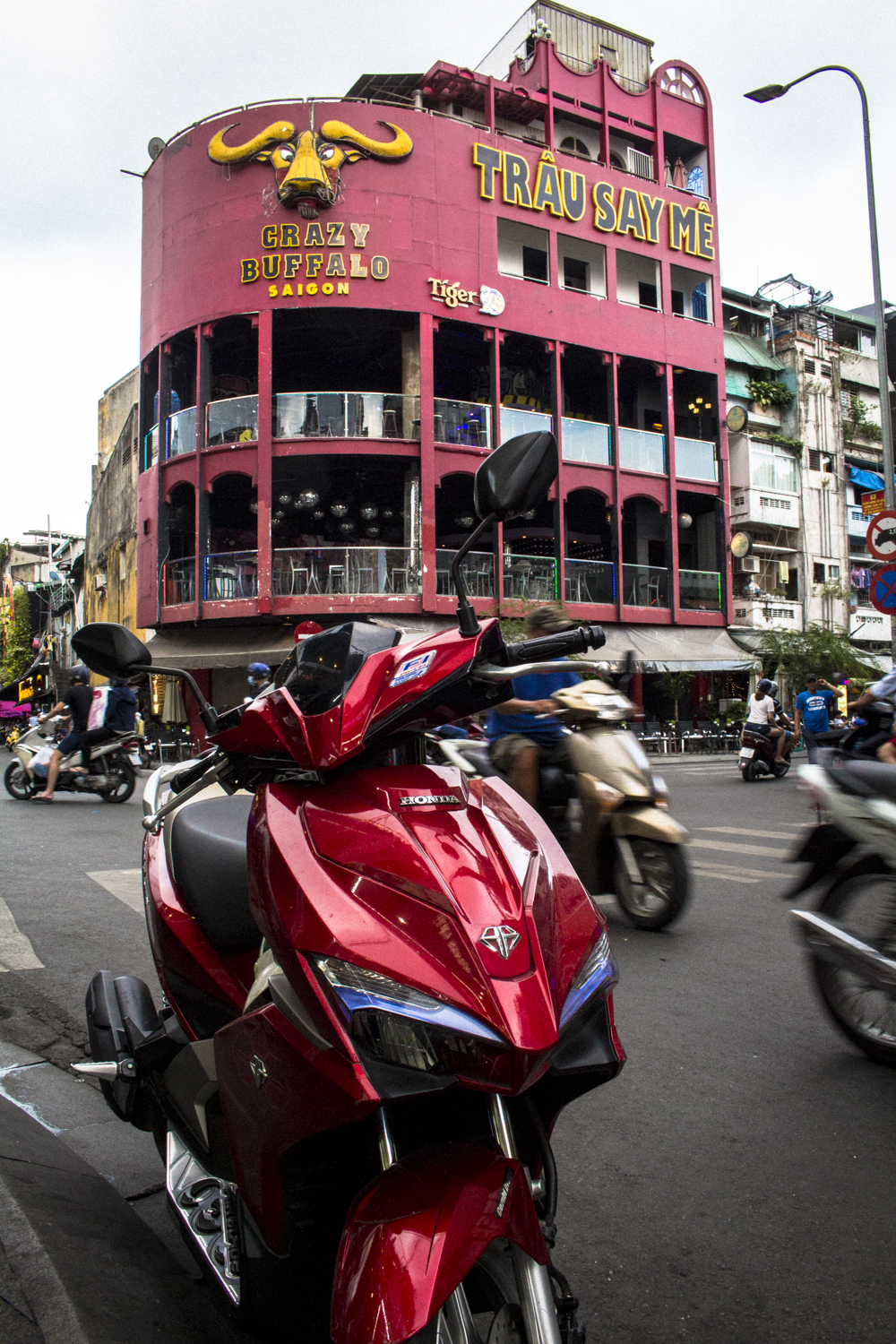
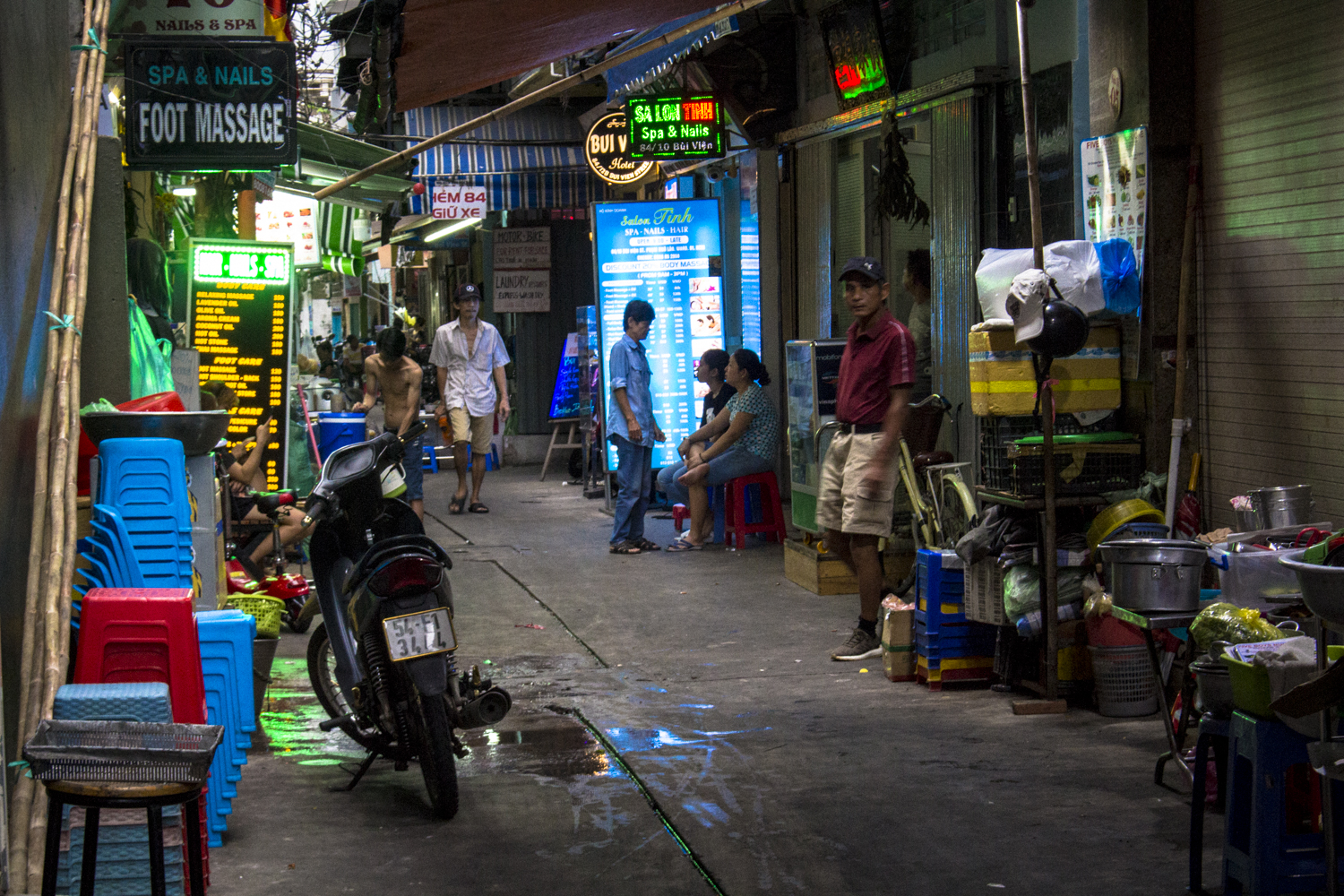
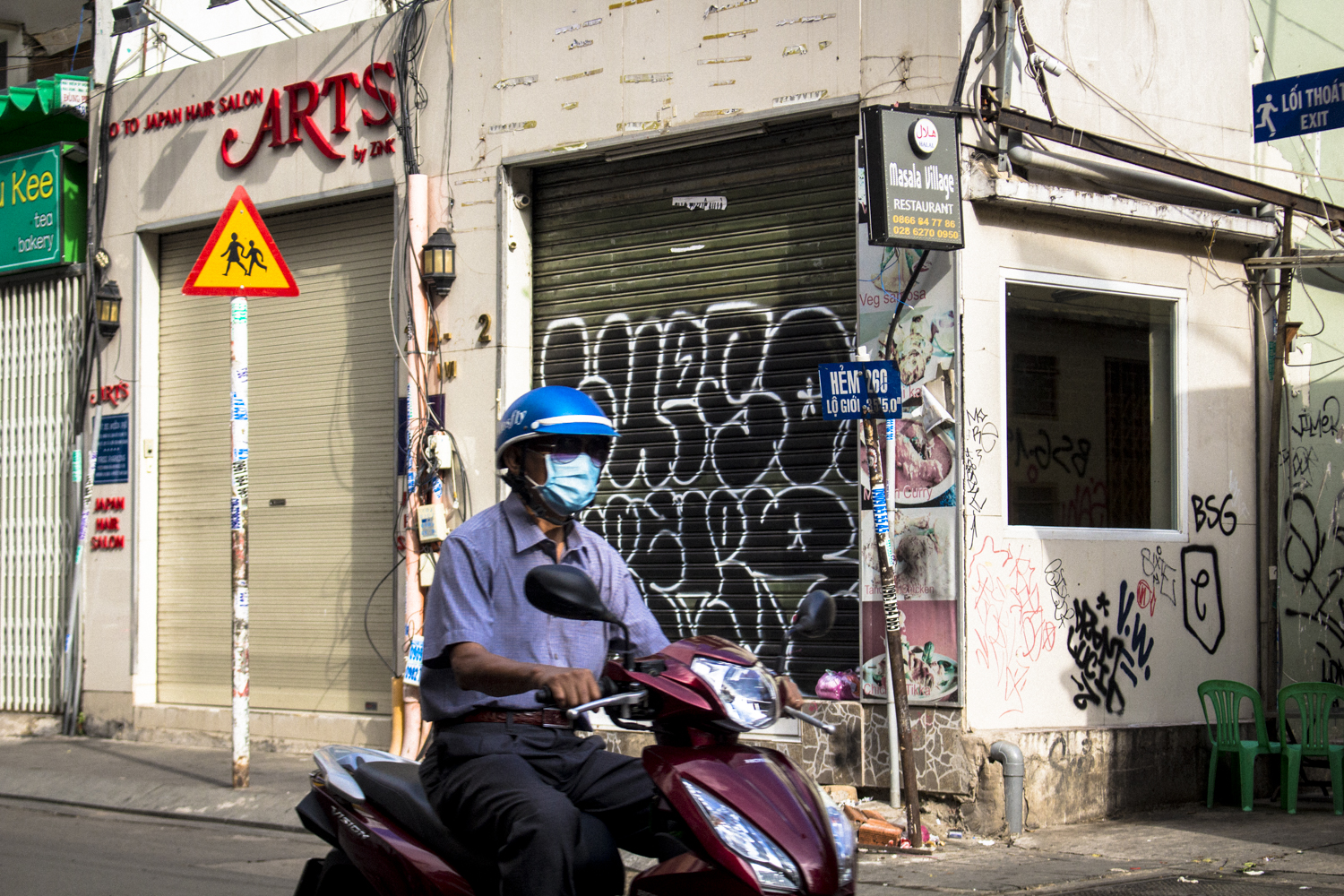
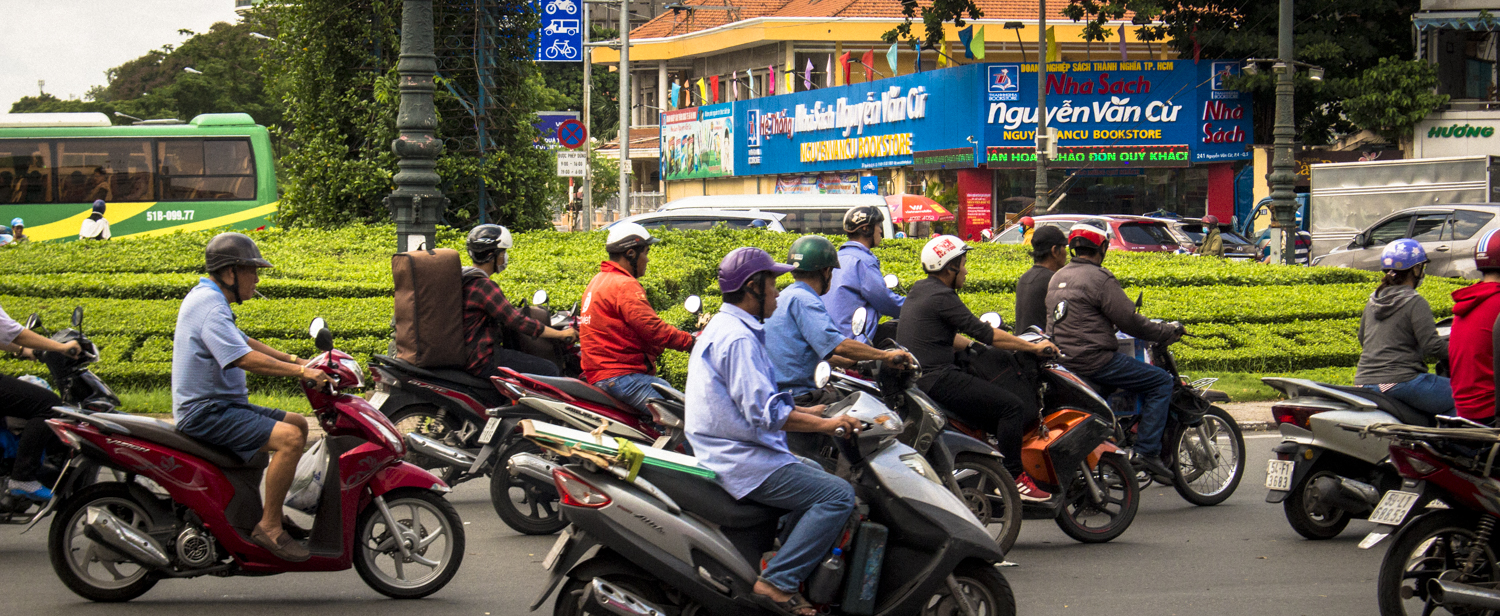
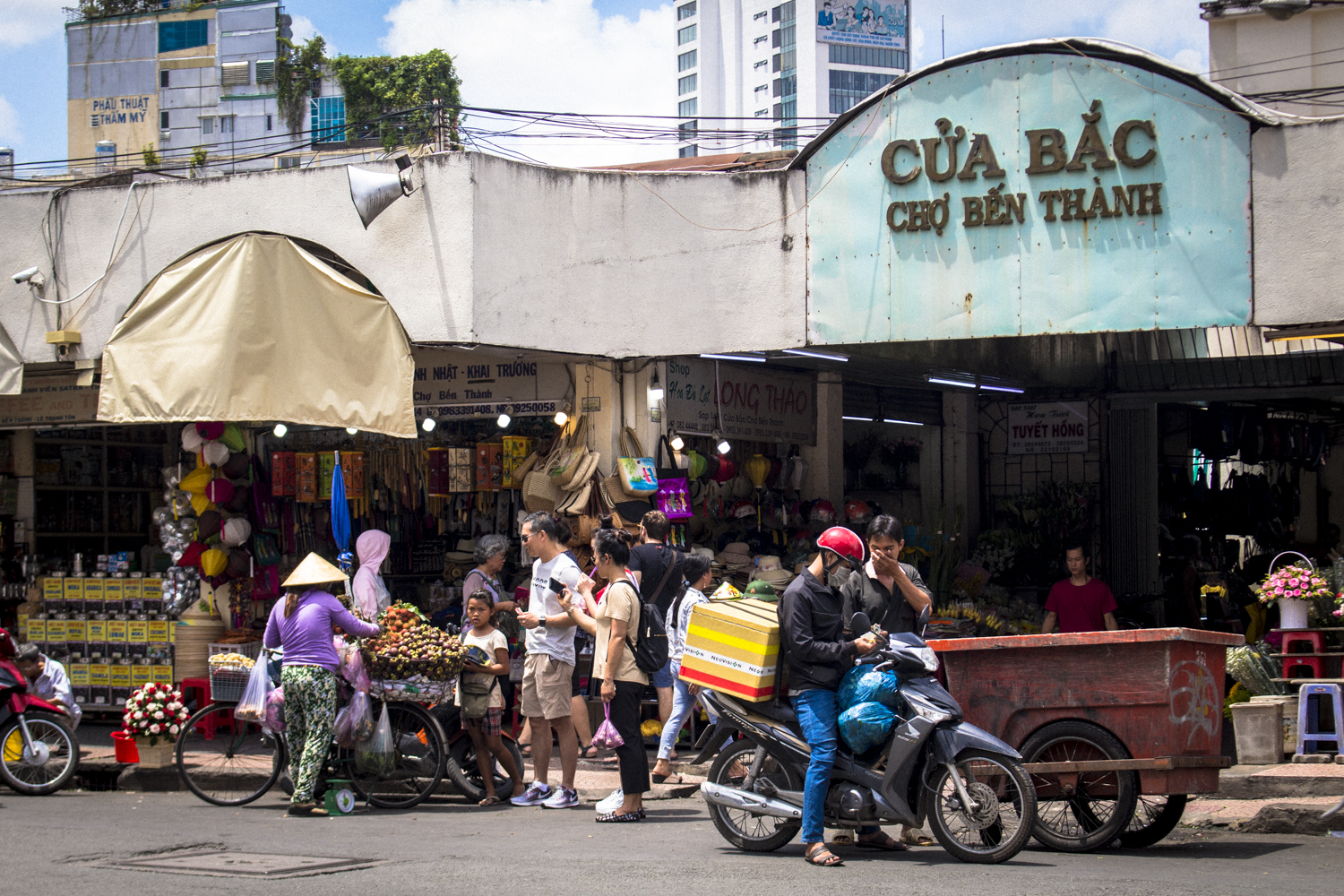
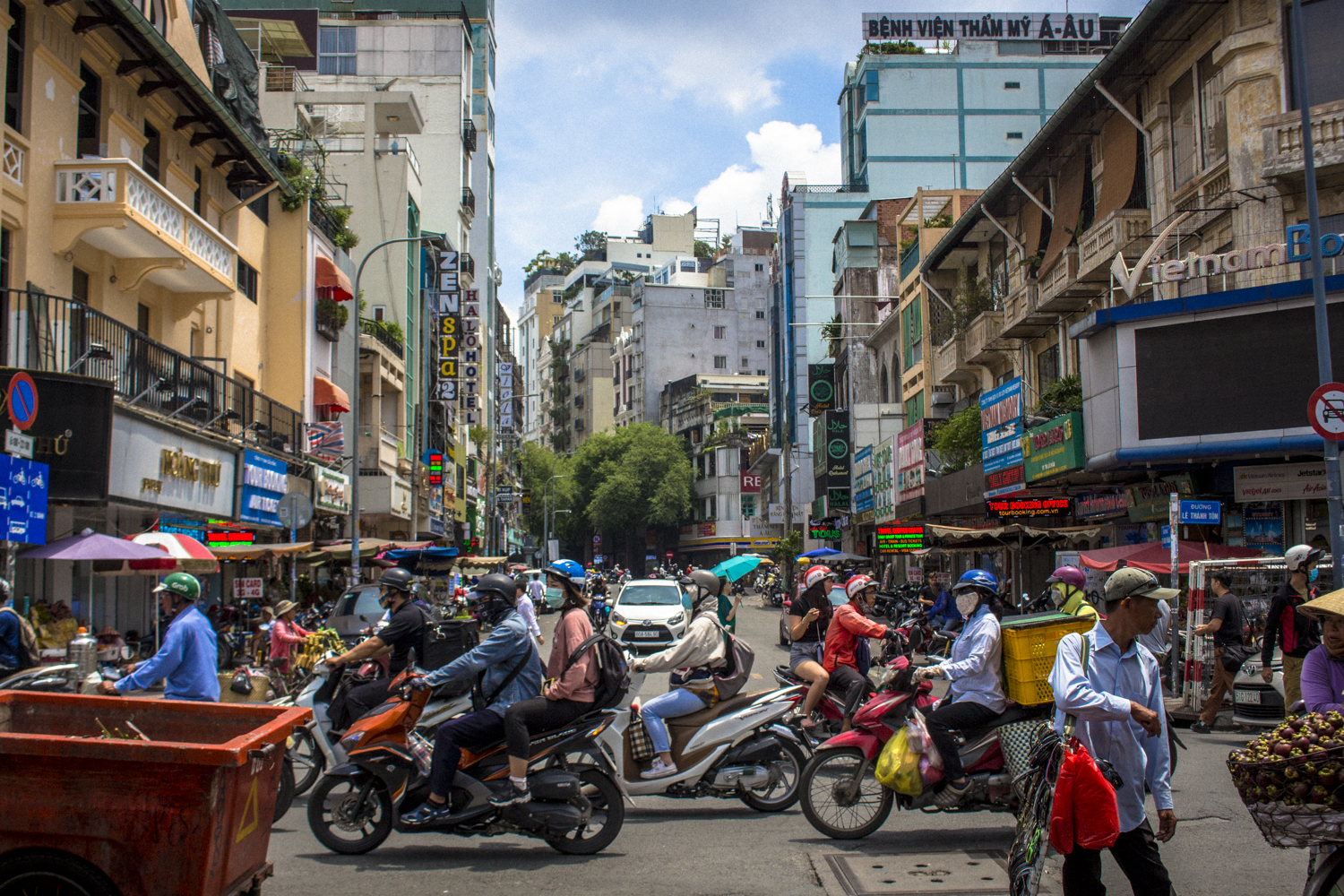
HCMC has more in common with Phnom Penh than where I’d departed in Busan. Both are abuzz but the Asia west of South Korea appears more colorfully chaotic. Traffic plays a staring role with its insect swarms of motorbikes. If you’re not on one you’re near one, jay-walking between them or squeezing a path between idle wheels, vendors, cracked sidewalk brick and the army of blue-shirted city officers one local described as “tourist security.” District 1 is the most foreign-heavy part of town: backpackers, lifers, the gainfully employed and businesses that cater to them all. It’s energizing, but can challenge your patience. Not completely ignoring the endless stream of masseurs, child hawkers and trinket sellers means you’re in for a long day. Some pitch drugs in whispers after failing to sell something more innocent. It’s the price you pay for taking a table near the street, but you also didn’t come here to hide.
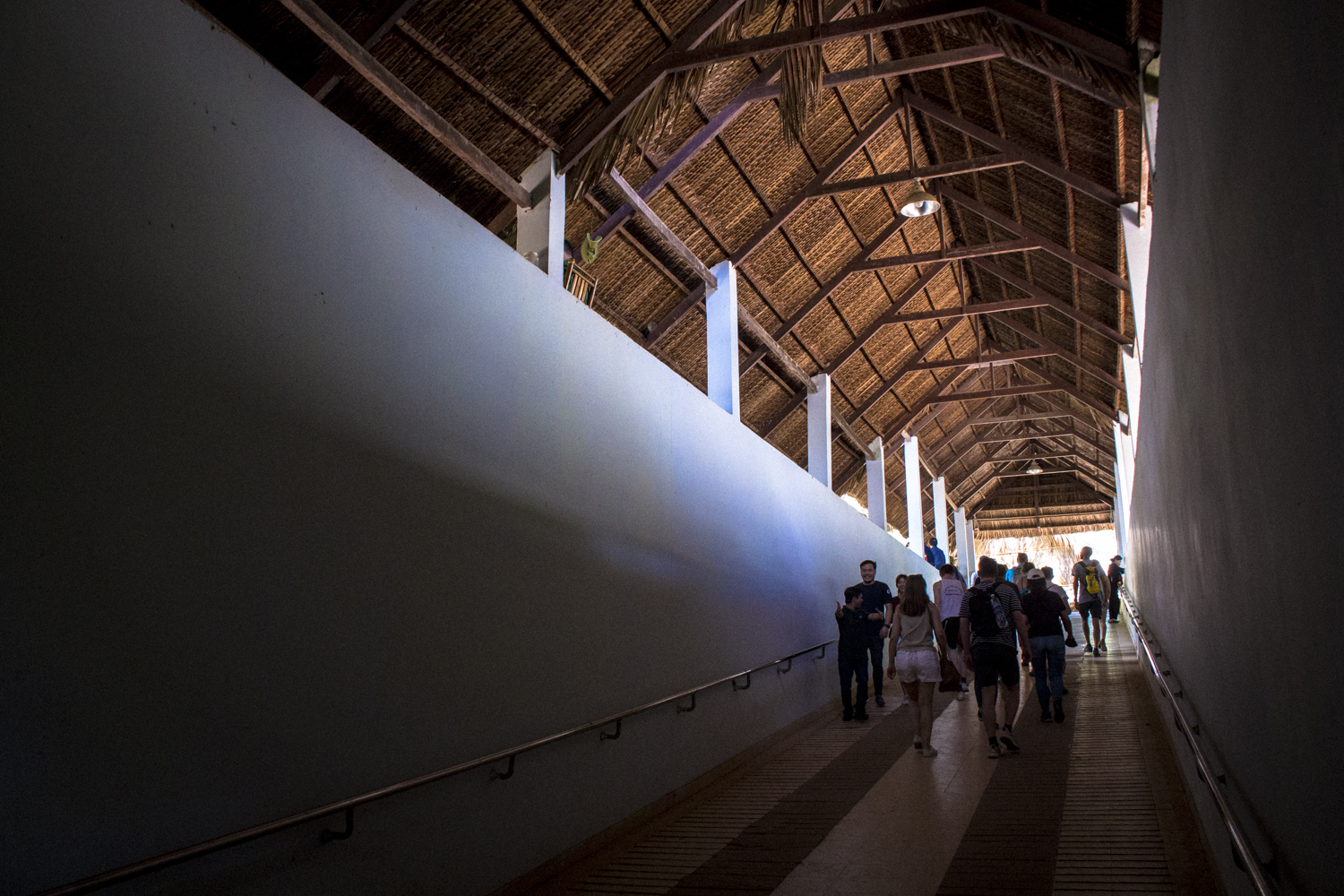
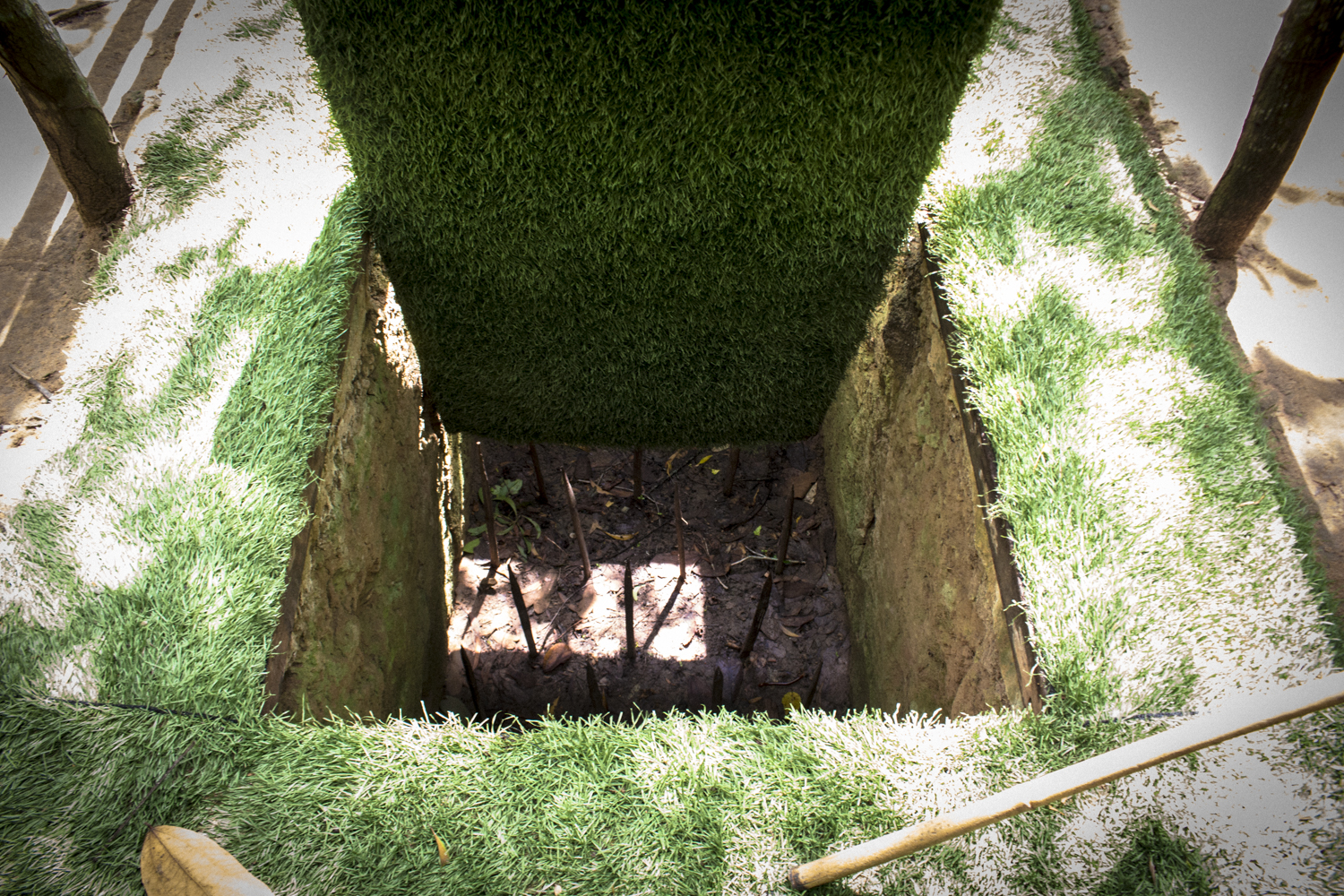
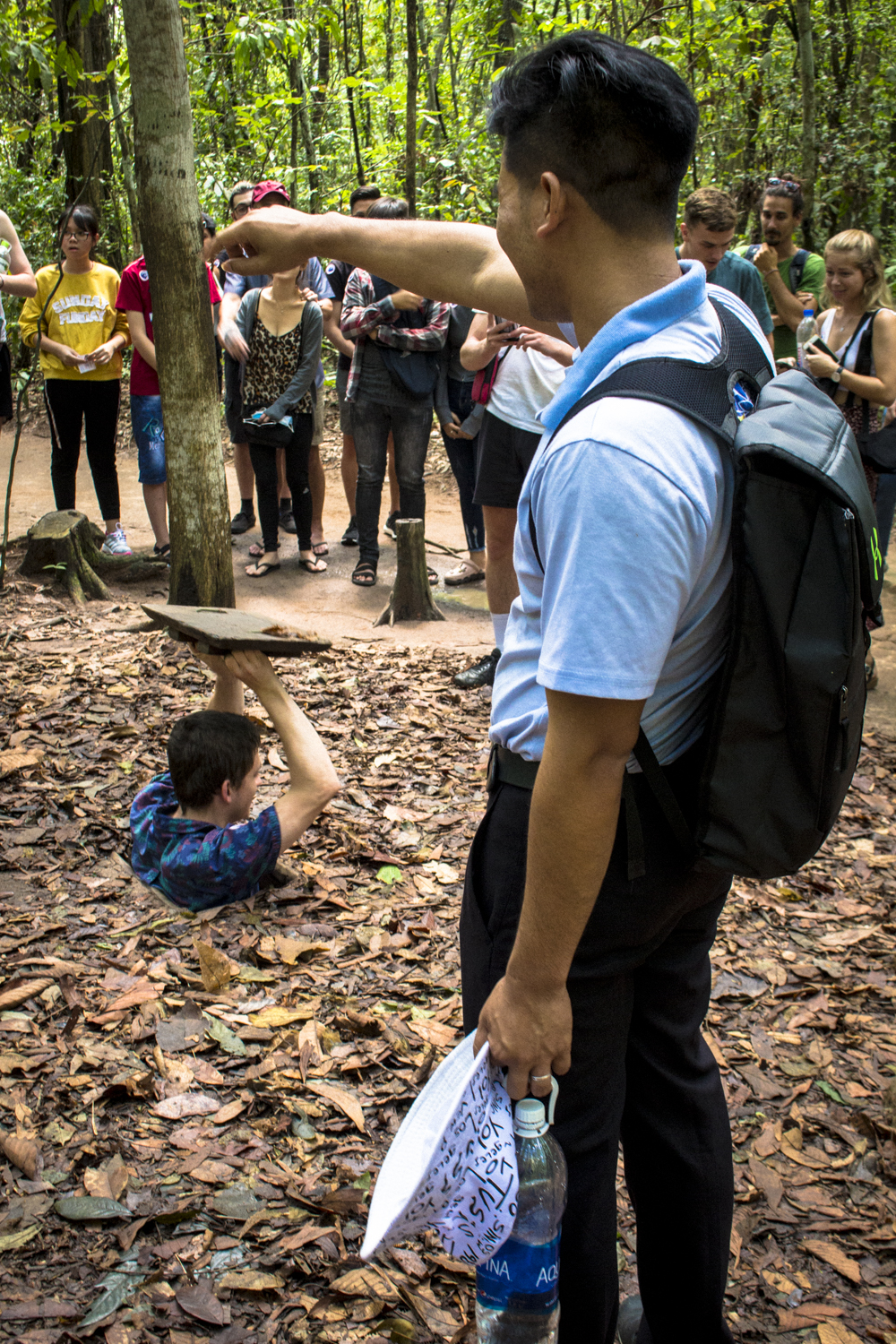
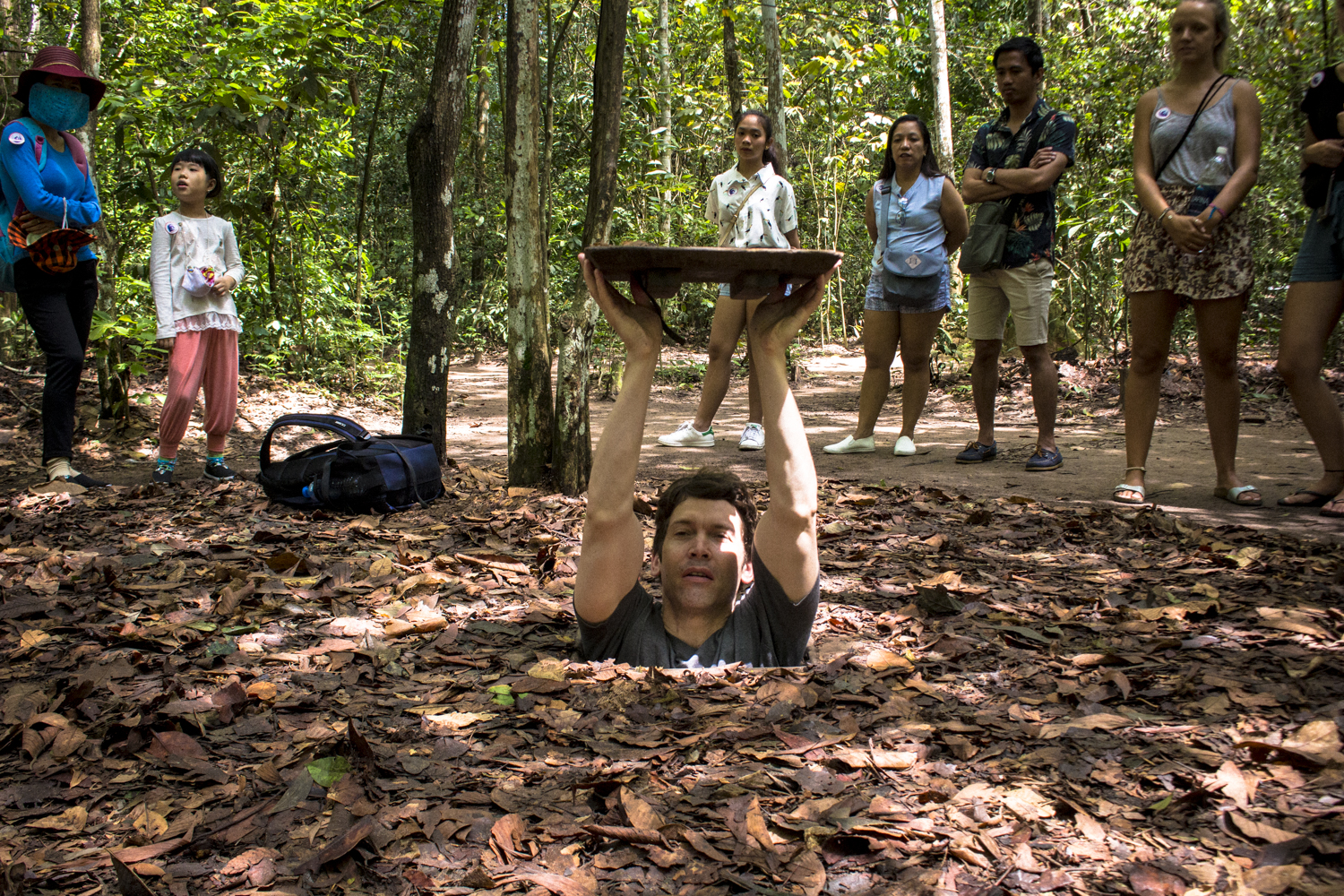
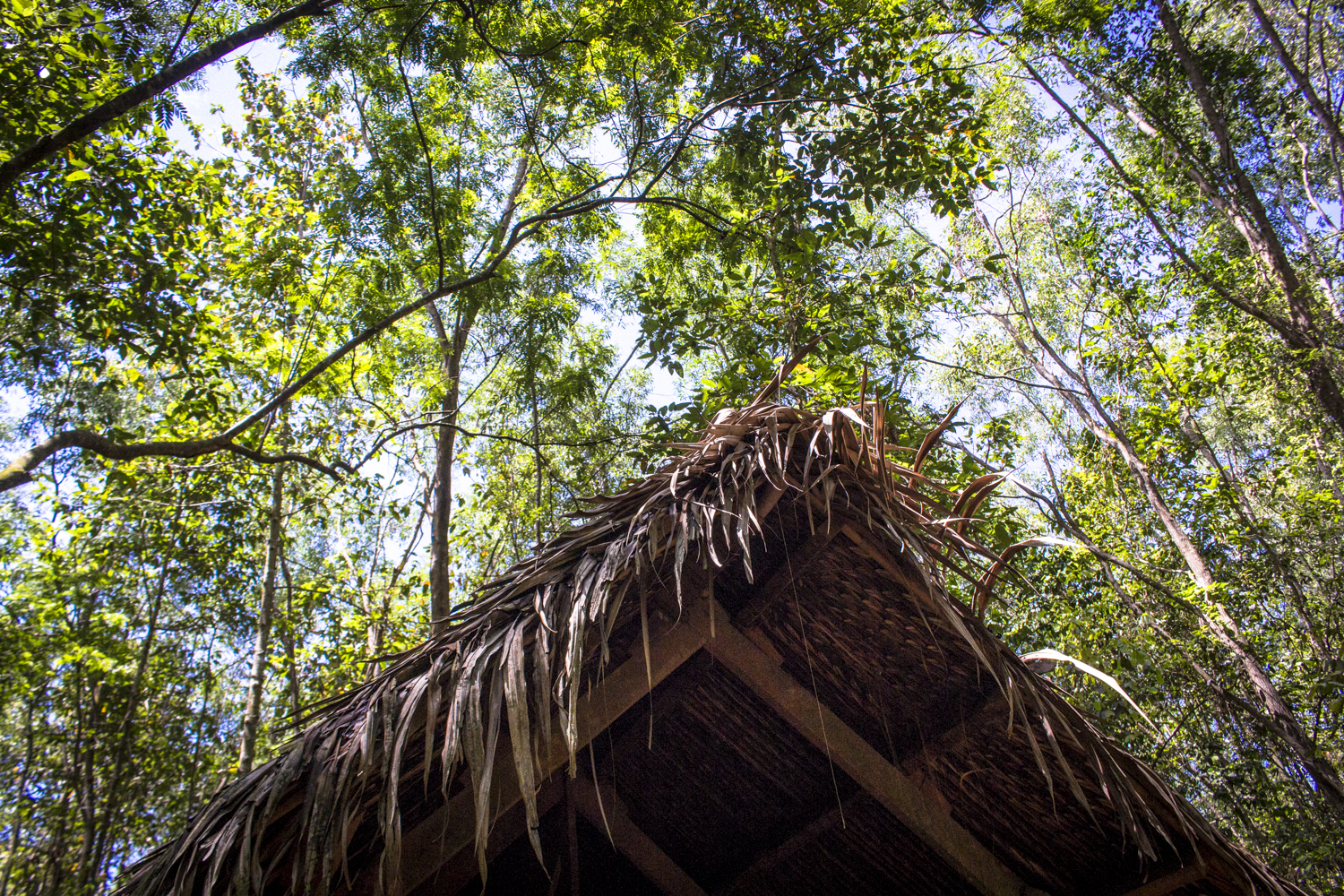
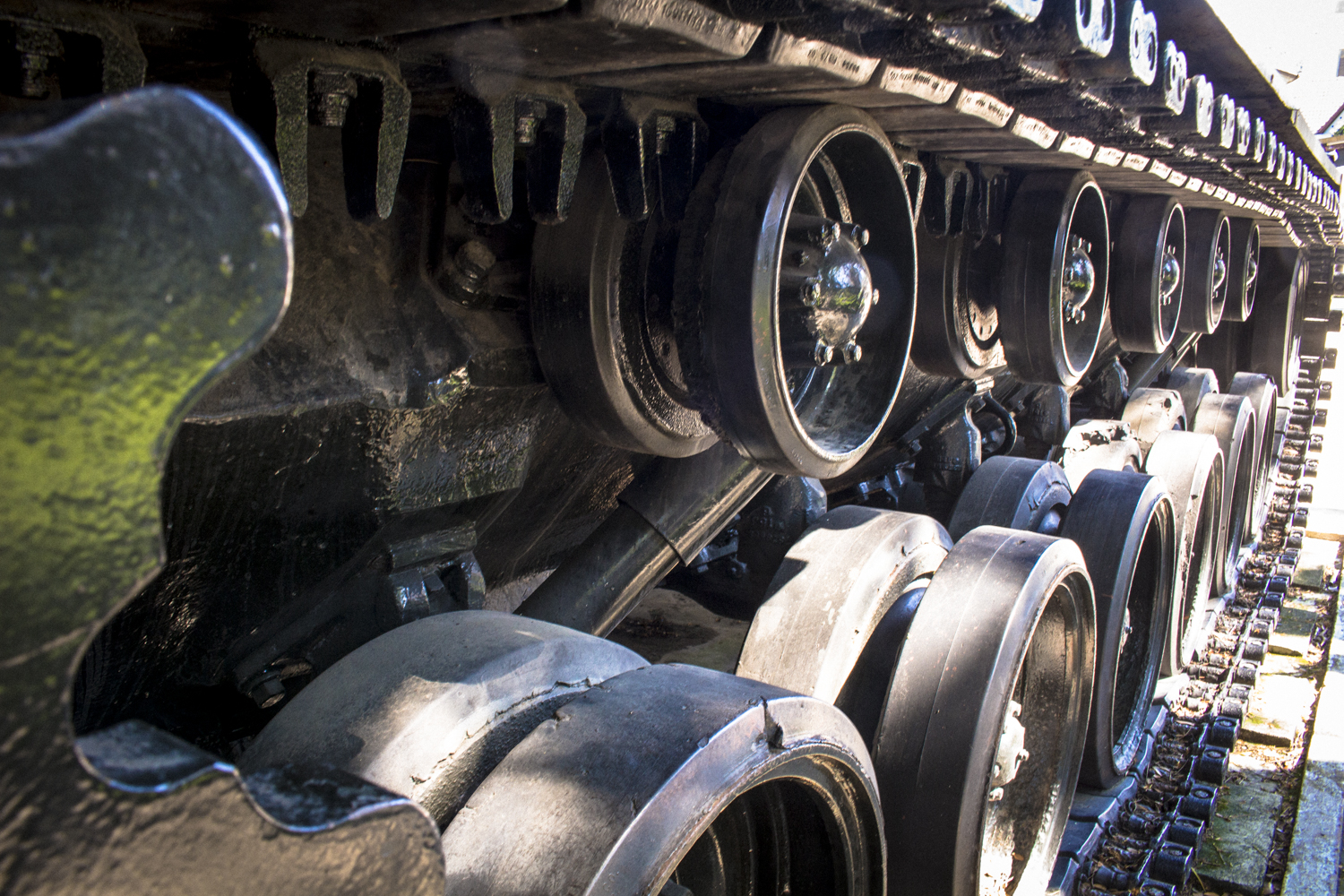
The Cu Chi Tunnel parking lot fills with tour buses most days I expect. The district is a half-hour’s drive from HCMC and my first chance to see the country beyond the city center. The history there is fascinating and to swallow the reality of 250 kilometers of multi-level tunnel complex dug by the Vietminh and later the Vietcong is tough, especially when you’re down in it. After a guided tour, visitors are given 100 meters underground to sample for themselves. At its tightest I was shuffling in a squat ball, hot and cramped but determined not to dirty my jeans so early in the day. Spiked booby traps and tanks supply other photo ops and, at a refreshment stop, you can shop for bullet casings or shoot the real thing at the gun range. Ten rounds of an M16 will set you back about $35 USD.
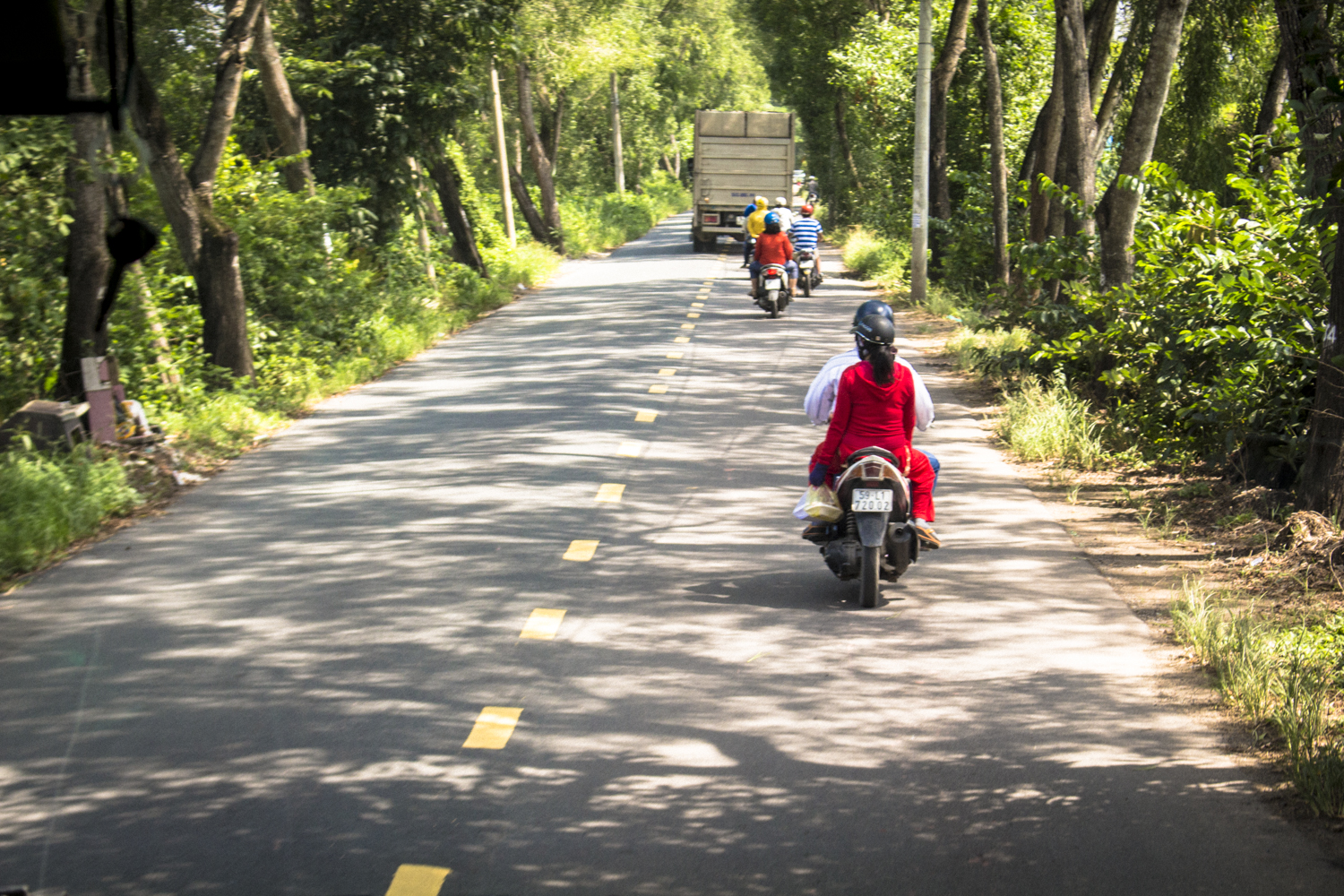
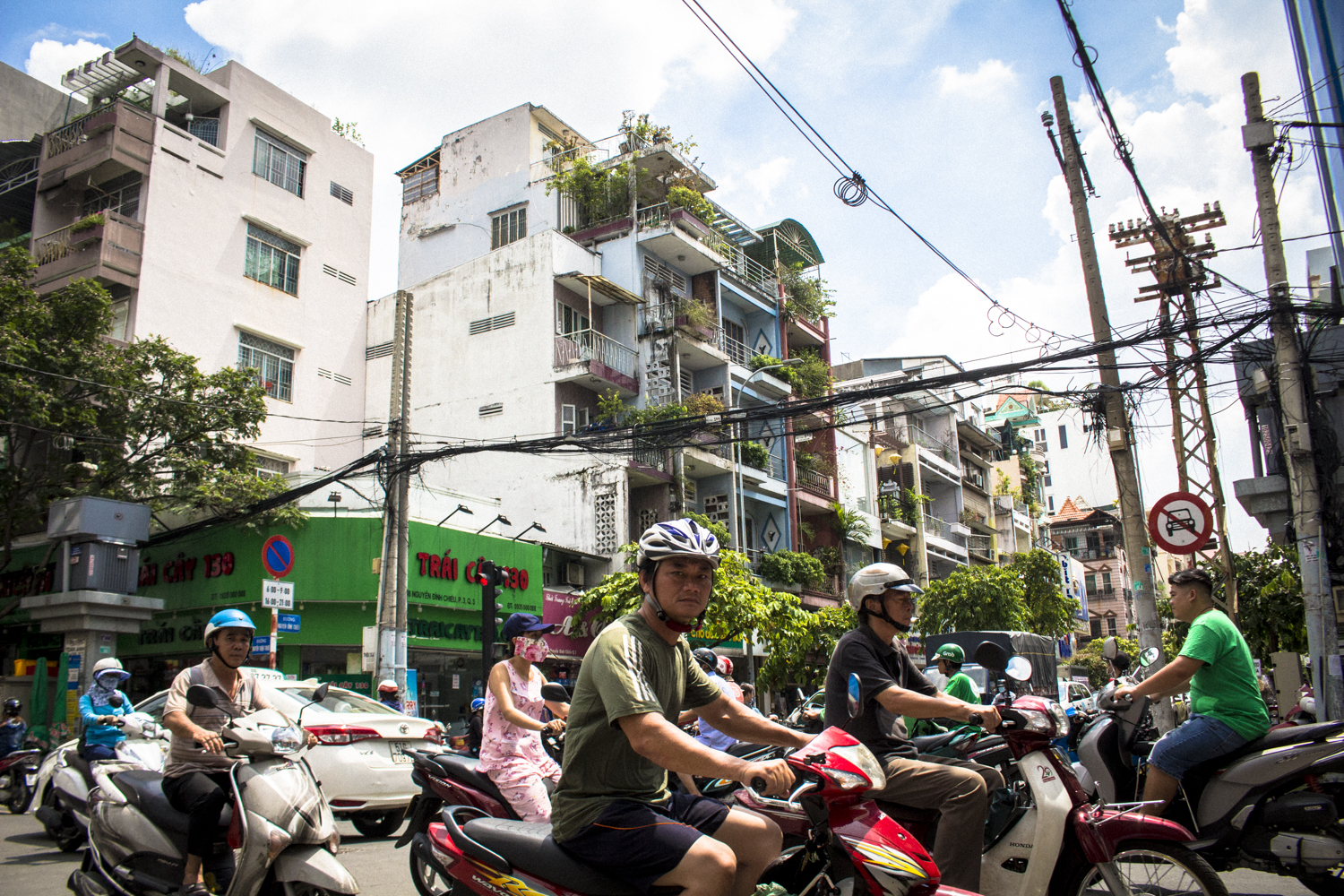
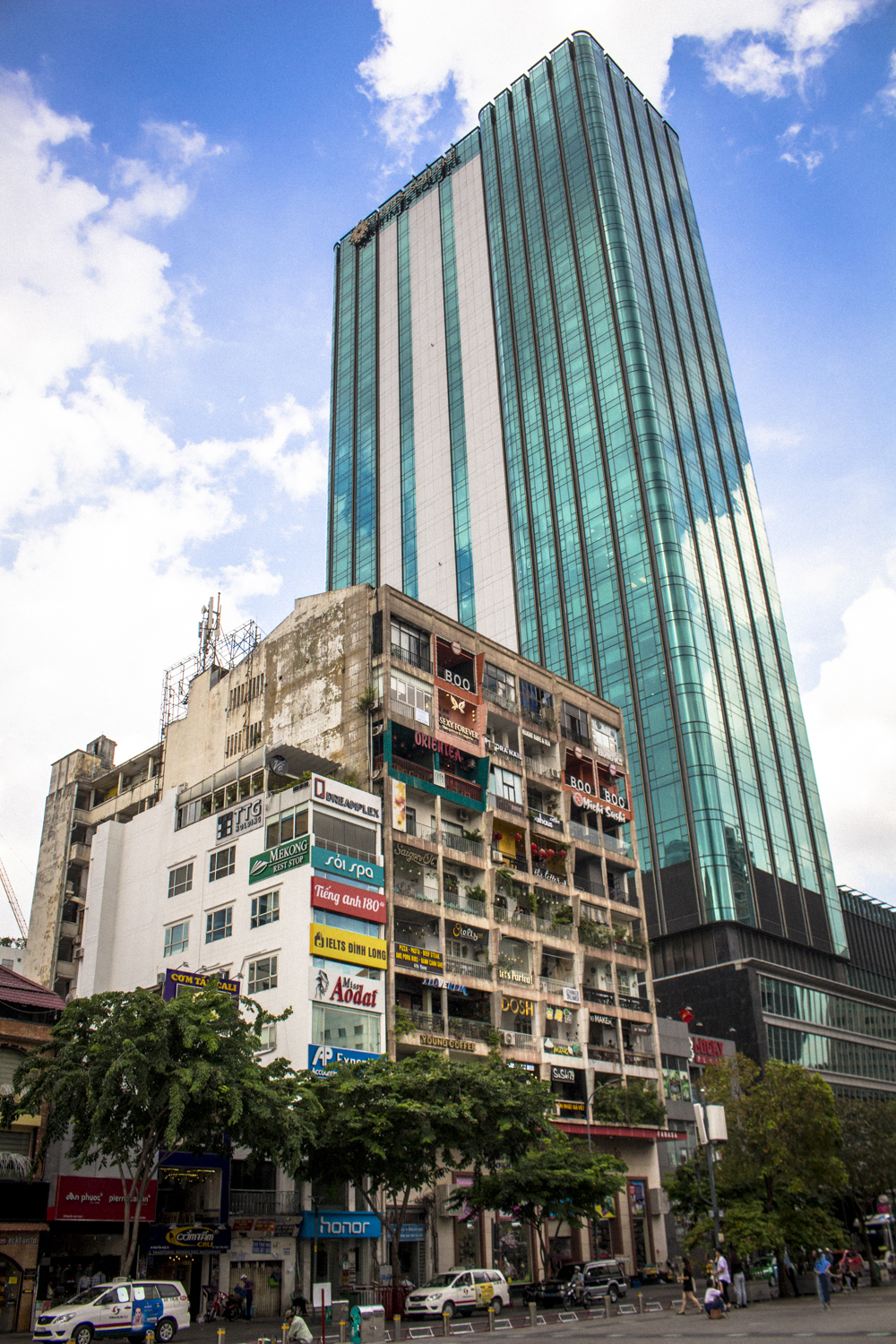
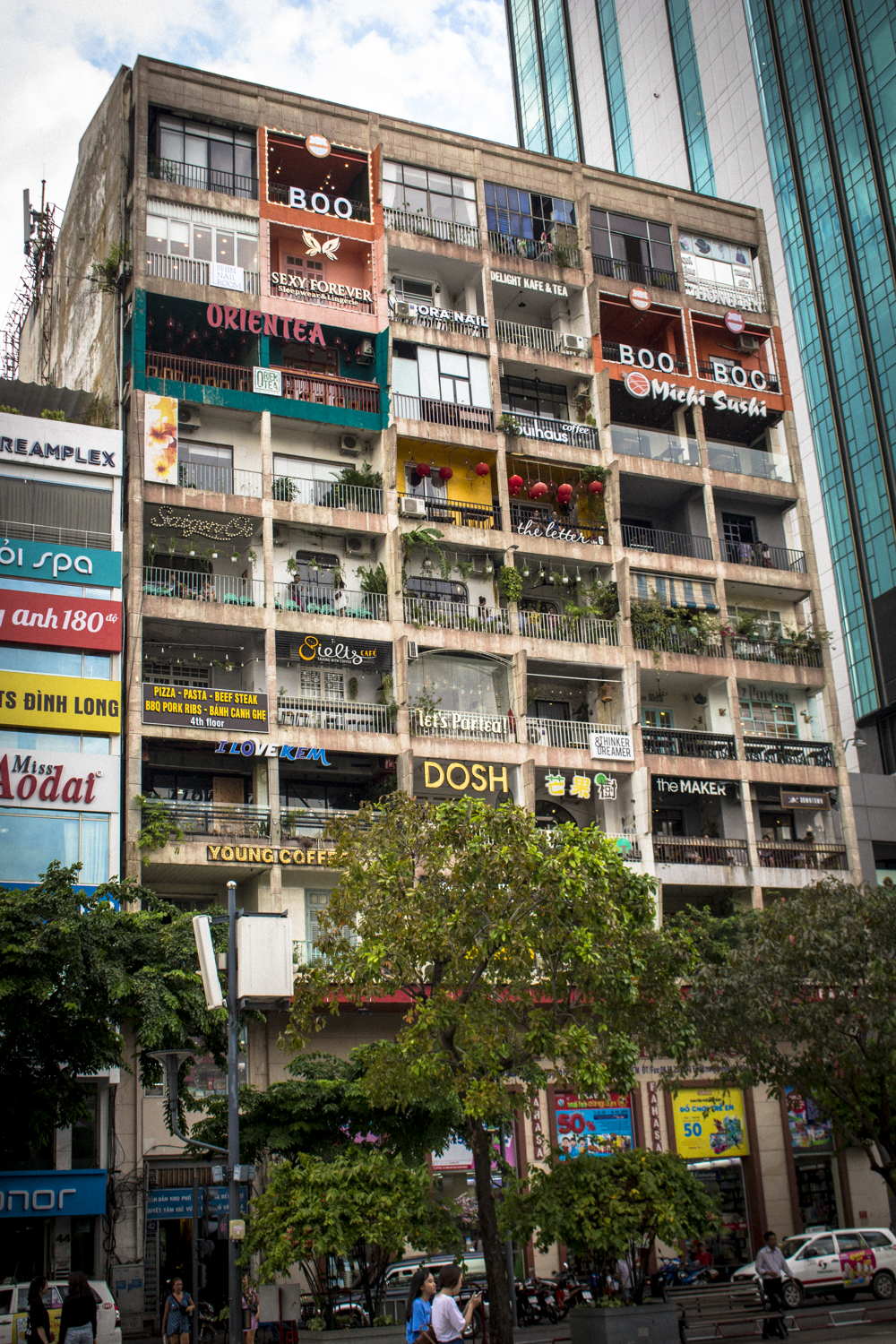
In town, I followed my usual habit of getting the barest sense of where I wanted to go and made it up from there. It sometimes puts you in circles but the boxes eventually get ticked, with the odd unexpected street treasure like a hidden temple or a particularly colorful stretch of townhouses. Like Cambodia, part of the fun was just buzzing about. No tuk-tuks though. Here it’s car and bike taxis, neither hard to catch even without a phone app, though it helps. I don’t ride and found it a small thrill to sit on the back of a green-jacketed Grab bike (a legit company in my experience), wading into an insane roundabout. Speeds are slow to modest but when every motorist seems to make their own lane, it’s a kick.
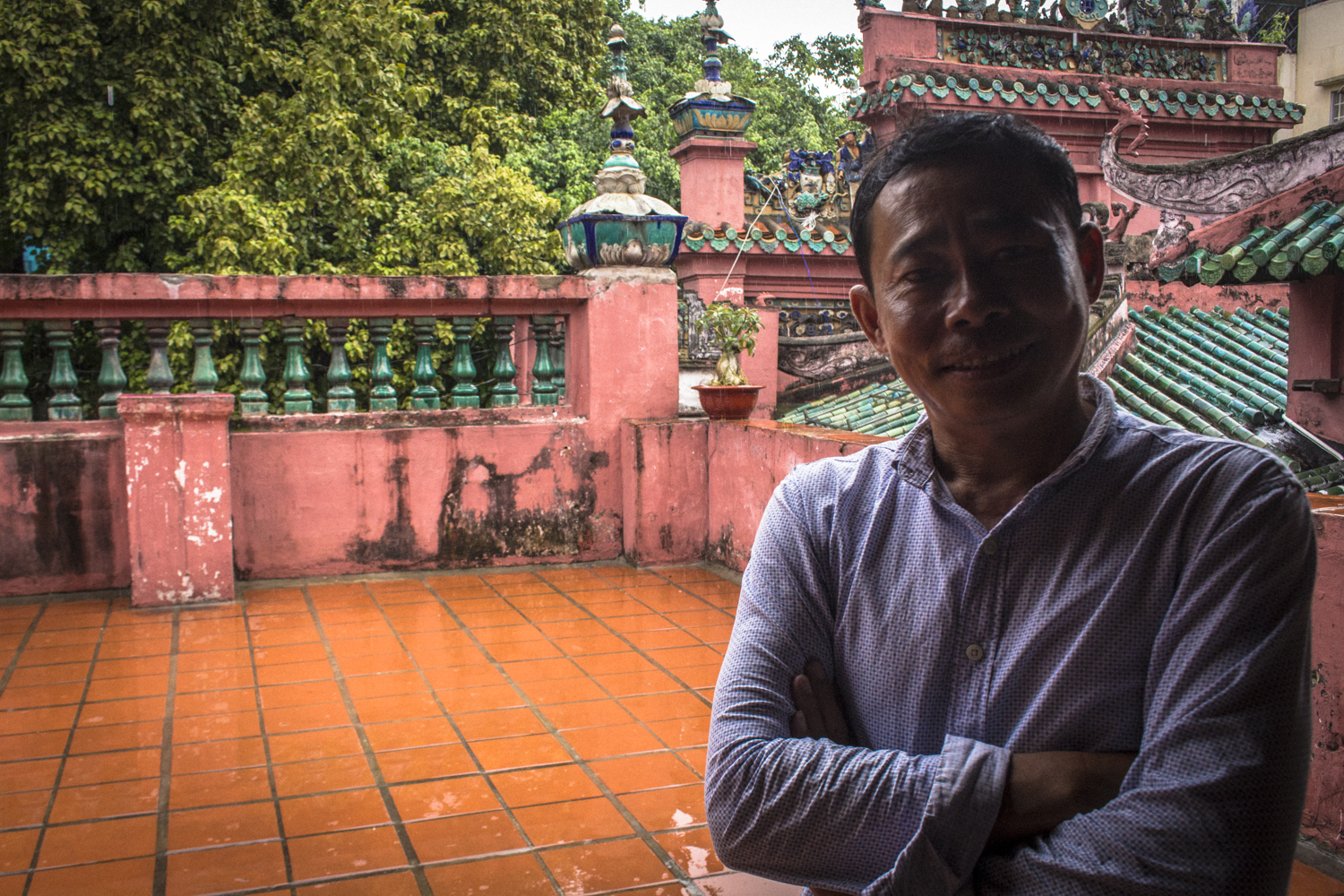
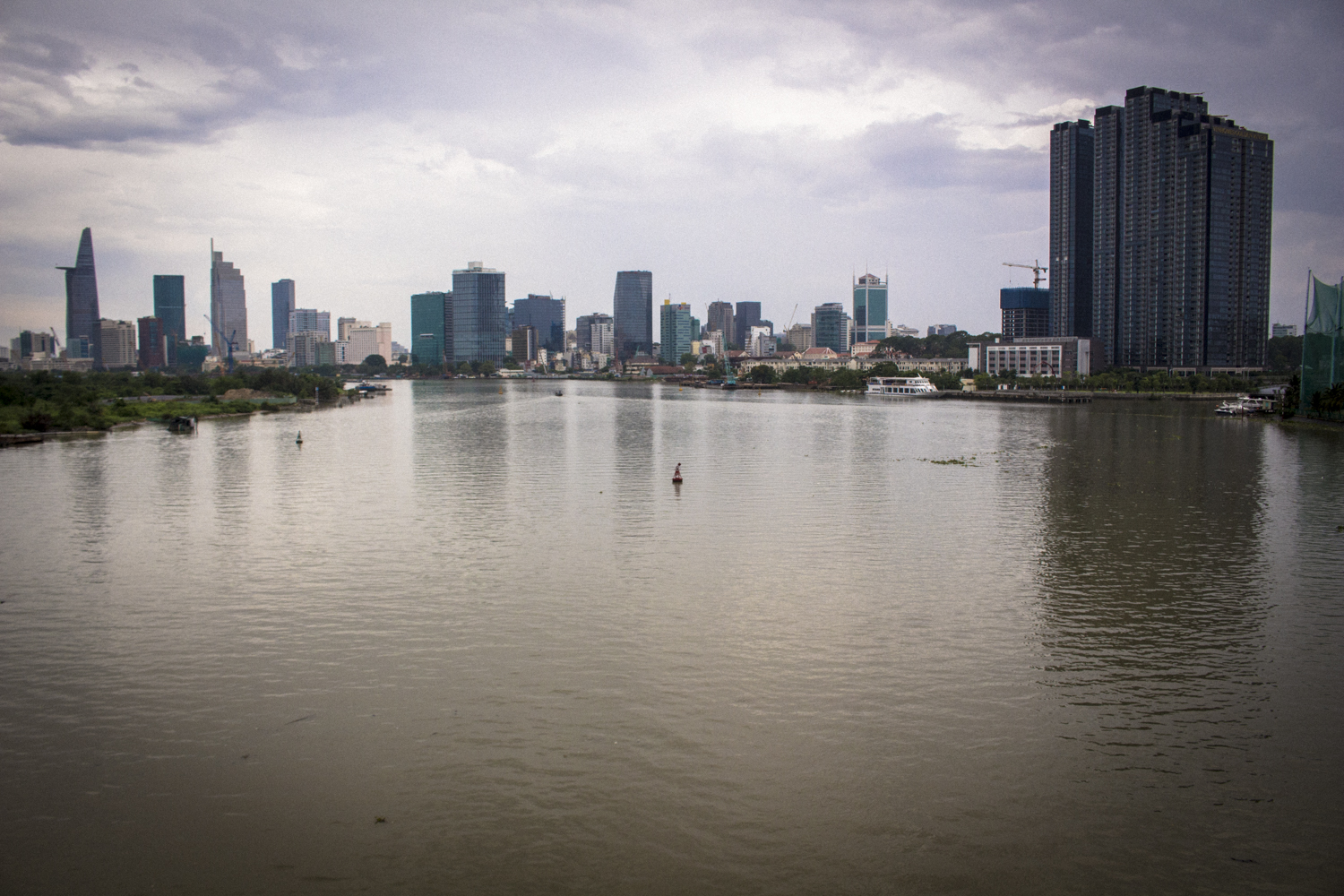
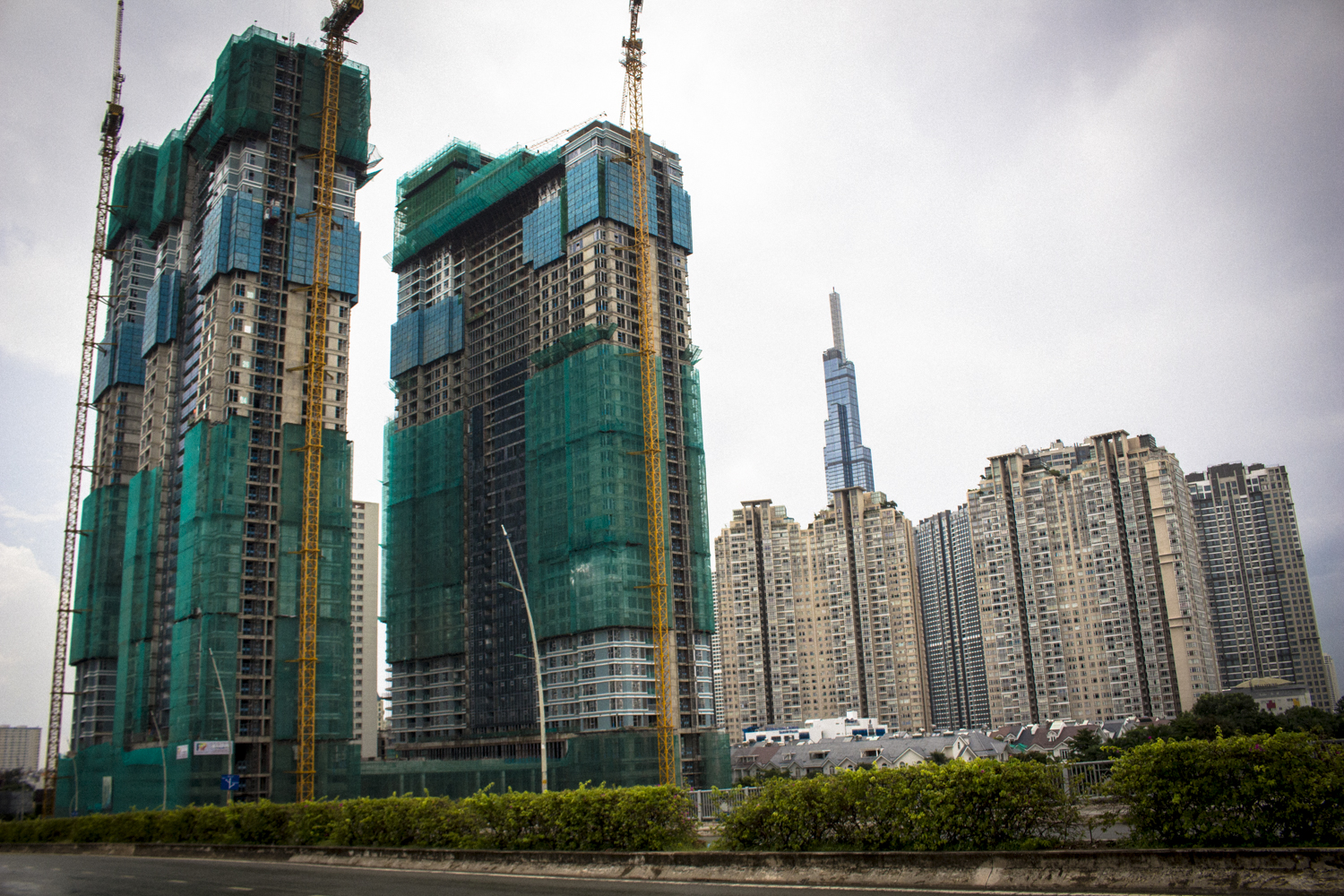
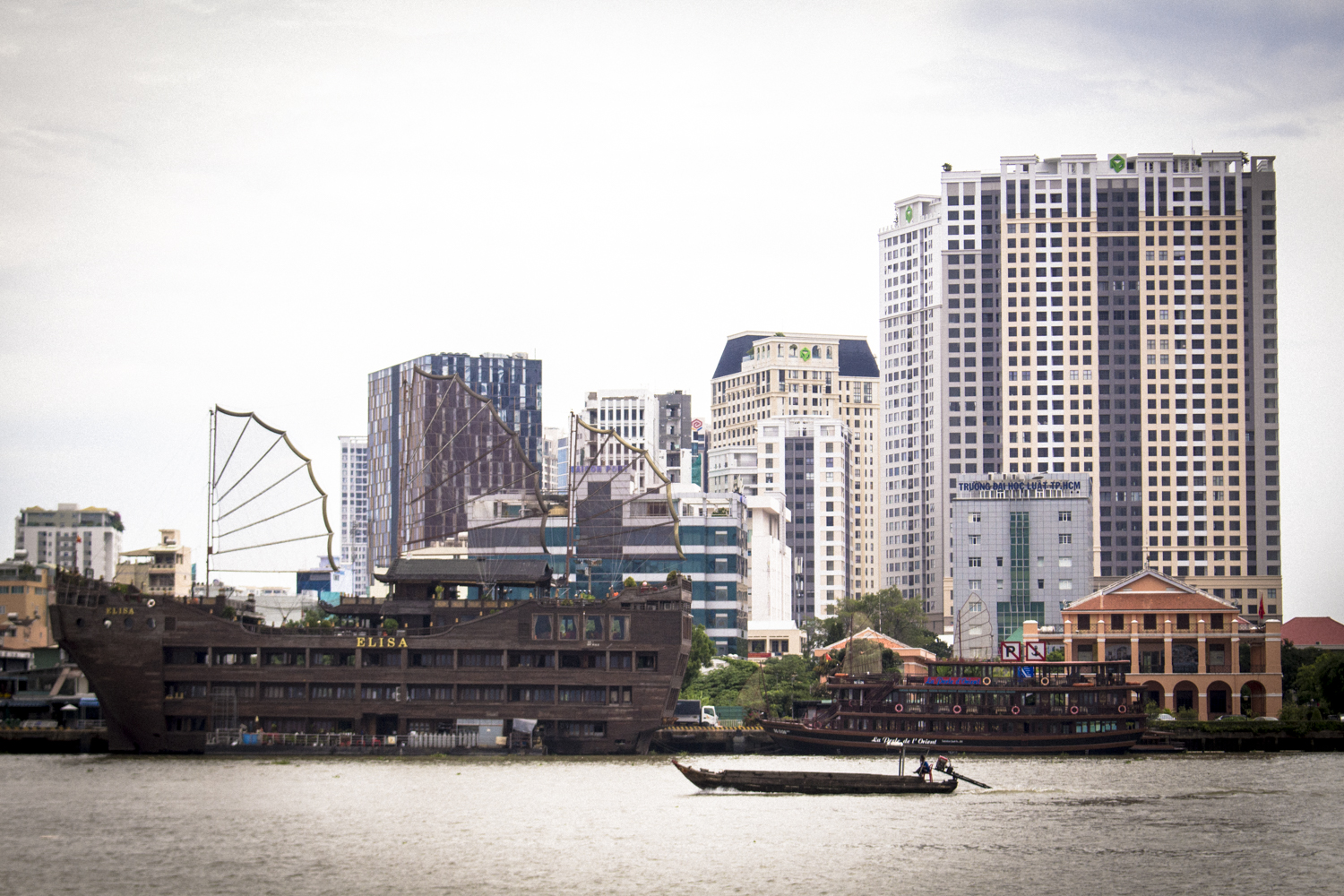
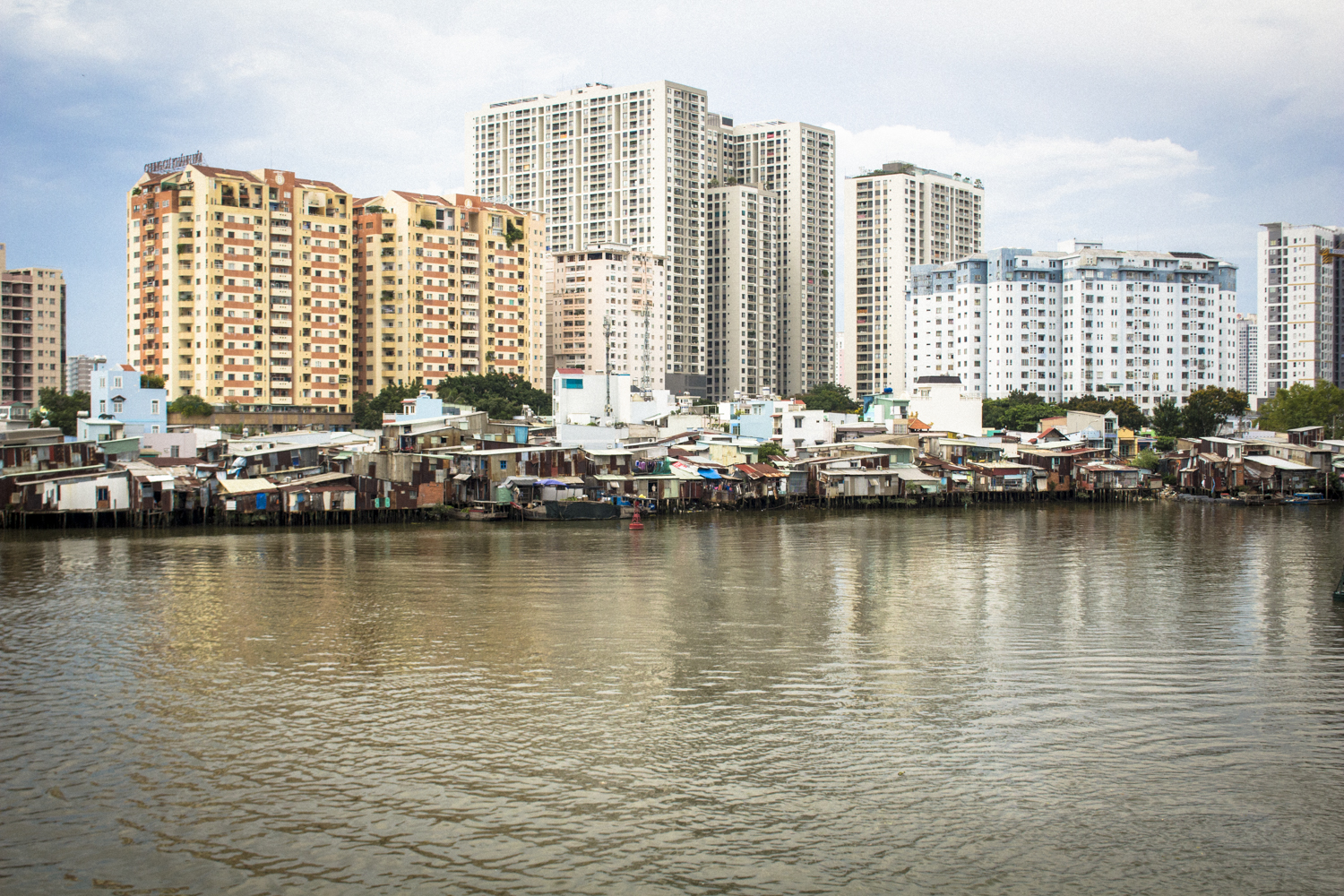
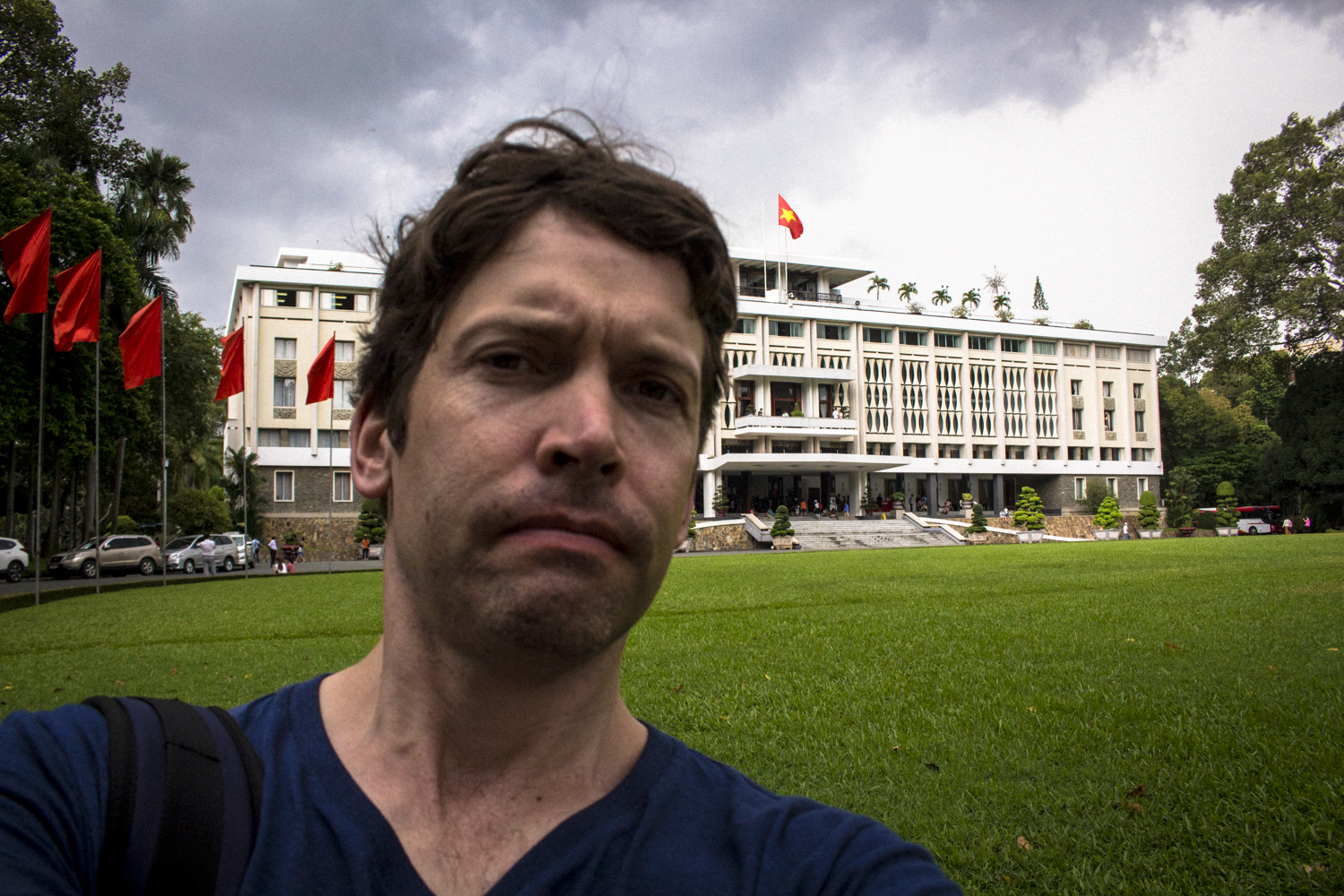
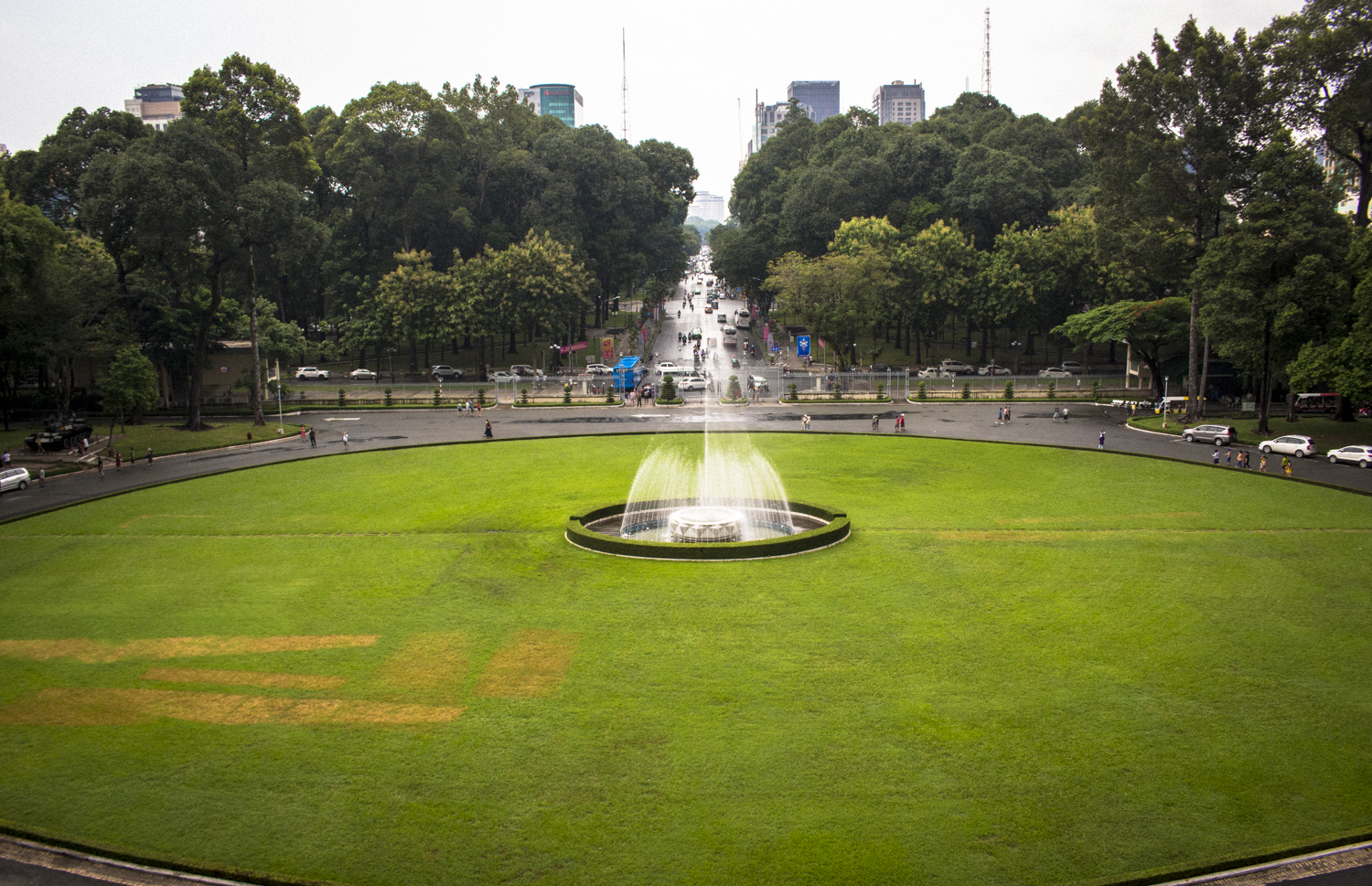
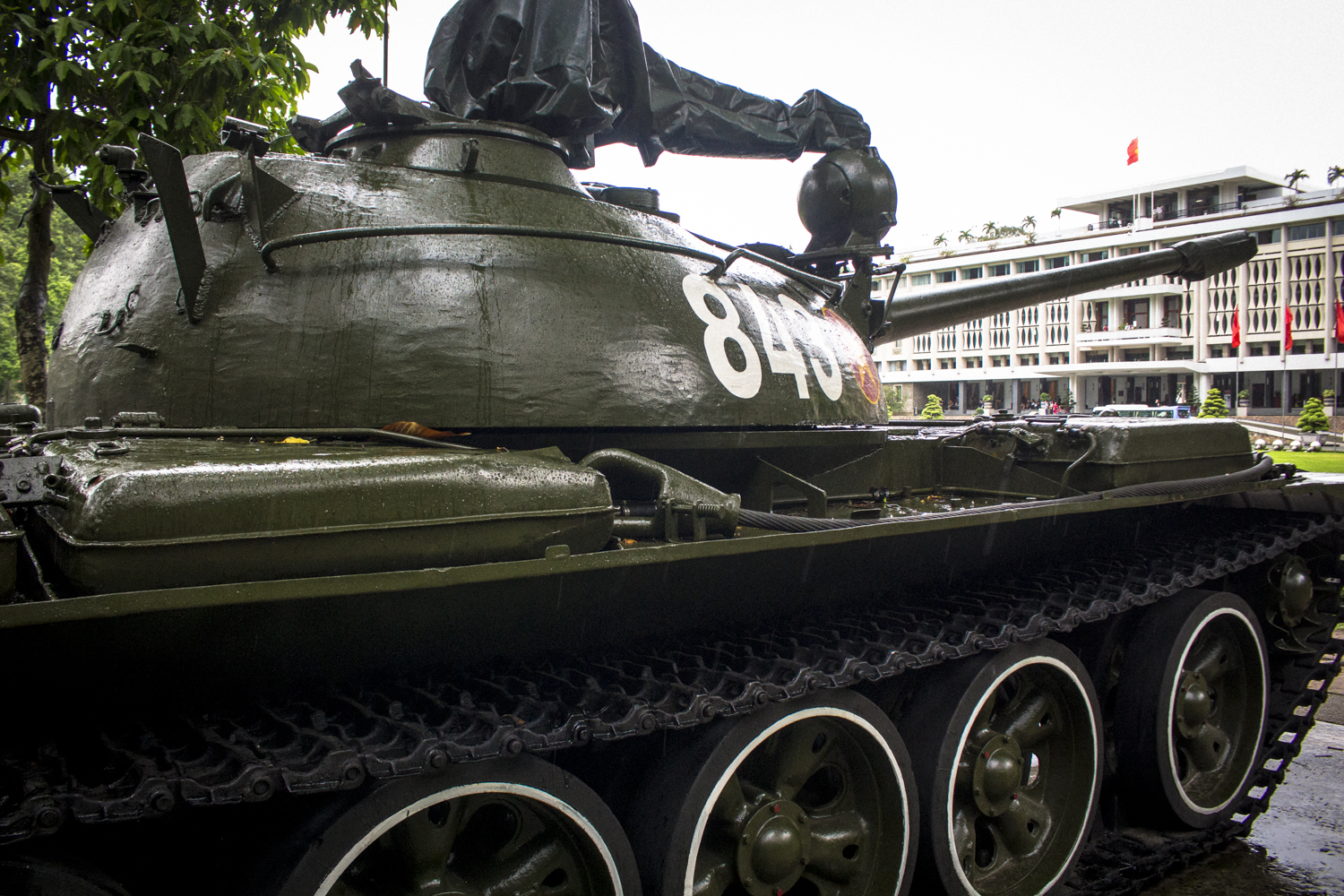
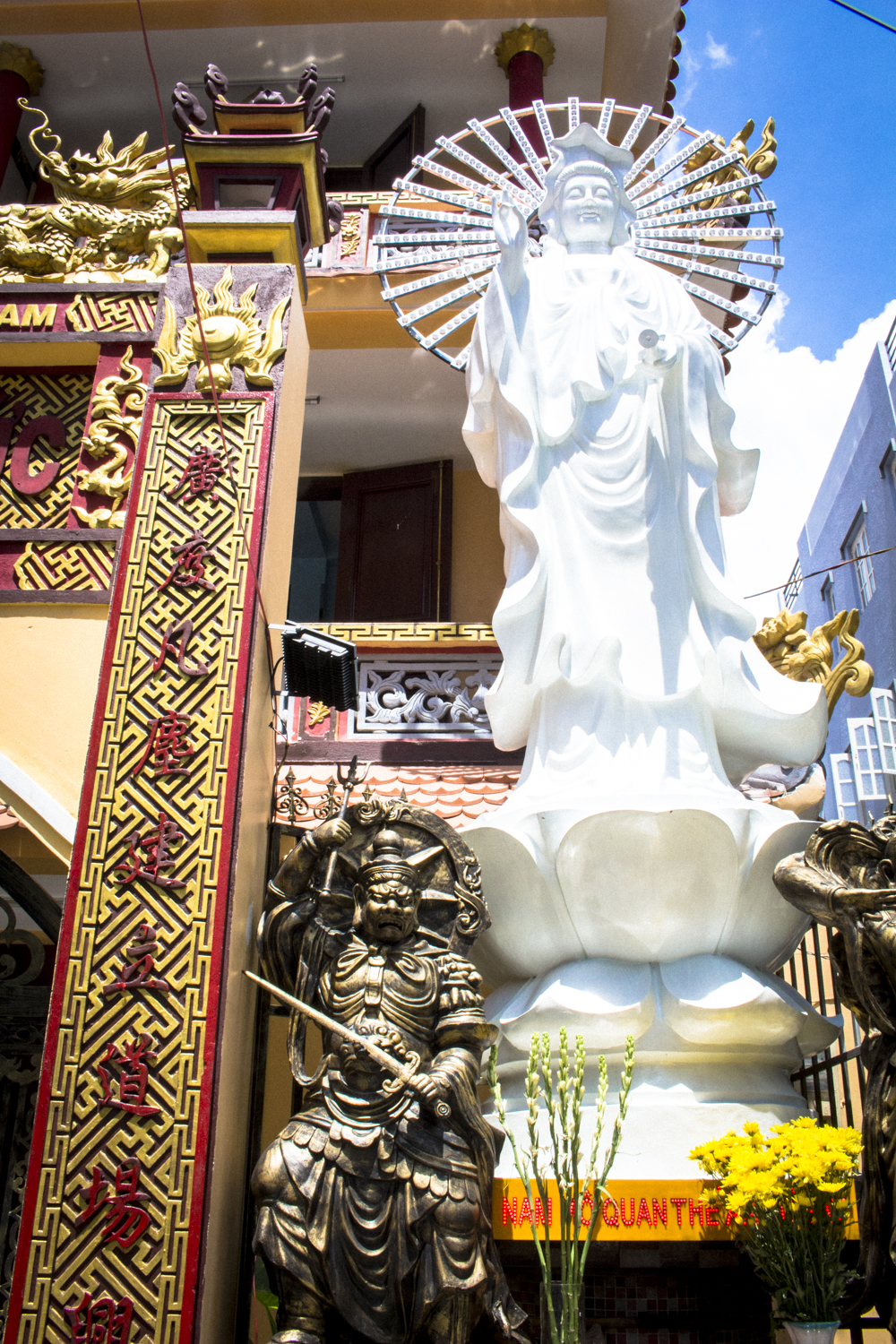
I met one independent bike guide seconds after being dropped by another at Reunification Palace. The iron gates famously toppled by Communist tanks during the fall of Saigon were closed for lunch and the driver, a cheerful man named Bing (my spelling), offered me an improvised tour in the meantime. It included the Jade Emperor Pagoda and a circling sweep of the Saigon River. I took him up on the pagoda and asked for no more when he suddenly approached me inside, armed with details on the assortment of Buddhist and Taoist guardians and the hopes and hells they represented in their smokey rooms. Learning is good. I warmed up to the idea of a guide and for the next two hours was given a back-of-the-bike tour of the residential highs and lows of Saigon, from the new residential complexes to the squalid riverboat homes. Bing stopped wherever he thought I might like a picture.
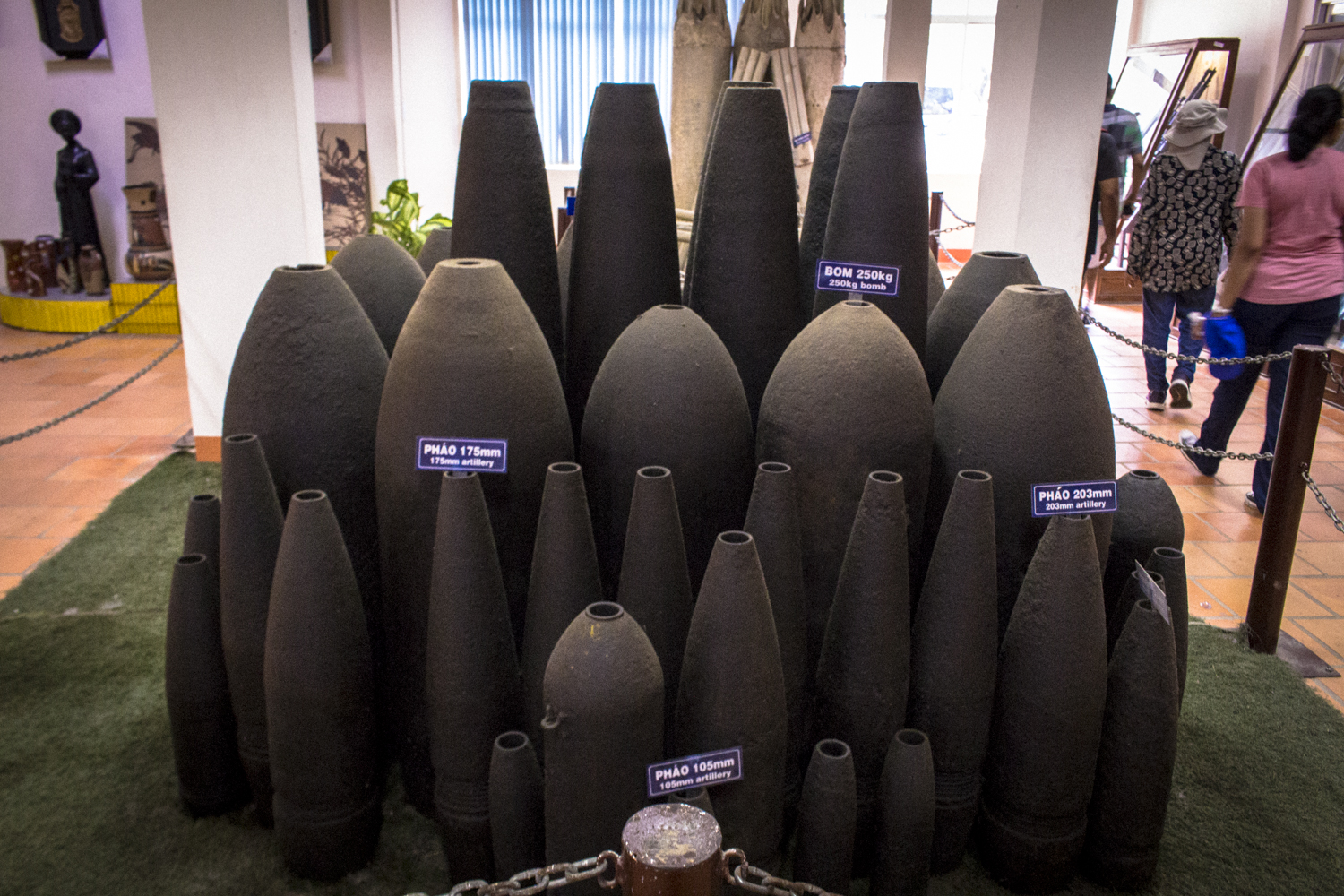
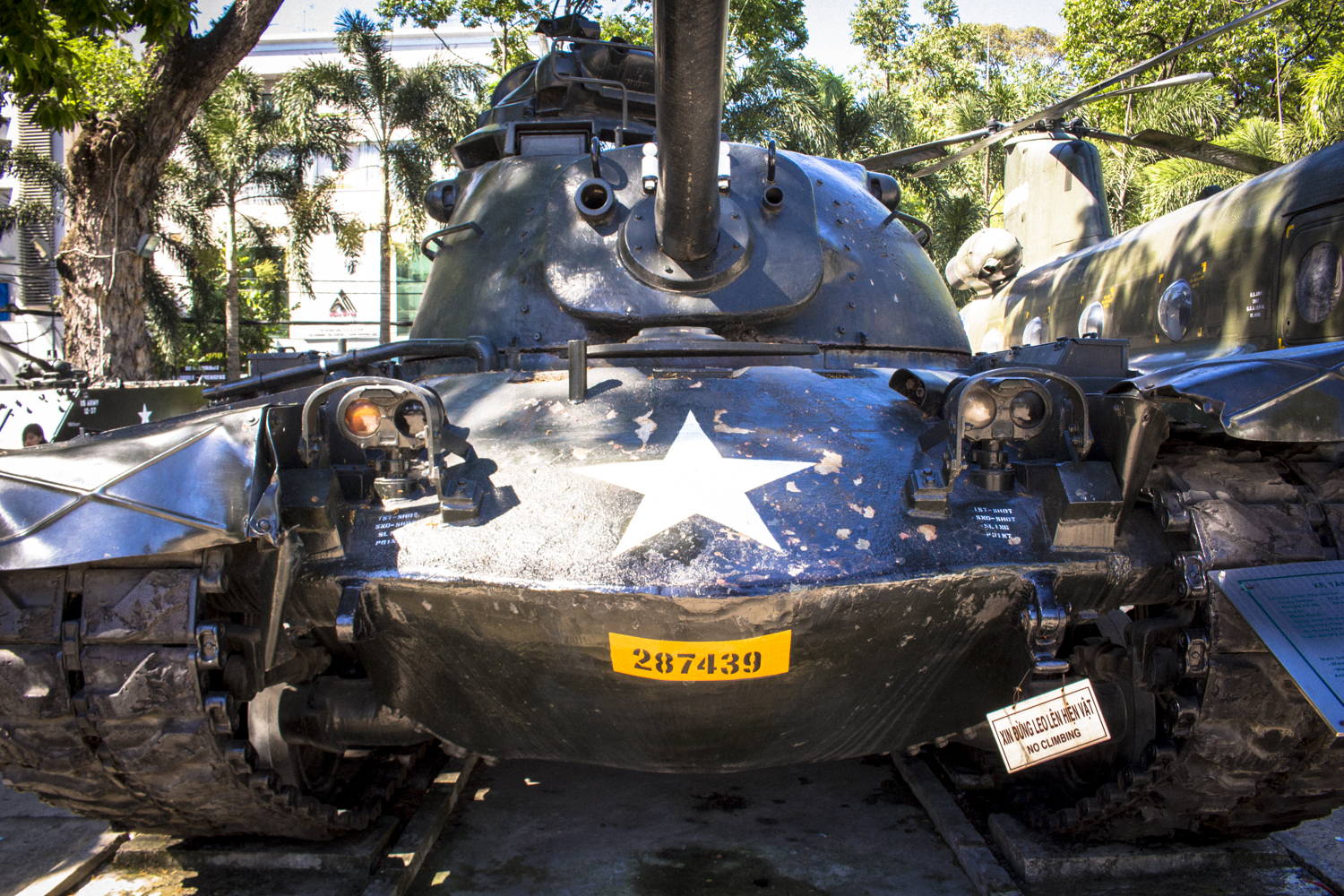
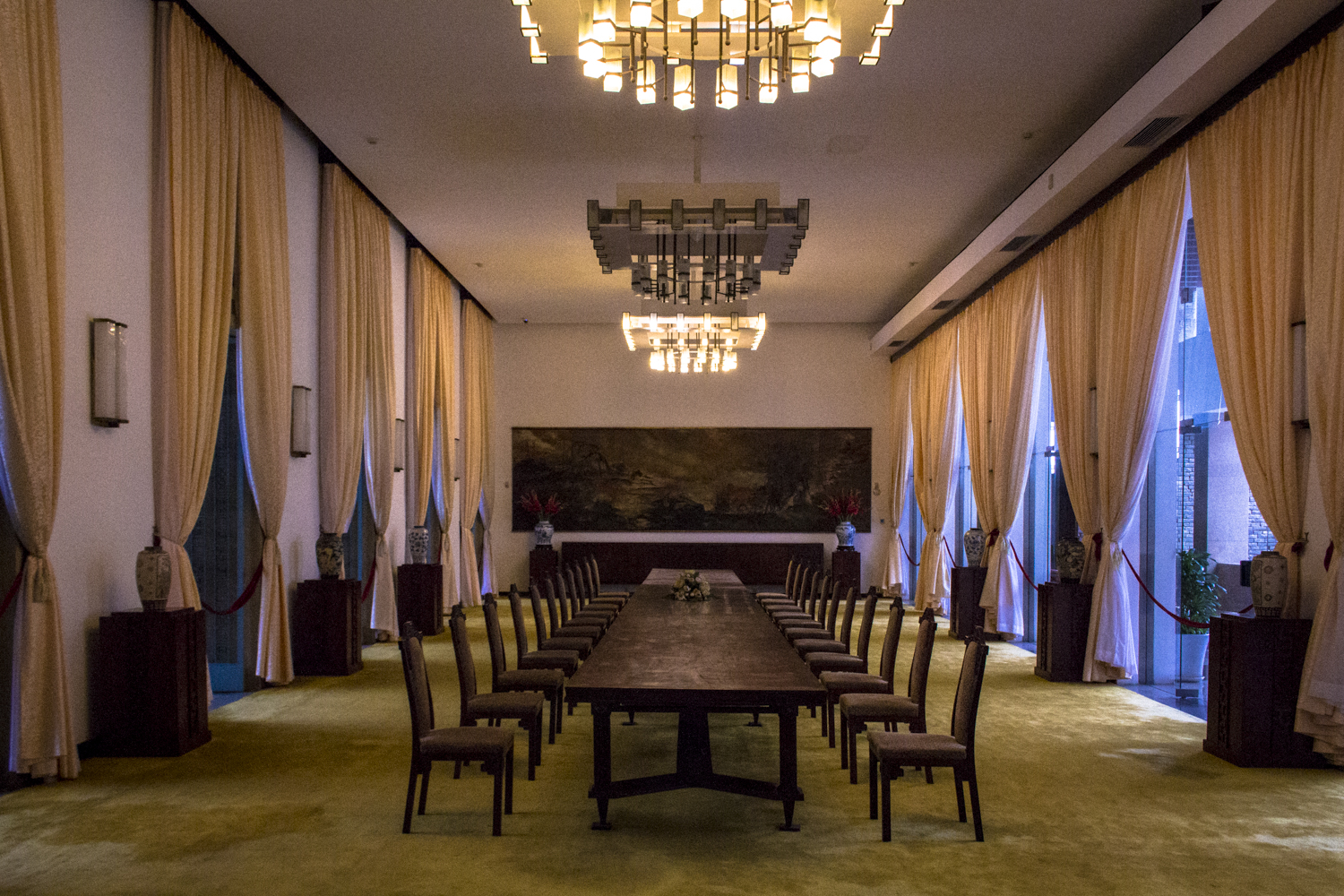
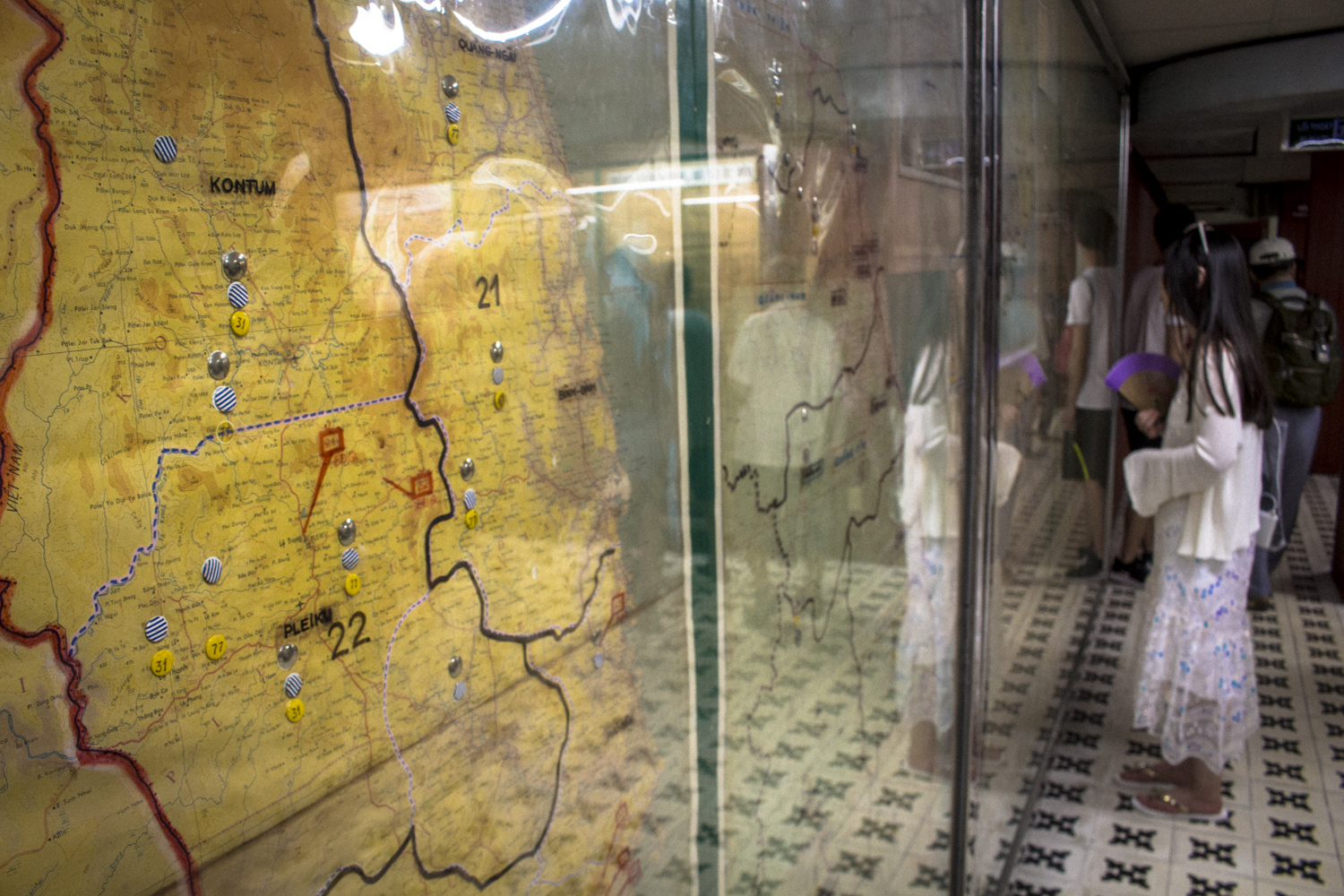
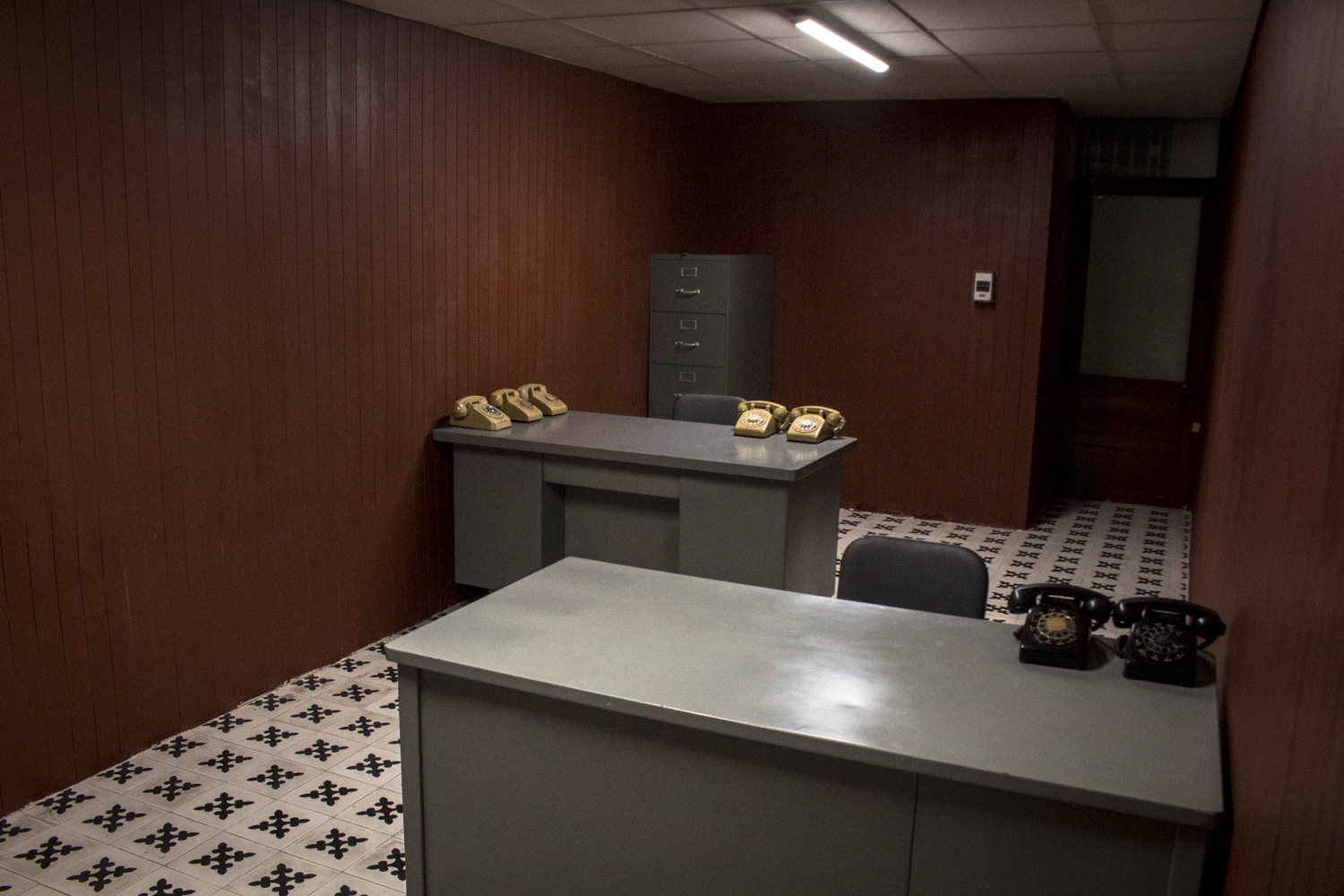
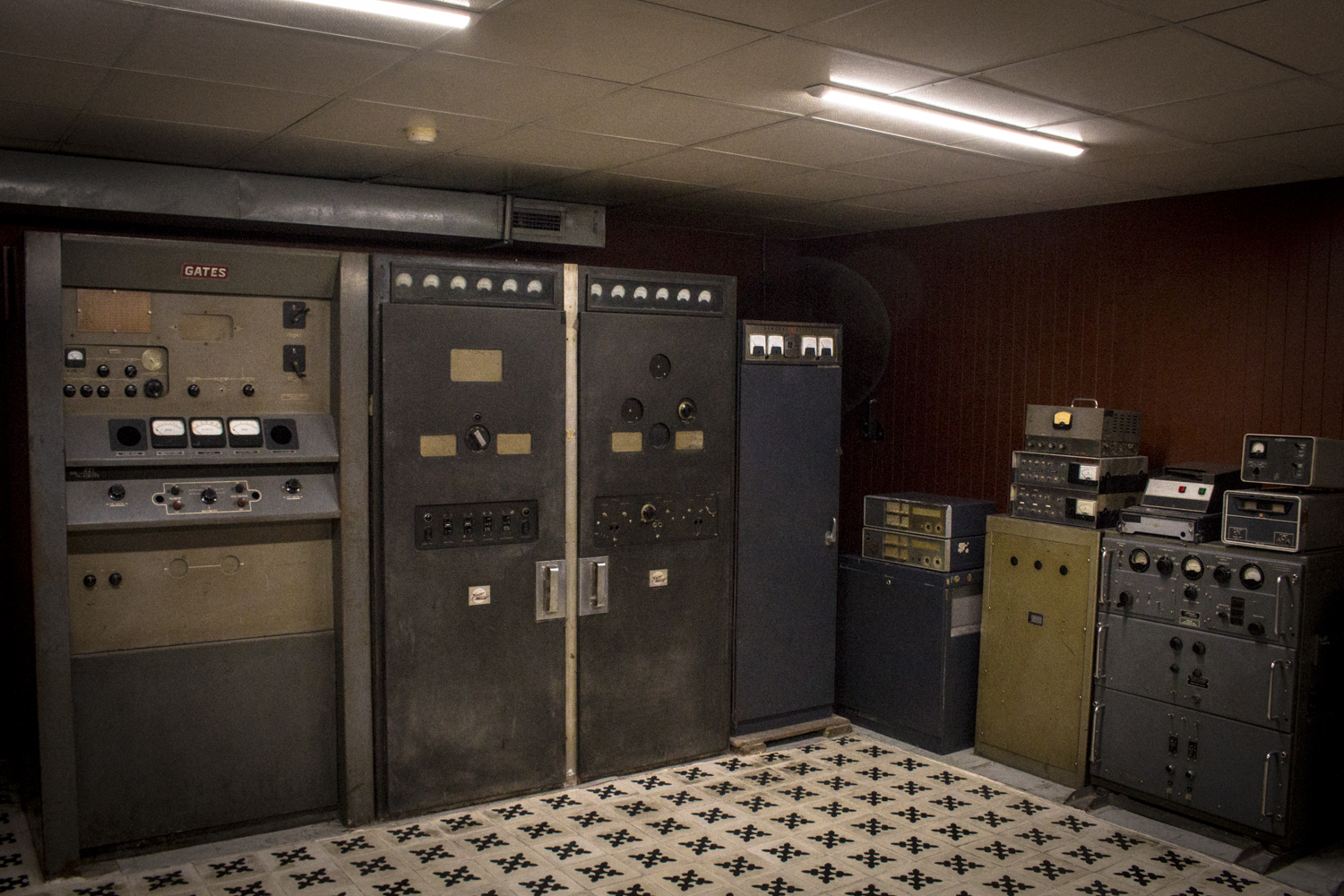
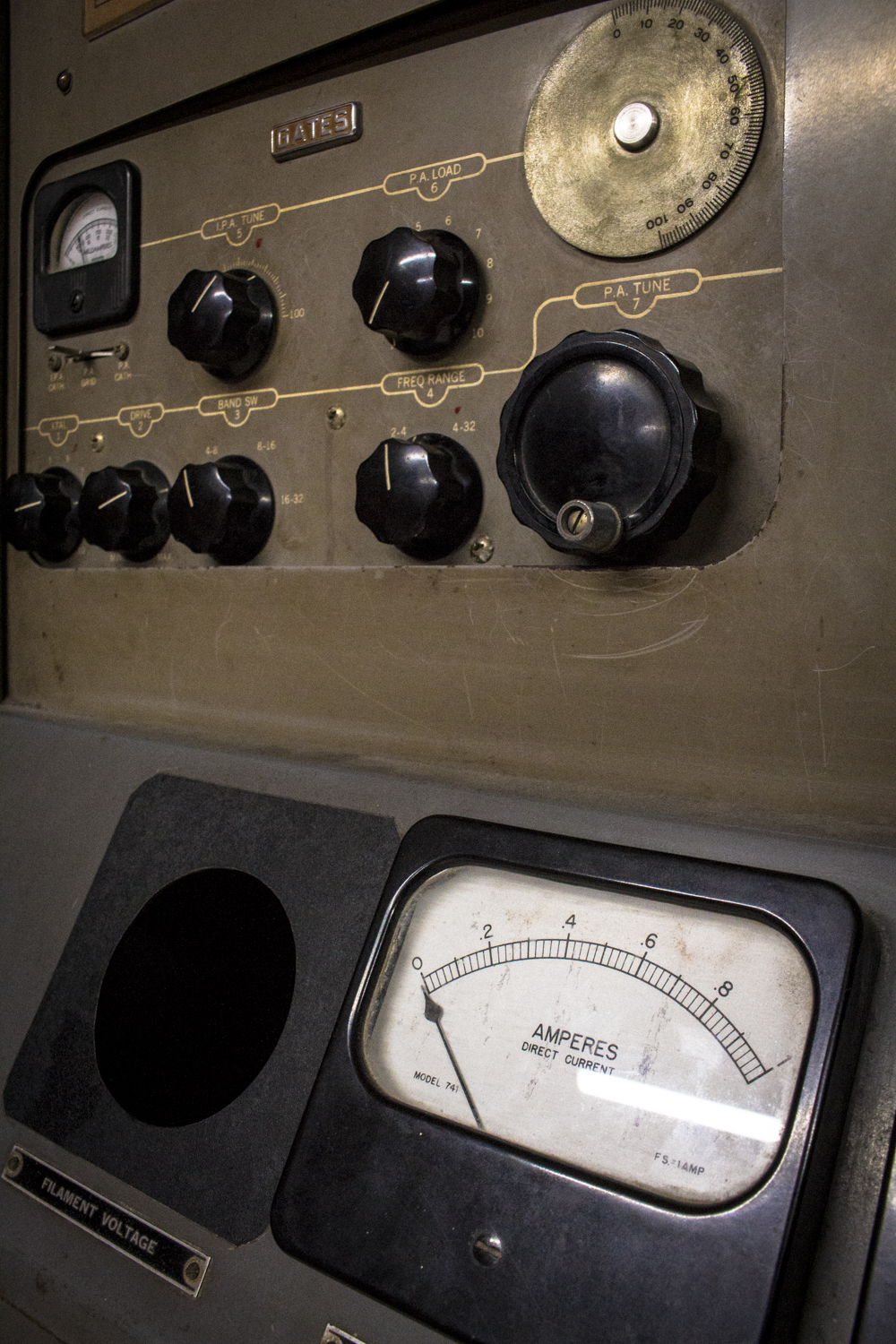
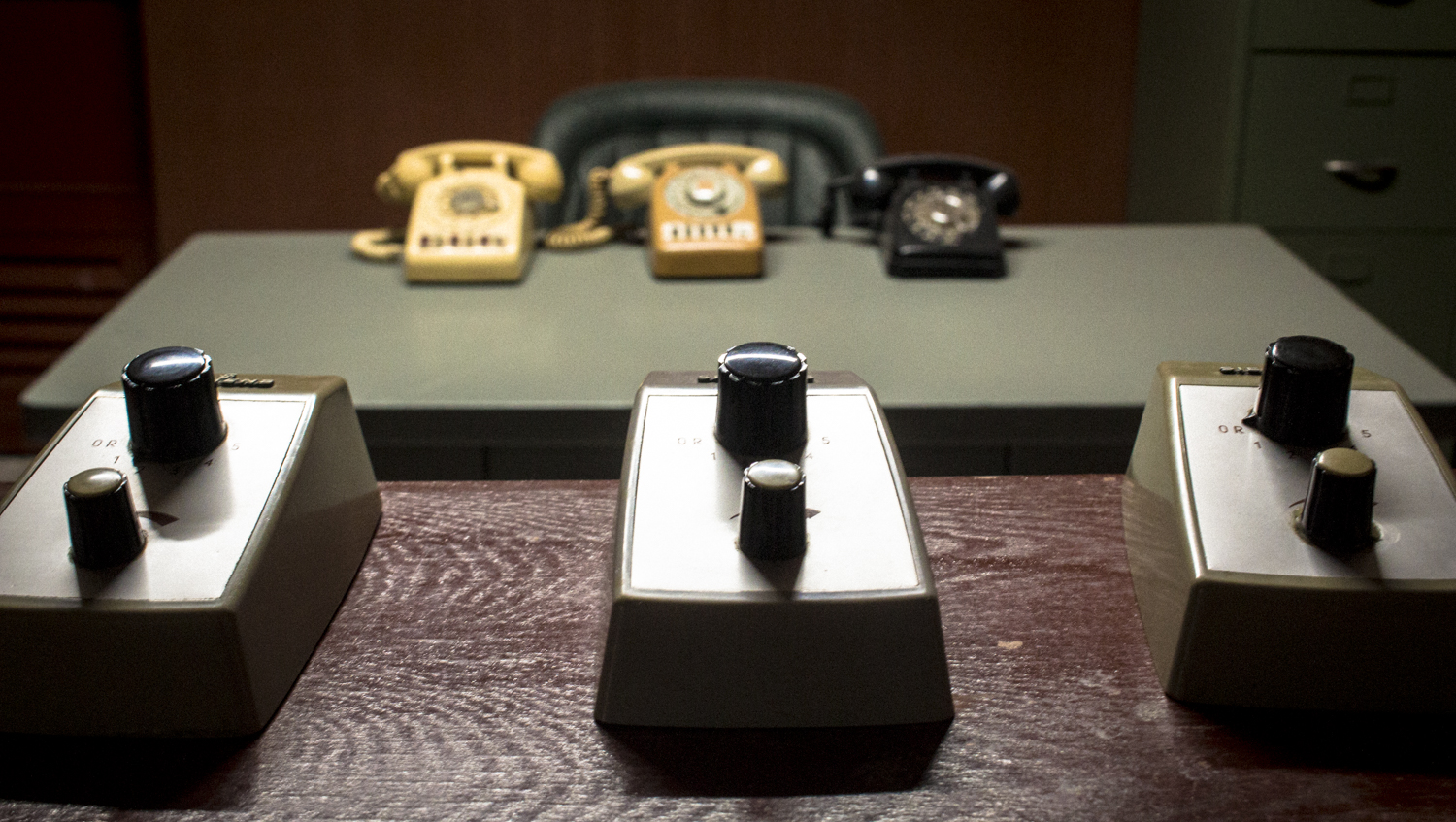
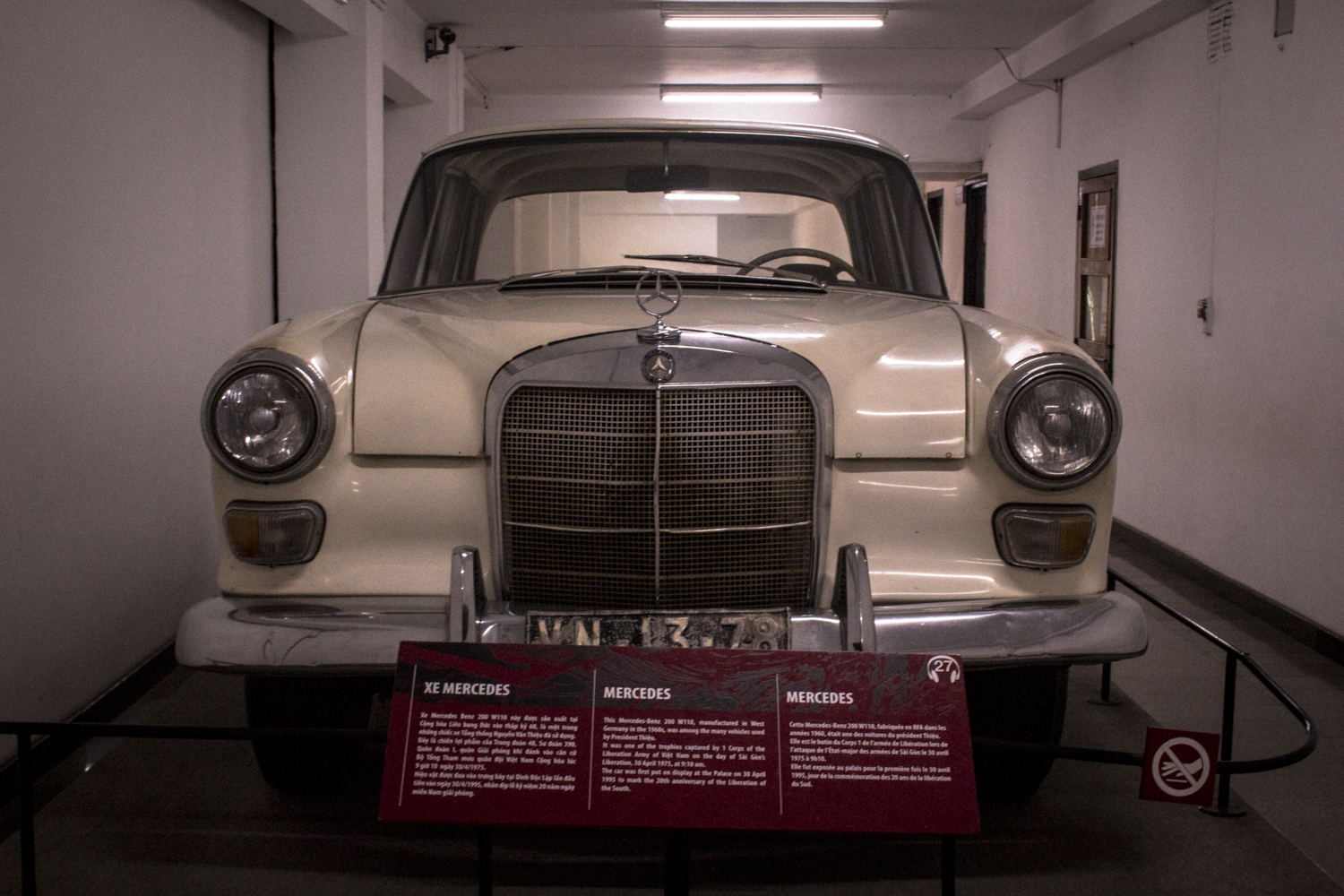
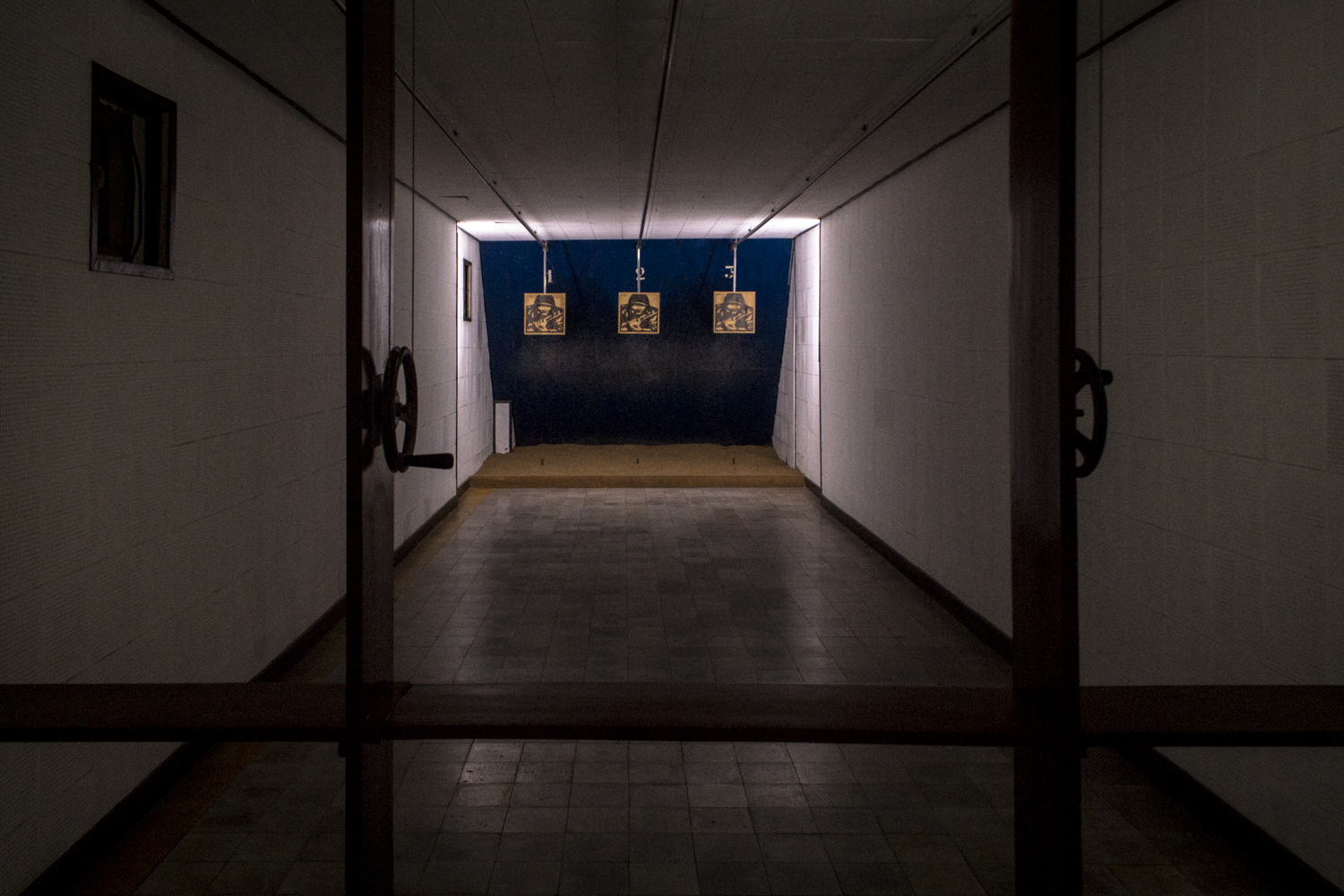
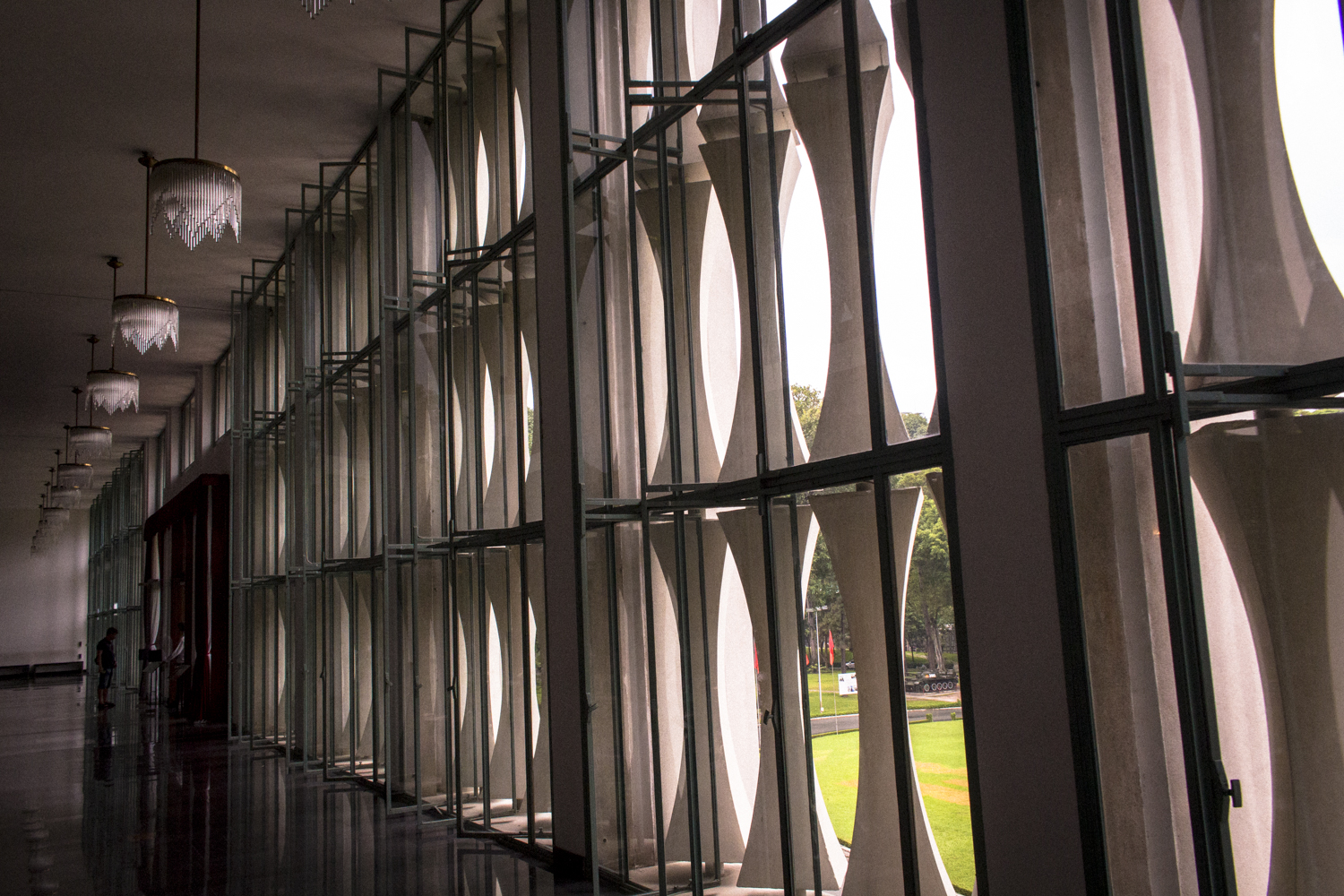
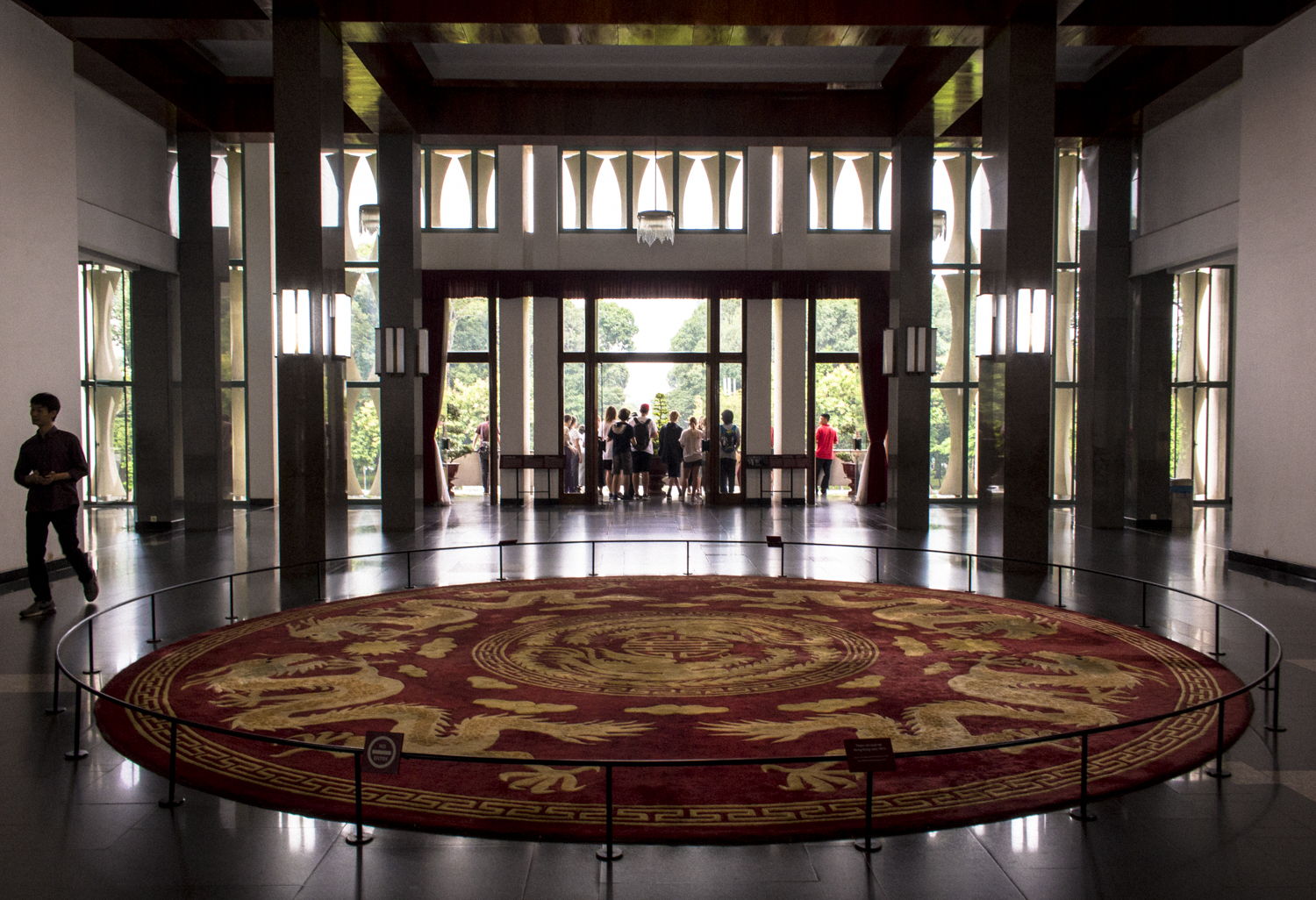
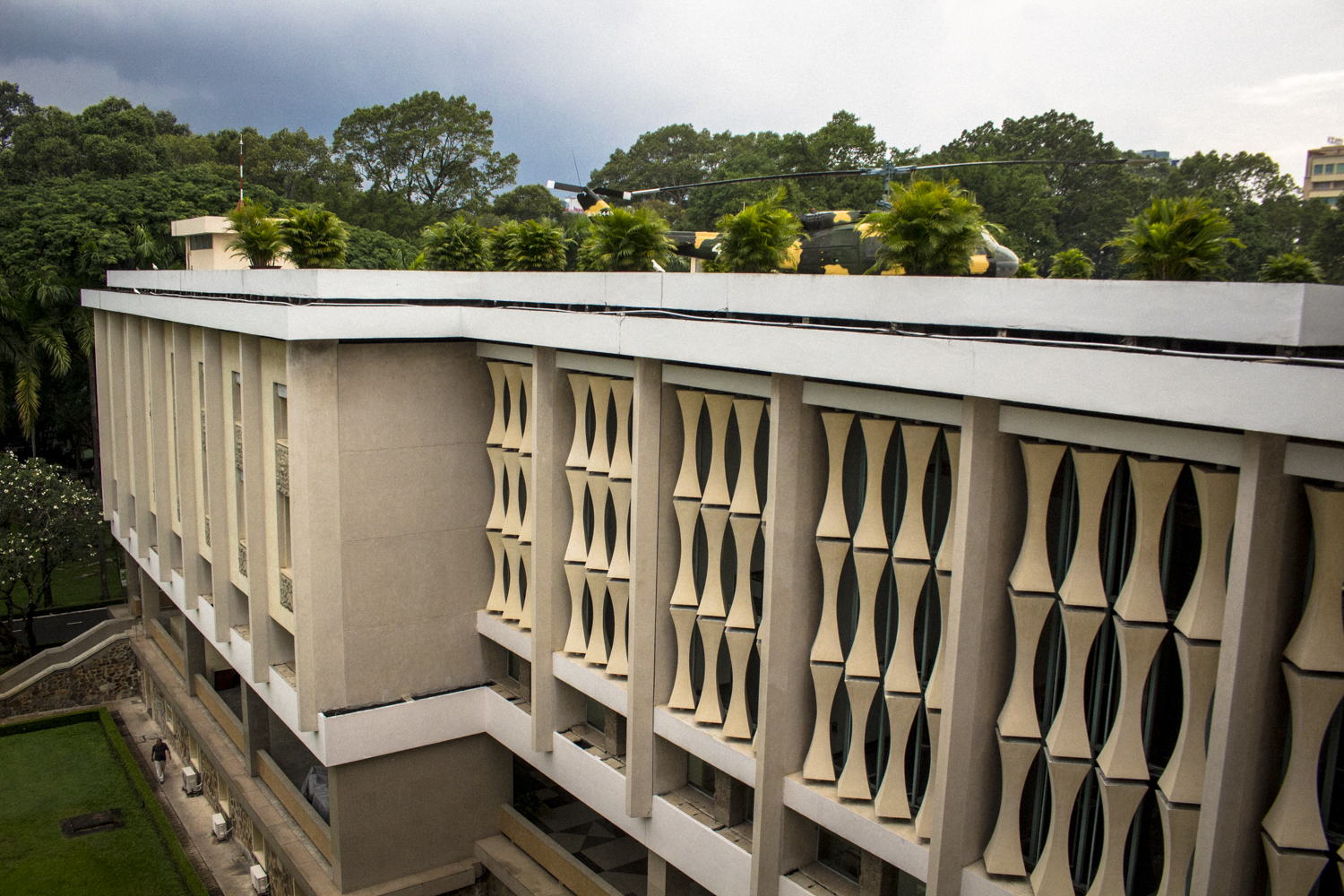
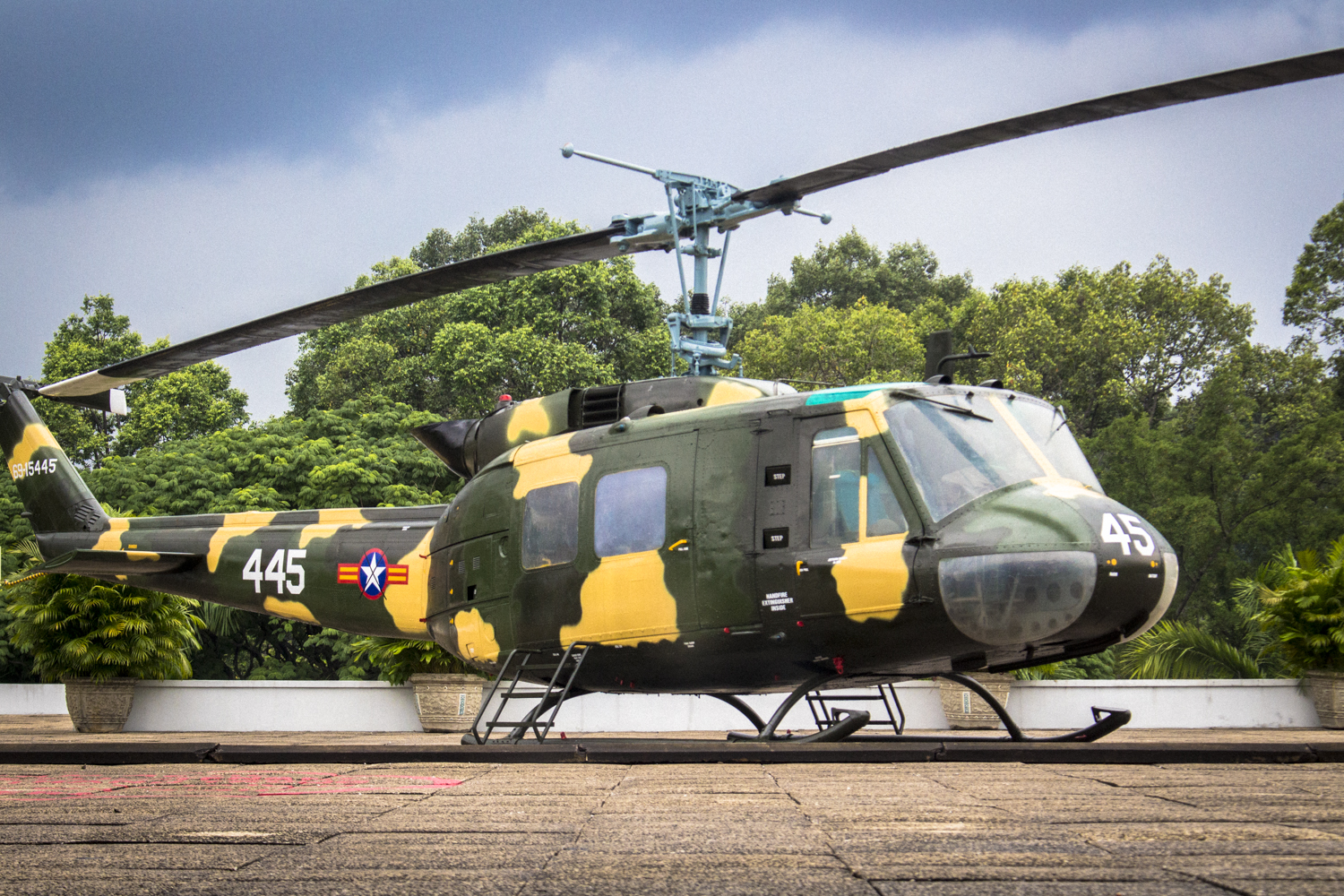
The War Remnants Museum had nothing favorable to say about French or American forces and shouldn’t be expected to. However one-sided you feel the presentation is, there’s plenty of horrific truth in the photographs on display here, from the battlefield to the post-war effects of chemical warfare. There are some hard images to look at. Reunification Palace is more an architectual snapshot than a political one. The former Independence Palace was a one-stop meeting-hall slash luxury-adode for South Vietnamese president Thieu. The designs and technologies of the day, especially the maze of communications and map rooms below ground are of a time well before now. One can imagine any one of those decades-old rotary telephones signalling trouble.







































 Colin Moore